Choosing the Best Beef Breeds for Self-Sufficient and Small-Scale Setups
Australia’s agricultural landscape is vast, but not everyone’s working with hundreds of hectares and thousand-head herds. More and more Australians are scaling things down — not just for affordability, but to build a life rooted in sustainability, independence, and close-to-home food production. Whether you’re running a small farm, managing a lifestyle block, or easing into a self-sufficient lifestyle, choosing the right cattle is one of the most practical and strategic decisions you’ll make.
And if space is limited, your options aren’t. There’s a rising interest in small cattle — compact, efficient, and suited to lower-maintenance operations. But not all breeds are created equal, and selecting the right one means balancing temperament, feed efficiency, meat quality, climate suitability, and long-term goals.
Let’s unpack how to think about cattle selection for small acreage and take a close look at the best beef cattle breeds suited to Australian conditions.
Why Go Small?
The Case for Small Cattle on Small Farms
Small cattle aren’t just about size — they’re about smarter, more adaptable farming. The appeal of smaller breeds or compact lines of traditional breeds lies in their efficiency: they require less land, less feed, and often less infrastructure. On smaller farms where pasture needs to be managed carefully, this can be a game-changer.
Here’s what makes small cattle an appealing choice:
- Better land-use efficiency: You don’t need massive paddocks to run a few animals comfortably and ethically.
- Lower feed inputs: Smaller animals eat less but can still yield surprisingly high-quality meat.
- Gentler on fencing and infrastructure: Smaller stature means less pressure on gates, fencing, and yards — often a forgotten cost when starting out.
- Safer handling: For beginner farmers or families with young kids, temperament matters. Many miniature or small-frame breeds are bred for docility.
- Shorter finishing periods: Many small cattle breeds reach maturity faster, meaning quicker turnaround if you’re raising them for beef.
But it’s not just about compact size — you’ll still need to manage them well, plan paddock rotations, supplement feed when pasture is thin, and provide shade and water. The difference is, small cattle make that process a lot more approachable for new or part-time farmers.
How Much Land Do You Need?
There’s no exact one-size-fits-all answer to this, but some general guidelines can help.
- A single standard-size cow typically requires 1.5 to 2 acres of good pasture in most Australian temperate zones.
- Miniature or small-frame cattle can comfortably graze on half to two-thirds of that, depending on rainfall, soil quality, and pasture species.
- For small acreage owners, running two to five head of cattle on 3 to 10 acres (with rotational grazing and supplementary feed) is a manageable entry point.
Of course, this is all dependent on good management practices. Overgrazing small paddocks can turn land into dust quickly — but with some planning and effort, even a modest farmlet can support a thriving micro-herd
What to Consider When Choosing Small Cattle
Before you get fixated on breed, consider how your cattle will fit into your broader farming goals. Are you looking for high-quality beef for the freezer? Wanting to sell direct to local markets? Looking for animals that can also help manage pasture, or integrate with chickens or pigs?
Here are a few practical questions to guide your choice:
- Climate suitability: Is the breed heat tolerant? Can it handle wet, dry, or frosty conditions?
- Temperament: Are they calm and manageable, especially if you’re doing the work yourself?
- Beef quality: Some breeds produce exceptionally marbled meat, others leaner carcasses — both have value, depending on your end use.
- Breeding and calving: Will you breed on-farm or just raise steers for meat? Some breeds are easier to calve and raise than others.
- Marketability: If you plan to sell meat or live animals, are there existing markets for the breed locally?
Best Small Cattle Breeds for Australian Small Farms
Now that we’ve covered the rationale behind going small and the land considerations, it’s time to take a closer look at the actual breeds. The good news? Australia’s cattle industry has embraced a range of breeds suited to smaller acreages, whether you’re after beef, temperament, hardiness, or all of the above.
1. Dexter Cattle
Dexters are often the go-to breed for small farms — and for good reason.
- Origin: Ireland
- Size: Mature cows average 300–350kg, bulls 400–500kg
- Meat: Lean, flavourful beef with good marbling
- Temperament: Generally quiet and docile
- Other benefits: Dual-purpose — also used for milk if needed
Dexters thrive on marginal pasture and are well-suited to hilly terrain or smaller paddocks. Their small size means they’re easier on your fencing and infrastructure, and they’re efficient grazers — ideal for regenerative systems or those looking to balance productivity with environmental care.

2. Lowline Cattle (Australian Lowline)
Originally developed in Australia from Angus stock, Lowlines are a success story in compact beef production.
- Origin: NSW Department of Agriculture research project
- Size: Cows average 350–400kg, bulls 450–600kg
- Meat: High-quality beef, excellent marbling
- Temperament: Extremely calm and manageable
- Other benefits: Naturally polled (no horns), early maturing
Lowlines are a particularly good option if you’re looking to sell beef direct to local customers or through farmers’ markets. The carcass size is ideal for households — not too big to store or handle, but still delivers premium cuts.
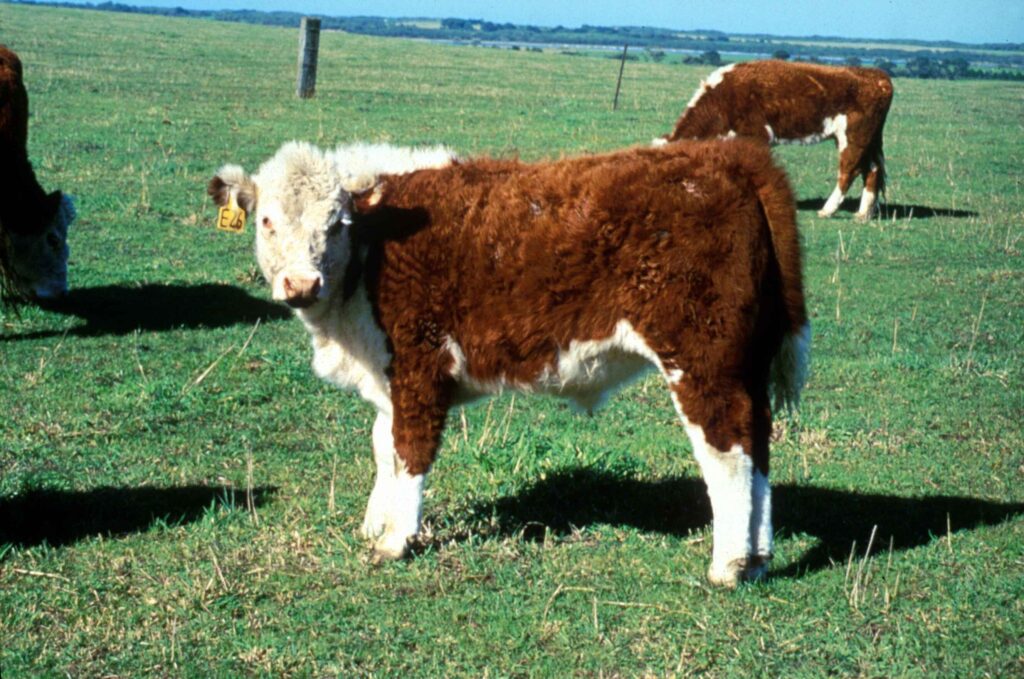
3. Miniature Hereford
A scaled-down version of the traditional Hereford, Miniature Herefords are gaining traction for small landholders seeking a balance of tradition and manageability.
- Origin: USA (developed from original Hereford lines)
- Size: Around 350–500kg fully grown
- Meat: Tender, mild-flavoured beef
- Temperament: Friendly and trainable
- Other benefits: Great for first-time cattle owners
They retain the iconic Hereford look and have similar grazing behaviours. Their smaller size makes them ideal for hobby farmers or those looking to keep a couple of steers for home kill each year.
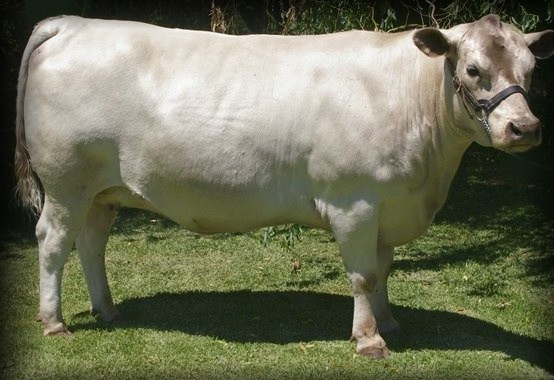
4. Square Meaters
Another Australian-developed breed, Square Meaters are compact but heavily muscled — bred for beef efficiency in smaller frames.
- Origin: NSW, from Murray Grey stock
- Size: Cows 400–500kg, bulls up to 700kg
- Meat: Excellent beef yield and carcass quality
- Temperament: Calm and low-maintenance
- Other benefits: Early maturing and feed efficient
These cattle are ideal if you’re serious about producing meat on small land without compromising on yield. Square Meaters have a great meat-to-bone ratio and perform well on pasture alone — ideal for systems with minimal supplementary feeding.
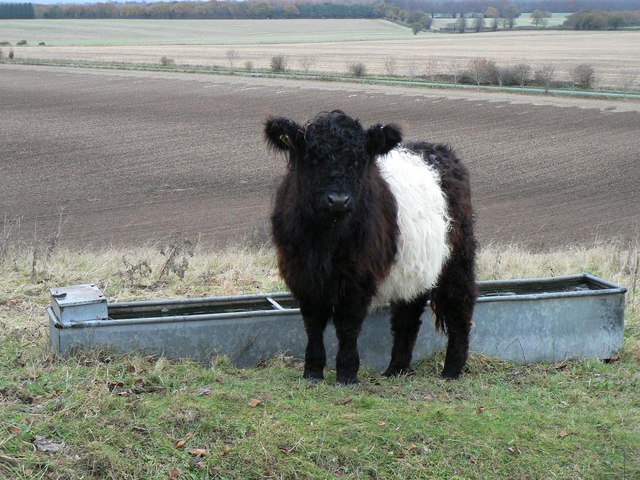
5. Miniature Belted Galloway
If you’re looking for something that blends charm with cold-climate hardiness, these are worth considering.
- Origin: Scotland
- Size: ~350–450kg
- Meat: Lean, flavourful beef with a distinct finish
- Temperament: Hardy, intelligent, but can be aloof
- Other benefits: Thick coats — no need for shelter in cold weather
Though less common in Australia, Mini Belties are gaining a niche following. Their striking appearance also makes them attractive for agritourism or as part of a diversified farming brand.
Comparing Small Cattle Breeds at a Glance
| Breed | Average Weight (Cows) | Meat Quality | Temperament | Climate Suitability | Notes |
| Dexter | 300–350kg | Lean, well-marbled | Calm, social | Adaptable | Dual-purpose (milk & beef) |
| Lowline | 350–400kg | Premium marbling | Very docile | Warm & temperate zones | Great for direct beef sales |
| Miniature Hereford | 350–500kg | Tender, mild | Friendly | Versatile | Popular with beginners |
| Square Meaters | 400–500kg | High-yield beef | Easy-going | Pasture-based systems | Strong commercial genetics |
| Mini Belted Galloway | 350–450kg | Distinct flavour | Intelligent | Suits colder regions | Striking looks, hardy in winter |
Matching Cattle to Your Land and Lifestyle
Choosing the right breed is only half the equation. Your land, infrastructure, time availability, and goals should shape which cattle will actually thrive — and how manageable the day-to-day care will be.
Stocking Rates and Rotational Grazing
Small acreage doesn’t mean you need to compromise on ethical grazing practices. In fact, the opposite is often true: limited space rewards intentional, low-impact management. In Australia, stocking rates vary depending on rainfall, pasture quality, and supplementary feeding, but here’s a basic starting point:
- High rainfall areas (e.g. coastal NSW, VIC): 1–2 head per 1.5 hectares (3–4 acres)
- Lower rainfall inland zones: 1 head per 4–6 hectares (10–15 acres)
Breeds like Dexter and Lowline are well-suited to tighter rotations. With systems like strip or cell grazing, you can optimise pasture use while promoting soil health. Portable electric fencing can help divide small paddocks and create movement without major infrastructure investment.
Tip: A single strand of electric wire is often enough for smaller breeds, particularly once trained.
Infrastructure Essentials
For first-time graziers, it’s best to start simple and scalable. You don’t need commercial yards and heavy-duty steel fencing — many small cattle breeds can be managed with minimal fuss, especially if handled regularly.
Here’s a practical starter checklist:
- Shelter: Shade and windbreaks (natural or constructed)
- Fencing: Stock-proof boundary and internal divisions (electric recommended for flexibility)
- Water: Troughs or dams with reliable access year-round — cattle need 40–100L per day depending on heat and lactation
- Handling setup: A small yard or crush system for vaccinations, worming, or hoof care
If you’re on acreage that’s undulating or has mixed vegetation, breeds like Belted Galloways and Dexters will navigate slopes and scrub with ease, while Lowlines prefer more open pasture.
Starting Small: How Many Cattle to Begin With?
Most smallholders begin with a couple of steers or a cow-calf pair. Steers are a great entry point — they’re easier to handle, require no breeding infrastructure, and can be raised purely for beef. A good rule of thumb is:
- Start with 2–3 animals, even if you plan on keeping more later. Cattle are herd animals and become stressed when kept alone.
- Buy weaners (~6–9 months old) from reputable breeders — these are young enough to adapt to new environments and old enough to manage with basic care.
Once you’re comfortable, you can expand into breeding, rotational grazing, and even value-adding your beef.
Managing Breeding on Small Acreage
If you do decide to breed, space and timing are key. A single cow and calf pair can be manageable, but adding a bull complicates things quickly — particularly if your land is limited. Alternatives include:
- AI (Artificial Insemination): Common in the dairy and beef sectors, with no need to keep a bull onsite
- Loaning or leasing a bull: For short periods only (though biosecurity becomes important)
- Joining nearby breeders: Co-op breeding groups can share costs and access to genetics
Keep in mind that calving requires planning — shelter, dry paddocks, and hands-on observation become more important during this time.
Feeding Small Cattle on Small Farms
Feeding is one of the most variable — and manageable — costs when it comes to raising cattle. Fortunately, small breeds eat less and are often more efficient grazers. But even on a small acreage, managing seasonal feed gaps is essential.
Year-Round Nutrition
Pasture should be the foundation of any cattle operation, but even the best-maintained block won’t produce evenly all year. Here’s a practical breakdown:
- Spring/Summer (growth season): Focus on rotational grazing to maximise regrowth and reduce overgrazing. Native grasses can be productive with good soil management, while improved pastures (rye, clover, phalaris) support higher weight gains.
- Autumn/Winter (dormant season): Supplement with hay, silage, or haylage. Consider storing surplus cut during peak seasons or purchasing in advance when prices are low.
How Much Do Small Cattle Eat?
As a ballpark:
- A Lowline or Dexter might consume 8–12kg of dry matter/day.
- Compare this to a full-sized Angus, which eats 15–20kg/day.
That might sound small, but over a year, feed planning can make or break your costs — especially in dry years.
Minerals and Health
Cattle need access to salt and minerals to maintain body function, fertility, and growth. On small farms, the easiest solution is:
- Free-choice loose minerals or lick blocks placed near water or feeding areas.
- Pay attention to region-specific deficiencies — for example, selenium, copper, or phosphorus levels can vary across Australia.
Regular health management includes:
- Worming: Every 6–12 months, depending on stocking pressure.
- Vaccinations: Common 5-in-1 vaccines for clostridial diseases.
- Hoof care: Especially in wet, muddy areas or if grazing softer ground long-term.
A good relationship with a local vet or livestock adviser will give you peace of mind — and make sure your cattle stay in peak condition.
Value-Adding and the Long-Term View
Small-scale cattle farming is more than just beef production — it can also be a source of community engagement, sustainability, and even local income.
Direct-to-Consumer Beef
Selling your own beef — either by the quarter, side, or whole animal — can offer a premium return compared to saleyard prices. You’ll need:
- Access to a licensed mobile or regional processor
- A strong local network (farmers’ markets, CSA models, co-ops)
- Clear communication around ethical raising, breed quality, and provenance
Example: A Dexter steer raised on pasture and sold in bulk to local buyers may return more per kilo than a commercial animal sent through traditional channels — with more control over pricing, timing, and process.
Land Health and Regeneration
Grazing cattle thoughtfully can improve your land over time. Key practices include:
- Resting paddocks to promote root recovery
- Integrating trees and shelterbelts for water retention and habitat
- Composting manure or integrating with other farm animals (e.g., chickens to scratch dung pats and reduce parasites)
Cattle aren’t just productive — they’re dynamic tools for improving soil and stewarding your property long-term.
Is Small Cattle Farming Right for You?
Raising small cattle on small acreage is entirely achievable — and increasingly popular among those pursuing a self-sufficient or regenerative lifestyle. Whether you’re in it for the meat, the challenge, or simply the rhythm of working the land, choosing the right breed and starting with a sustainable setup is your best path forward.
As with all things farming: start small, learn deeply, and scale only when the land — and your confidence — says it’s time.

