
Parasites cost Australian livestock producers millions annually through reduced weight gain, lost milk production, hide damage, and disease transmission. Cattle ticks alone cost the industry an estimated $134.2 million per year in lost production and treatment costs, whilst flystrike remains one of the most significant welfare and economic challenges for sheep producers.
This guide explains how to select and use tick and fly control products effectively. Rather than recommending specific brands that may become outdated or unavailable, we focus on treatment categories, active ingredients, application methods, and resistance management strategies. For current product recommendations, always consult the APVMA Public Chemical Registration Information System (PubCRIS), TickBoss, and FlyBoss resources maintained by Australian researchers and regulators.
Important disclaimer: This guide provides general information only and is not veterinary advice. Always read product labels, follow withholding periods, and consult your veterinarian or livestock adviser for treatment recommendations specific to your property and livestock. Chemical resistance patterns vary by region; test for resistance and check local advisory services before selecting products.
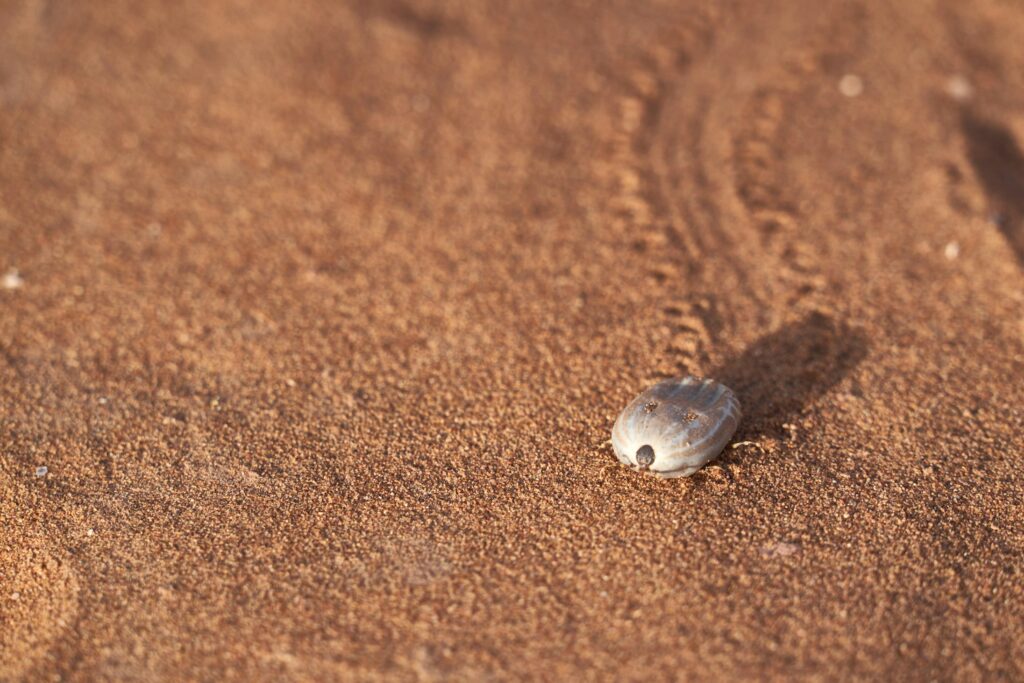
Understanding Cattle Ticks and Sheep Parasites
Cattle Tick (Rhipicephalus australis)
Cattle ticks are found in Queensland’s cattle tick infested zone between the coastal areas east of the Great Dividing Range and north of the Great Northern Rail line, northern areas of Western Australia and Northern Territory, and occasionally through the Northern Rivers Region of New South Wales. The cattle tick is a single-host species, spending approximately 21 days on the animal progressing through larval, nymphal, and adult stages before engorged females drop off to lay up to 3,000 eggs.
Cattle ticks cause substantial welfare implications and economic losses from tick worry, anaemia, lethargy, lack of appetite, and can ultimately result in death. Just one tick can reduce weight gain by 1 gram per head per day or milk production by 8.9 millilitres per head per day. The cumulative effect across a herd becomes economically significant very quickly.
Cattle ticks are vectors of three blood-borne diseases – Anaplasma marginale (anaplasmosis), Babesia bovis and Babesia bigemina (babesiosis or ‘red water’) – collectively known as ‘tick fever’. These diseases cause additional production losses and mortality beyond the direct effects of tick infestation.
Bush Tick (Haemaphysalis longicornis) and Theileriosis
The bush tick is a ‘three-host’ tick, meaning it drops off the host every time it moults and must find three different hosts to complete its life cycle. Nymph ticks live on pastures over winter, then look for hosts in spring. Adult ticks are seen on cattle in summer.
Bush ticks transmit Theileria orientalis, which started causing deaths and disease outbreaks in cattle around 2006 on the NSW north coast and has since spread to all parts of the NSW coast, Victoria, Queensland, WA, SA, and New Zealand. Bush ticks are very small and difficult to detect, often only visible on cattle for about 14 days of their entire 9-12 month life cycle.
Paralysis Tick (Ixodes holocyclus)
The Paralysis Tick occurs along the eastern seaboard from Cape York to Lakes Entrance in Victoria, found in damp, humid, bushy areas. It is responsible for 95% of human tick bites in eastern Australia. Young cattle and goats in coastal areas of eastern Australia may be affected by paralysis ticks, which secrete a toxin causing paralysis. Small animals are more vulnerable than fully grown cattle.
Sheep Blowfly (Lucilia cuprina)
The Australian sheep blowfly is the primary fly species responsible for initiating flystrike in sheep in Australia. Female flies lay eggs in moist wool after a protein meal and mating. After hatching, fly larvae moult through three larval stages (maggots) and eventually leave the sheep to pupate in soil. The entire life cycle can be completed in 2.5–3 weeks.
Flystrike causes severe pain, tissue damage, infections, weight loss, reduced wool quality, and death if untreated. The condition costs the Australian sheep industry millions annually in lost productivity, treatment, and prevention costs.
Buffalo Fly (Haematobia irritans exigua)
Buffalo flies are blood-sucking flies approximately 3-4 millimetres long causing severe irritation in cattle. They affect weight gain, milk production, and hide value. Buffalo flies remain one of the primary external parasite challenges for cattle producers in northern Australia.
How Cattle Tick and Fly Treatments Work
Understanding treatment categories and their mechanisms helps producers select appropriate products and manage resistance effectively.
Cattle Tick Treatment Application Methods
Pour-on treatments: Liquid formulations applied along the animal’s backline. The active ingredient spreads across the skin through natural oils, providing systemic or topical protection depending on the chemical class. Pour-ons offer convenient application without requiring extensive handling facilities.
Injectable treatments: Administered subcutaneously or intramuscularly. Systemic products enter the bloodstream and kill parasites when they feed on the animal. Injectables provide longer-lasting protection but require proper injection technique and attention to withholding periods.
Spray and dip applications: Animals are sprayed or immersed in chemical solution, providing thorough coverage. Dipping provides excellent coverage but requires significant infrastructure investment. Spraying is more practical for smaller operations but may provide less complete coverage than dipping.
Ear tags: Slow-release insecticidal tags attached to the ear provide long-term protection (typically 3-4 months) against buffalo flies and some other external parasites. Tags release small daily doses of chemical, therefore are not absorbed into meat or milk, and most ear tags have nil meat and milk withholding periods.
Spray-on products for sheep: Applied undiluted along the backline and breech areas of sheep. Unlike lice backline treatments, flystrike spray-ons do NOT spread and provide protection beyond where they are applied. Thorough coverage of vulnerable areas is essential.
Chemical Classes and Active Ingredients
Macrocyclic lactones (ivermectin, moxidectin, abamectin, doramectin): Systemic products that paralyse and kill parasites by interfering with nerve transmission. Effective against cattle ticks, some lice, and internal parasites. Long-acting formulations can provide protection for 60-100+ days. No widespread resistance has been detected in Australian buffalo fly populations to macrocyclic lactones in ear tags.
Synthetic pyrethroids: Topical insecticides providing rapid knockdown of external parasites. Resistance to synthetic pyrethroids is widespread in buffalo flies in Australia. Synthetic pyrethroids remain useful in rotation programs in areas where resistance has not developed or when used strategically.
Organophosphates (diazinon, coumaphos, chlorfenvinphos): Nerve toxins effective against ticks and flies. Resistance to organophosphates occurs in some areas of Australia. Used in spray-on, dip, and ear tag formulations.
Amitraz: An acaricide specifically targeting ticks and mites. Widely used for cattle tick control, particularly in dip formulations. Resistance to these chemicals is widespread in Queensland but not in WA or NT – consult local authorities for regional resistance status.
Insect growth regulators – Dicyclanil and Cyromazine: Dicyclanil is a potent insect growth regulator that interrupts the lifecycle of blowflies, preventing emerging larvae from moulting into damaging second stage maggots. CLiK products provide protection against blowfly strike caused by dicyclanil-susceptible strains for 18-29 weeks depending on formulation. Note that widespread resistance to cyromazine and dicyclanil may reduce the protection period of these products.
Spinosad: A natural insecticide offering good efficacy against blowflies with a low risk of resistance. Used in treatment products for active flystrike.
Resistance Management Principles
Parasite resistance to chemicals develops through repeated exposure to the same active ingredients. Resistance management is critical for maintaining treatment effectiveness.
To reduce selection for resistance when using ear tags, use tags containing different chemical groups in different years. Use a synthetic pyrethroid one year, an organophosphate tag the next year, and an abamectin tag in the third year. Remove tags once the protection period on the label has expired to avoid exposing flies to sub-lethal concentrations.
For cattle ticks, check local advisers or do a resistance test to know resistance status of different products. Submit ticks to Queensland Biosecurity for tick resistance testing on a regular (semi-annual) basis.
Resistance management requires:
- Rotating between different chemical classes annually
- Using correct dose rates and application methods
- Completing full treatment courses
- Removing ear tags after the protection period expires
- Testing for resistance regularly
- Avoiding overuse of long-acting treatments
- Integrating non-chemical control methods
Strategic Cattle Tick Control
Effective tick control balances chemical treatments with biological and management strategies.
Treatment Timing
In winter, particularly in southern inland regions where frosts occur, there aren’t many ticks on cattle but there are a lot of eggs and larvae on the ground, waiting for warm weather to hatch. Once the weather warms up, successive waves of ticks infest cattle, which is known as ‘the spring rise’.
Treating cattle at three-week intervals from the beginning of September breaks the waves of tick reproduction and stops larvae infesting paddocks for other cattle. A final treatment in autumn tidies up any ticks that could lay eggs surviving through winter.
Strategic timing targets vulnerable points in the tick lifecycle:
- Spring treatments: Applied before or during the spring rise to prevent population explosion
- Tactical summer/autumn treatments: Applied when tick numbers reach threshold levels to reduce pasture contamination
- Autumn clean-up: Final treatment to reduce overwintering egg production
Thresholds and Monitoring
Treatments should be planned for when tick numbers reach critical threshold numbers for your herd, especially important for susceptible cattle such as calves, bulls, and Bos taurus herds including crossbred animals.
Monitor cattle regularly during tick season. Check vulnerable areas including neck, brisket, belly, and udder. Record tick numbers and treatment dates to track patterns and evaluate treatment effectiveness.
Non-Chemical Control Methods
Genetics: Producers are encouraged to seek genetics from tick-resistant cattle. It has been estimated that selection of the right genetics could reduce the effect of ticks on live weight production by 60%. Bos indicus breeds and their crosses show greater natural resistance than British breeds.
Vaccination: Vaccinate all calves with tick fever vaccine once at 3-9 months old. Vaccination provides lifelong immunity against tick fever diseases, reducing disease risk even when ticks are present.
Pasture management: Rotational grazing, making hay, or pasture spelling give ticks time to die out before new cattle arrive. Treating cattle then moving them to fresh paddock minimises ticks that could potentially seed pastures with larvae.
Strategic Sheep Flystrike Control
Flystrike prevention requires strategic timing, thorough application, and integrated management.
Treatment Timing Strategies
Optimum fly control depends on farm management practices. Integrating early or late season treatment with shearing and crutching during spring, early summer and autumn reduces susceptibility to flystrike and contributes to reducing fly numbers.
Early season strategic treatment: Australian research confirms that early season treatment can reduce the build-up of the blowfly population and reduce the risk of blowfly strike later in the season. Applied before fly season begins or at its onset, early season treatments prevent population establishment.
Late season treatment: Protects sheep through peak fly risk periods and prevents flies from laying eggs that overwinter and emerge in spring. In years with a late or delayed start to fly season due to seasonal conditions, late season treatment is even more crucial.
Application Best Practices
It is essential to follow label instructions regarding dose rate and target area on the sheep. The aim is to achieve total coverage of areas needing protection. Fan nozzles can deliver at least 15 centimetre-wide spray bands with each pass if held 20-25 centimetres above the wool.
For spray-on products:
- Apply consistently over full body length from poll to tail along the back
- Apply equally along each side of the spine exactly as specified on label
- Add breech bands for additional protection in high-risk areas
- Do not use on struck sheep or sheep with soiled crutches
- Lightly crutch daggy sheep to remove faecal material before treatment
Integrated Flystrike Management
Breeding: Select for sheep with lower flystrike susceptibility using Australian Sheep Breeding Values. Plain-bodied sheep with less wool around breech, minimal skin wrinkles, and shorter tails reduce flystrike risk.
Husbandry: Regular crutching, strategic shearing timing, mulesing or alternative procedures, and management to prevent scouring in young sheep all reduce flystrike susceptibility.
Monitoring: Regular inspection during high-risk periods enables early detection and treatment of struck sheep before severe damage occurs.
Nutrition and health: Well-nourished sheep in good body condition cope better with parasites and recover faster from strikes. Preventing scouring reduces breech soiling and fly attraction.
Buffalo Fly Control for Cattle
Buffalo flies cause continuous irritation, blood loss, and stress in northern Australian cattle herds.
Treatment Options and Rotation
Most insecticidal ear tags provide 3-4 months protection against buffalo flies. Because long-term protection increases selection for resistance, it is particularly important to implement resistance management programs when using ear tags.
Buffalo fly control products include:
- Ear tags: Convenient long-term protection with various chemical classes available for rotation
- Pour-on treatments: Quick knockdown for immediate relief or when tags have expired
- Spray treatments: Practical for smaller herds or when intensive treatment is needed
- Back rubbers: Self-application systems allowing cattle to treat themselves
Resistance Management for Buffalo Fly
In Australia, resistance to synthetic pyrethroids is widespread, resistance to organophosphates occurs in some areas, and no resistance has been found to macrocyclic lactones.
Effective resistance management requires:
- Annual rotation between chemical classes
- Timing tag application to protect cattle through main fly period
- Removing tags after protection period expires (typically 4 months)
- Using spray or pour-on from different chemical group if early season or post-tag treatment needed
- Monitoring for treatment failure and adjusting strategy accordingly
Cattle Tick Treatment Safety, Withholding Periods, and Record Keeping
Withholding Periods
All livestock treatments have legally mandated withholding periods before animals can be slaughtered for human consumption or milk can be sold. Export slaughter intervals (ESI) may be longer than domestic meat withholding periods (WHP).
Always:
- Read product labels carefully before use
- Record treatment dates and products used
- Calculate withholding periods before sale or slaughter
- Verify ESI requirements for export markets
- Keep treatment records for traceability and compliance
Cattle Tick Treatment Safety Considerations
Personal protective equipment: Wear appropriate gloves, eye protection, and protective clothing when mixing and applying chemicals. Follow label safety directions.
Environmental protection: Prevent chemical runoff into waterways. Dispose of empty containers according to regulations. Be aware of risks to non-target species including dung beetles, native wildlife, and aquatic organisms.
Application technique: Use correct dose rates and application methods. Under-dosing contributes to resistance development whilst over-dosing wastes money and may cause adverse effects.
Cattle Tick Treatment Record Keeping
Maintain comprehensive treatment records including:
- Date of treatment
- Product name and active ingredient
- Dose rate and total amount used
- Number of animals treated
- Animal identification (mobs or individuals)
- Withholding period expiry date
- Person who administered treatment
- Any adverse reactions observed
Good records support resistance monitoring, regulatory compliance, property sales, and treatment effectiveness evaluation.
Choosing the Right Cattle Tick Treatment Approach
Selection criteria for tick and fly treatments include:
Property factors:
- Regional parasite resistance patterns
- Climate and season length
- Property infrastructure (yards, race, crush)
- Water availability for mixing chemicals
- Labour availability for application
Animal factors:
- Species (cattle vs sheep)
- Breed and parasite susceptibility
- Age and production stage
- Current parasite burden
- Previous treatment history
Economic factors:
- Treatment cost per head
- Labour and equipment costs
- Expected production improvement
- Duration of protection
- Market requirements and withholding periods
Management factors:
- Integration with other husbandry activities
- Timing relative to seasonal parasite risk
- Compatibility with organic or natural production systems
- Record keeping and compliance requirements
Where to Find Current Cattle Tick Treatment Product Information
Chemical product registrations, availability, and recommendations change regularly. For current, verified information:
APVMA PubCRIS: Official registry of all agricultural and veterinary chemicals approved for use in Australia. Search by active ingredient, pest, or product name.
TickBoss: Comprehensive resource maintained by Meat & Livestock Australia and research institutions covering cattle tick biology, monitoring, treatment options, and resistance management.
FlyBoss: Detailed information on buffalo fly and sheep blowfly control including treatment comparisons, application methods, and integrated management strategies.
State biosecurity departments:
- Biosecurity Queensland: Cattle tick regulations, testing services, and regional advice
- NSW DPI Animal Biosecurity: Tick and fly control resources, compliance information
- Other state departments provide regional guidance and regulatory information
Local livestock advisers and veterinarians: Provide property-specific recommendations based on local resistance patterns, seasonal conditions, and individual enterprise requirements.
Summary
Effective parasite control for cattle and sheep requires understanding parasite biology, selecting appropriate treatment methods, managing chemical resistance, and integrating non-chemical strategies.
Key principles for successful parasite management:
- Monitor regularly and treat strategically based on parasite lifecycle and seasonal patterns
- Rotate between chemical classes annually to manage resistance
- Use correct dose rates and application methods as per label directions
- Combine chemical treatments with genetic selection, vaccination, and management practices
- Maintain detailed treatment records for compliance and effectiveness evaluation
- Test for chemical resistance regularly and adjust strategy accordingly
- Consult current authoritative sources for product recommendations and regional advice
Parasite control represents a significant ongoing investment for livestock producers. Strategic, well-timed treatments informed by current research and local conditions deliver better animal welfare outcomes and economic returns than reactive, inconsistent approaches.
This guide provides general principles applicable across Australian livestock regions. For specific product recommendations, current resistance status, and property-specific advice, always consult the authoritative resources listed above and your veterinarian or livestock adviser.
Final reminder: This article provides general information only and is not veterinary, agricultural, or chemical advice. Product registrations, chemical resistance patterns, and best practice recommendations change over time. Always verify current information with official sources before selecting and applying any livestock parasite treatments.

