
Freshwater Fish Farming for Self-Sufficiency
Freshwater fish farming is an excellent way to achieve self-sufficiency, providing a reliable source of protein, income, and ecological benefits. With Australia’s diverse climates and extensive freshwater systems, aquaculture can be adapted to various conditions, making it a viable option for both homesteads and commercial enterprises.
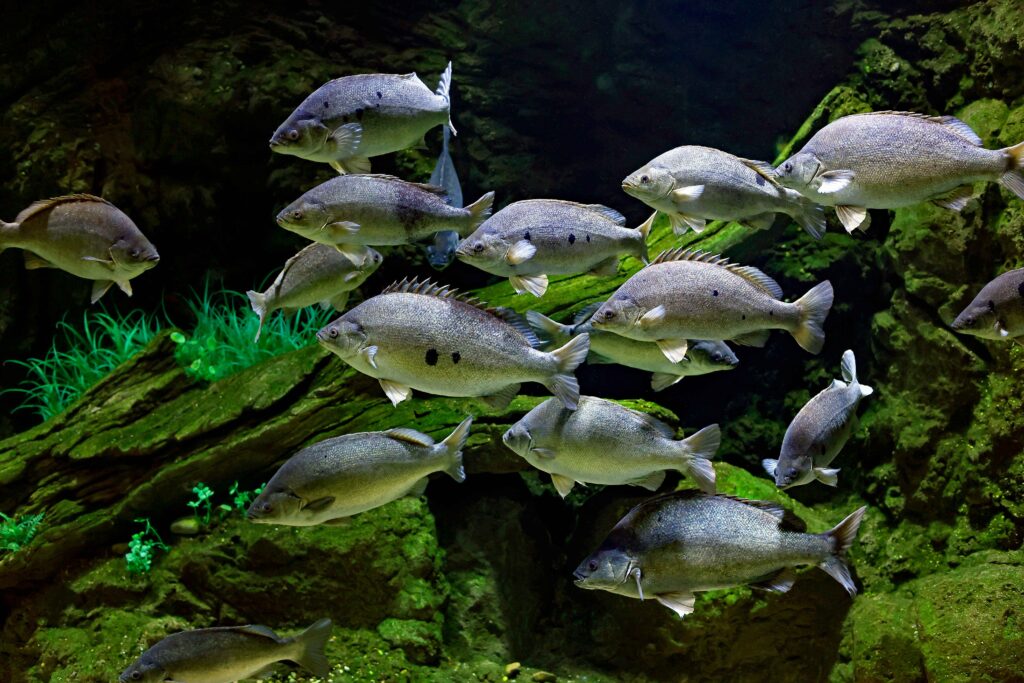
Why Freshwater Fish Farming?
Raising freshwater fish offers several advantages:
- Sustainable Protein Source – Fish are a high-quality protein source with essential omega-3 fatty acids.
- Low Environmental Impact – Compared to livestock, fish farming requires less land and feed.
- Income Generation – Surplus fish can be sold to local markets, restaurants, or private buyers.
- Water Management – Integrated aquaculture can improve water quality and be used alongside hydroponics (aquaponics).
- Pest Control – Certain fish species help control mosquito populations and invasive aquatic plants.
Best Freshwater Fish for Australian Aquaculture
Choosing the right fish species depends on your climate, water source, and intended use. Here are some of the most commonly farmed freshwater fish in Australia:
1. Barramundi (Lates calcarifer)
- Ideal for warmer regions like northern Queensland and the Northern Territory.
- Fast-growing and highly profitable for commercial or personal use.
- Requires high-protein feed and controlled water temperatures.
2. Silver Perch (Bidyanus bidyanus)
- Well-suited to most Australian climates, especially in New South Wales and Victoria.
- Hardy species that thrive in farm dams and aquaponics systems.
- Excellent for human consumption with a mild flavour.
3. Murray Cod (Maccullochella peelii)
- Native to the Murray-Darling Basin and well-adapted to temperate conditions.
- Requires larger water bodies and good management to reach maturity.
- High market demand due to premium meat quality.
4. Jade Perch (Scortum barcoo)
- Excellent for warmer climates, particularly in Queensland and northern New South Wales.
- Extremely high in omega-3, making it a nutritious choice.
- Hardy fish that tolerates varying water conditions.
5. Rainbow Trout (Oncorhynchus mykiss)
- Best suited for cooler regions such as Tasmania and highland areas in Victoria and New South Wales.
- Requires clean, well-oxygenated water with consistent low temperatures.
- Popular for both personal consumption and recreational fishing.
Setting Up a Freshwater Fish Farm
1. Water Source & Quality
- Dams, ponds, tanks, or recirculating systems can all be used for freshwater fish farming.
- Water quality must be monitored for pH levels (6.5-8.0), dissolved oxygen, ammonia, and nitrate levels.
- Some species require aeration and filtration systems to maintain optimal conditions.
2. Shelter & Equipment
- Ponds should be lined with clay or synthetic materials to prevent seepage.
- Tanks should be UV-resistant and have proper filtration and aeration.
- Nets and fencing may be needed to protect against predators such as birds and invasive fish species.
3. Food & Nutrition
- Pelleted commercial feed is commonly used for species like barramundi and perch.
- Some species, such as silver perch, can be supplemented with natural food sources like aquatic plants and insects.
- Feeding schedules should align with fish growth stages to prevent overfeeding and water contamination.
4. Space Requirements
- Stocking densities vary by species but typically range from 5-20kg per cubic metre in intensive systems.
- Larger fish require more space, while smaller species can be kept at higher densities.
Feeding and Nutrition
Providing the right nutrition is crucial for the health and growth of farmed freshwater fish. Fish diets vary by species, but most require a mix of protein, fats, vitamins, and minerals. Some common feeding strategies include:
- Pelleted Feed: High-quality commercial pellets are formulated to provide balanced nutrition. They are commonly used for species like barramundi and silver perch.
- Live Feed: Species such as eels or Murray cod benefit from live feed, such as worms or small fish, to mimic their natural diet.
- Supplementary Feeding: For extensive systems, supplementing with farm-grown vegetation, such as duckweed, can help reduce costs.
Feeding schedules and quantities depend on the fish species, growth stage, and temperature. Overfeeding can lead to poor water quality, so monitoring intake is essential.
Water Quality Management
Maintaining optimal water quality is one of the most critical factors in freshwater fish farming. Important water quality parameters include:
- Oxygen Levels: Aeration may be required in densely stocked ponds or tanks to maintain adequate oxygen levels.
- pH Balance: Most freshwater fish thrive in a pH range of 6.5 to 8.0.
- Ammonia and Nitrite Levels: High levels of waste accumulation can be toxic; biological filtration or regular water changes help maintain balance.
- Temperature Control: Depending on the species, water temperatures should be monitored and adjusted where possible. For example, barramundi require warmer temperatures (above 25°C), while trout thrive in cooler waters.
Harvesting and Processing
Harvesting methods depend on the fish species and farming setup. Some common methods include:
- Seine Nets: Used in pond systems to catch large quantities of fish efficiently.
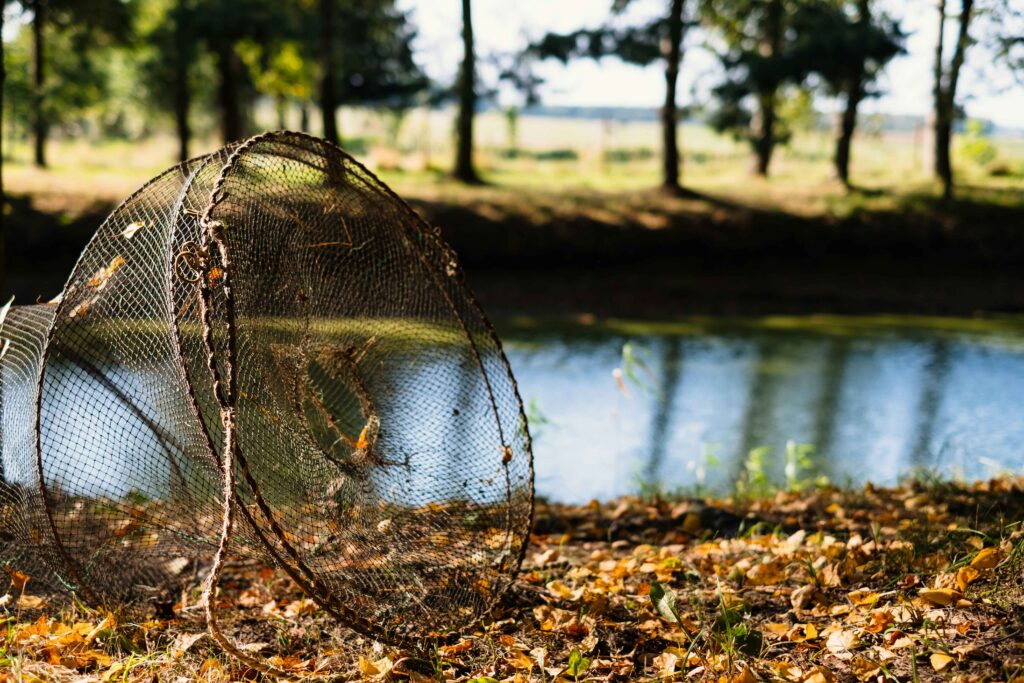
- Traps and Baskets: Suitable for smaller-scale or extensive farming operations.
- Hand Harvesting: Used in tank-based systems or when handling delicate species.
Once harvested, fish can be processed on-site or sent to market. Processing may involve cleaning, filleting, and packaging, depending on whether the fish is being sold fresh, frozen, or smoked.
Selling and Market Considerations
For those looking to sell their farmed freshwater fish, understanding market dynamics is crucial. Key considerations include:
- Local Markets: Many Australian consumers prefer locally farmed fish. Farmers’ markets and direct-to-consumer sales can be profitable.
- Wholesale and Restaurants: Supplying to seafood wholesalers or restaurants can provide consistent income.
- Export Potential: Certain high-value species, such as Murray cod, have growing export markets, particularly in Asia.
- Value-Added Products: Smoked fish, fish-based fertilizers, and ready-to-cook portions can increase profitability.
Regulations and Compliance
Freshwater fish farming in Australia is subject to various regulations at state and federal levels. Important aspects include:
- Licensing: Most states require an aquaculture license to farm fish commercially.
- Biosecurity Measures: Preventing the spread of disease is critical. Farmers must comply with biosecurity regulations, such as quarantining new stock.
- Environmental Impact: Sustainable farming practices, such as water recycling and habitat conservation, help minimize ecological impact.
Regional Considerations for Freshwater Fish Farming in Australia
Different regions in Australia offer varying suitability for freshwater fish farming. Here’s a breakdown:
- Northern Australia (Queensland, Northern Territory): Warm temperatures year-round make this region ideal for barramundi and tilapia farming.
- New South Wales & Victoria: Well-suited for silver perch and Murray cod due to the availability of clean freshwater sources and moderate climates.
- Tasmania: Cooler water temperatures make it an ideal location for trout farming.
- Western Australia & South Australia: These states have emerging aquaculture industries focusing on native species, such as black bream and yabbies.
Freshwater fish farming presents a viable pathway to self-sufficiency, offering a sustainable protein source while also creating commercial opportunities. By selecting the right species, ensuring optimal water conditions, and adhering to best farming practices, individuals can successfully integrate freshwater aquaculture into their self-sufficient lifestyles.