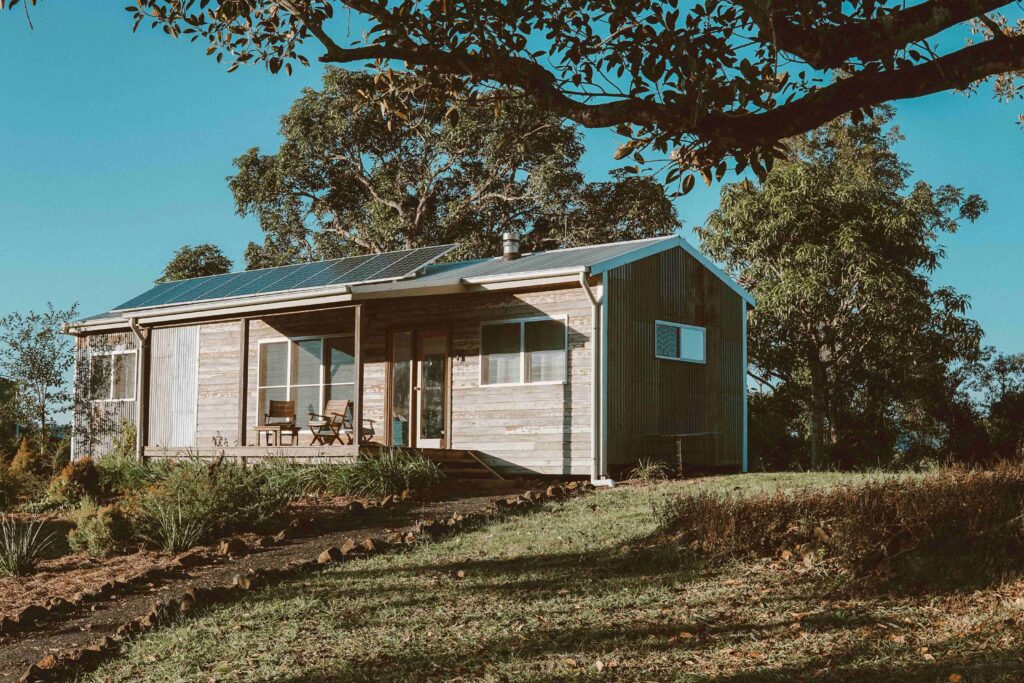
Transform your rural Australian property with solar power – from initial planning through installation and beyond. This comprehensive guide covers everything you need to achieve energy independence on your land.
Introduction
Rural Australia presents unique opportunities and challenges when it comes to solar power installation. Unlike urban properties with their standardised grid connections and predictable energy needs, rural properties require carefully tailored solar solutions that account for everything from livestock operations to seasonal irrigation demands.
The statistics speak for themselves: rural properties in Australia can achieve 70-90% reductions in electricity costs through properly designed solar systems. More importantly, they gain energy security that’s becoming increasingly valuable as extreme weather events strain aging grid infrastructure. Whether you’re managing a working farm, establishing a self-sufficient homestead, or operating a rural business, solar power represents one of the most practical investments you can make.
This guide will walk you through every aspect of rural solar installation, from understanding the unique considerations of rural properties to maximising your long-term return on investment. We’ll explore real-world case studies, examine the latest technology options, and provide practical advice gleaned from hundreds of successful rural installations across Australia.

The Rural Solar Advantage
Rural properties across Australia are uniquely positioned to capitalise on solar energy. The combination of abundant land, minimal shading, high electricity demands, and Australia’s exceptional solar resource creates compelling opportunities for energy independence.
Australia receives some of the world’s highest levels of solar radiation, with most rural areas enjoying 4-6 peak sun hours daily year-round. This solar abundance, combined with the typically high electricity consumption of rural properties, creates ideal conditions for solar investment. Rural properties often consume 50-200% more electricity than suburban homes due to pumps, workshop equipment, livestock systems, and larger buildings requiring heating and cooling.
The financial case for rural solar has strengthened considerably in recent years. Electricity prices have risen 60-80% over the past decade in many rural areas, while solar equipment costs have fallen by more than 70%. This creates a perfect storm of opportunity where solar systems can pay for themselves in 4-7 years while providing 20-25 years of benefits.
Beyond the financial advantages, rural solar offers energy security that’s particularly valuable for agricultural operations. Power outages can be devastating for livestock operations, irrigation systems, and temperature-controlled storage. Solar systems with battery backup ensure critical operations continue regardless of grid stability, providing peace of mind that’s difficult to quantify but invaluable in practice.
Understanding Your Solar Options
The world of rural solar extends far beyond simple rooftop installations. Understanding your options is crucial for making the right investment for your specific circumstances and long-term goals.
Grid-Connected Solar Systems
Grid-connected systems remain the most popular choice for rural properties with reliable electricity connections. These systems allow you to reduce your electricity bills while maintaining the security of grid backup power. During sunny periods, your solar panels generate electricity that powers your property directly, with any excess fed back into the grid for credit. When solar generation is insufficient – during cloudy weather or at night – you draw power from the grid as usual.
The beauty of grid-connected systems lies in their simplicity and cost-effectiveness. Without the need for battery storage, these systems have lower upfront costs and minimal maintenance requirements. For rural properties with good grid connections, grid-connected solar can deliver exceptional returns on investment.
However, standard grid-connected systems don’t provide backup power during outages. If maintaining power during grid failures is important for your operation, you’ll need to consider hybrid systems or backup generators.
Key considerations for rural grid-connected systems:
- Distance from the grid connection point can affect installation costs
- Rural grid infrastructure may be weaker, potentially limiting system size
- Three-phase power is common on rural properties, offering more installation flexibility
- Feed-in tariff rates vary significantly between regions and retailers
Off-Grid Solar Systems
Off-grid solar systems represent the ultimate in energy independence. These systems generate, store, and manage all your electricity needs without any connection to the electrical grid. For properties beyond economical grid connection, off-grid solar often proves more cost-effective than extending power lines.
Modern off-grid systems are remarkably sophisticated, incorporating intelligent battery management, automatic backup generation, and comprehensive monitoring systems. When properly designed, they provide reliability that matches or exceeds grid-connected properties while offering complete protection from rising electricity costs.
The key to successful off-grid systems lies in accurate assessment of energy needs and proper system sizing. Unlike grid-connected systems where oversizing simply reduces your electricity bill further, off-grid systems must be precisely matched to your consumption patterns and energy storage requirements.
Critical components of off-grid systems include:
- Solar panel array sized for worst-case seasonal conditions
- Battery bank with 3-5 days storage capacity
- High-quality inverter/charger with battery management
- Backup generator for extended cloudy periods
- Comprehensive monitoring and control systems
Hybrid Solar Systems
Hybrid systems combine the best aspects of grid-connected and off-grid solutions. These systems maintain grid connection for backup power while incorporating battery storage for energy security and load management. Hybrid systems are particularly attractive for rural properties that want to gradually transition toward energy independence or need guaranteed power for critical operations.
The flexibility of hybrid systems allows for sophisticated energy management strategies. You can program the system to use battery power during peak electricity pricing periods, maintain reserves for outages, and optimise solar generation for maximum financial benefit. As battery technology continues improving and costs decline, hybrid systems are becoming increasingly popular for rural applications.
Specialised Rural Applications
Rural properties often benefit from specialised solar applications beyond whole-property power systems. Solar water pumping has become particularly popular for livestock watering and irrigation applications. These systems pump water directly when the sun shines, storing energy as elevated water rather than in batteries. The result is extremely reliable, low-maintenance systems that can operate for decades with minimal intervention.
Electric fencing, gate operators, and remote monitoring systems also benefit from dedicated solar power systems. These applications often require small, standalone systems that can operate reliably in remote locations without maintenance for months or years.
Planning Your Solar Installation
Successful rural solar installations begin with thorough planning that accounts for your property’s unique characteristics, energy needs, and long-term goals. This planning phase is critical – mistakes made during planning can result in underperforming systems, unexpected costs, or missed opportunities for optimisation.
Assessing Your Energy Needs
Understanding your energy consumption patterns forms the foundation of effective solar system design. Rural properties often have complex, variable energy needs that differ significantly from suburban homes. Seasonal variations can be dramatic – irrigation systems may triple electricity consumption during summer months, while heating costs peak in winter.
Start by gathering 12-24 months of electricity bills to understand your baseline consumption and seasonal patterns. Pay particular attention to peak demand periods and any unusual spikes in consumption. These patterns will influence both your solar system size and battery storage requirements.
Don’t forget to account for future changes in energy needs. Planning for farm business expansion might require additional electrical capacity, while energy efficiency improvements could reduce consumption. Building some flexibility into your system design will save costs and complications later.
Key energy audit considerations:
- Document all electrical loads including seasonal equipment
- Measure actual consumption with smart meters or monitoring devices
- Identify opportunities for load shifting to optimise solar utilisation
- Plan for future expansion or changes in operations
- Consider energy efficiency improvements that could reduce system requirements
Site Assessment and Design Considerations
Rural properties offer unique advantages and challenges for solar installation. The abundance of space allows for optimal panel positioning and future expansion, but factors like livestock, equipment movement, and agricultural operations must be considered in system design.
Solar panel orientation and tilt significantly impact system performance. In Australia, north-facing panels with tilt angles matching your latitude typically provide optimal year-round generation. However, rural properties often benefit from split arrays – some panels optimised for summer performance to match irrigation loads, others positioned for winter generation when heating demands peak.
Shading analysis becomes particularly important on rural properties where trees, buildings, and equipment can create complex shading patterns. Even partial shading can significantly reduce solar system performance, making careful site selection and panel positioning crucial for optimal results.
Ground-mounted solar arrays are often preferred for rural installations due to easier maintenance access and optimal positioning flexibility. However, site selection must consider livestock behavior, equipment access requirements, and future land use plans.
Understanding Australian Regulations and Incentives
Navigating Australian solar regulations and incentive programs can significantly impact your system costs and installation timeline. The Small-scale Renewable Energy Scheme (SRES) provides upfront discounts through Small-scale Technology Certificates (STCs), potentially reducing system costs by $3,000-$8,000 depending on system size and location.
Feed-in tariff arrangements vary dramatically between states and electricity retailers. Understanding your options can influence system sizing decisions and long-term financial returns. Some retailers offer premium rates for solar exports, while others provide better value through competitive usage rates.
Installation standards are strictly regulated in Australia, requiring Clean Energy Council accredited installers and compliance with Australian Standards. While this adds costs and complexity, it ensures safety and system performance while protecting warranty coverage.
Regulatory checklist:
- Verify installer credentials and Clean Energy Council accreditation
- Understand local building and planning requirements
- Research available state and federal incentive programs
- Compare feed-in tariff options between electricity retailers
- Plan for grid connection processes and timing
Technology Deep Dive: Choosing the Right Components
Modern solar technology offers unprecedented efficiency, reliability, and value. Understanding your options helps ensure you select components that match your specific needs and budget while providing optimal long-term performance.
Solar Panel Technologies and Selection
Solar panel technology has advanced dramatically over the past decade, with efficiency improvements and cost reductions making solar more attractive than ever. For rural applications, panel selection involves balancing efficiency, durability, cost, and performance characteristics.
Monocrystalline panels currently dominate the Australian market due to their combination of high efficiency (18-22%) and proven durability. These panels perform better in low-light conditions and high temperatures, making them ideal for Australian conditions. While they carry higher upfront costs, their superior performance and longevity often justify the investment for rural applications.
Polycrystalline panels offer a more budget-friendly option with slightly lower efficiency (15-17%). For rural properties with abundant space, the efficiency difference may be less important than initial cost savings. However, the price gap between technologies has narrowed significantly, making monocrystalline panels increasingly attractive.
Panel durability becomes particularly important for rural installations where maintenance access may be limited and environmental conditions can be harsh. Look for panels with robust frames, high-quality glass, and comprehensive warranties. Tier 1 manufacturers typically offer better long-term support and proven track records in Australian conditions.
Panel selection considerations:
- Efficiency ratings and real-world performance data
- Temperature coefficients for Australian climate conditions
- Warranty terms and manufacturer financial stability
- Local dealer support and replacement part availability
- Mounting compatibility and installation requirements
Inverter Technologies for Rural Applications
Inverters form the heart of any solar system, converting DC electricity from panels into AC power for your property. Rural installations often benefit from more sophisticated inverter technologies that provide better monitoring, optimisation, and system management capabilities.
String inverters remain popular for straightforward installations with uniform panel arrays and minimal shading. Modern string inverters offer excellent efficiency and reliability while keeping costs manageable. For rural properties with simple roof layouts and predictable conditions, string inverters often provide the best value.
Power optimisers and microinverters address performance issues caused by shading, panel mismatch, or complex roof layouts. These technologies optimise each panel individually, providing better performance monitoring and reducing the impact of individual panel issues. While more expensive, they’re often worthwhile for complex rural installations or properties with variable shading conditions.
Three-phase inverters are common in rural applications due to the prevalence of three-phase electricity connections. These inverters distribute solar generation across all three phases, providing better balance and allowing larger system sizes without voltage issues.
Battery Storage: The Path to Energy Independence
Battery technology has revolutionised rural solar applications, making true energy independence practical and affordable. Modern lithium battery systems offer exceptional performance, longevity, and safety while requiring minimal maintenance.
Lithium Iron Phosphate (LiFePO4) batteries have become the gold standard for rural solar applications. These batteries offer 10-15 year lifespans, 90-95% usable capacity, excellent performance in Australian heat, and inherent safety characteristics. While initial costs are higher than lead-acid alternatives, their superior performance and longevity typically provide better long-term value.
Lead-acid batteries remain viable for budget-conscious installations or specific applications. Modern AGM and gel lead-acid batteries offer reasonable performance and proven reliability. However, their limited usable capacity (typically 50%) and shorter lifespans (5-7 years) must be factored into total system costs.
Battery sizing requires careful consideration of your energy consumption patterns, backup requirements, and budget constraints. Undersized battery banks limit system performance and longevity, while oversized banks increase costs without proportional benefits.
Battery selection factors:
- Usable capacity and depth of discharge characteristics
- Cycle life and warranty terms
- Temperature performance and thermal management
- Integration with inverter and monitoring systems
- Expansion capabilities for future growth
Installation Process and Best Practices
Professional installation is crucial for rural solar system performance, safety, and warranty compliance. Understanding the installation process helps you select the right installer and ensure optimal results for your investment.
Selecting the Right Installation Team
Rural solar installations require specialised expertise that goes beyond standard residential solar work. The ideal installation team combines Clean Energy Council accreditation with specific experience in rural applications, understanding the unique challenges and opportunities these properties present.
Look for installers with demonstrated experience in systems similar to your requirements. Off-grid installations require different expertise than grid-connected systems, while agricultural applications demand understanding of farming operations and seasonal requirements. Ask for references from similar projects and visit completed installations when possible.
Quality installers provide comprehensive quotes that detail equipment specifications, installation methods, warranty terms, and post-installation support. Be wary of quotes that seem significantly lower than others – they often indicate shortcuts in equipment quality, installation methods, or after-sales support.
Installer evaluation criteria:
- Clean Energy Council accreditation and electrical licensing
- Experience with similar rural solar applications
- Local knowledge and ongoing support capabilities
- Equipment warranties and workmanship guarantees
- Insurance coverage and safety procedures
Installation Methodology and Timeline
Rural solar installations typically follow a structured process that begins with detailed site surveying and engineering. Professional installers conduct comprehensive site assessments that account for structural requirements, electrical infrastructure, and operational considerations specific to your property.
The installation timeline varies depending on system complexity, equipment availability, and regulatory requirements. Simple grid-connected systems might be completed in 1-2 days, while complex off-grid installations can require a week or more. Weather conditions, access limitations, and seasonal factors can all influence installation scheduling.
Quality installations involve careful attention to structural integrity, electrical safety, and aesthetic considerations. Panel mounting systems must withstand extreme weather conditions while providing optimal positioning for solar generation. Electrical work must comply with Australian standards while providing safe, reliable operation for decades.
Post-installation commissioning ensures all system components operate correctly and efficiently. This process includes performance testing, safety verification, monitoring system setup, and comprehensive owner training. Don’t accept an installation without thorough commissioning and documentation.
Common Installation Challenges and Solutions
Rural installations often present unique challenges that require creative solutions and specialised expertise. Distance from suppliers can complicate equipment logistics, while remote locations may limit access to specialised equipment or services.
Structural considerations become particularly important for rural buildings that may not have been designed for solar panel loads. Agricultural buildings often require reinforcement or specialised mounting systems to safely support solar arrays. Professional structural assessment is essential for older or non-standard buildings.
Wildlife interactions can pose ongoing challenges for rural solar systems. Birds may nest under panels or damage wiring, while livestock curiosity can lead to damage of ground-mounted systems. Proper installation techniques and ongoing maintenance protocols can minimise these issues.
Rural installation considerations:
- Equipment logistics and delivery to remote locations
- Structural assessment and reinforcement requirements
- Wildlife and livestock protection measures
- Access planning for installation and future maintenance
- Emergency procedures and safety protocols
Maximising System Performance and ROI
Getting the most from your rural solar investment requires ongoing attention to system performance, energy management, and optimisation opportunities. Well-managed systems consistently outperform neglected installations by 20-30% or more.
Energy Management Strategies
Effective energy management begins with understanding your consumption patterns and aligning them with solar generation whenever possible. Rural properties often have significant flexibility in timing energy-intensive operations, creating opportunities for substantial savings through load shifting.
Time-of-use electricity tariffs are becoming increasingly common, creating additional incentives for optimising energy consumption patterns. Running irrigation pumps, grain dryers, and other high-consumption equipment during peak solar generation periods can maximise both solar utilisation and tariff savings.
Battery storage systems enable sophisticated energy management strategies that go beyond simple backup power. Modern battery systems can be programmed to store energy during low-cost periods and discharge during peak pricing, arbitrage between different tariff periods, and maintain reserves for critical operations.
Load management strategies:
- Schedule high-consumption equipment during peak solar hours
- Use smart controllers and timers for automatic load shifting
- Implement demand management to reduce peak charges
- optimise battery charging and discharging cycles
- Monitor and adjust consumption patterns based on performance data
Maintenance and Monitoring Best Practices
Regular maintenance is essential for optimal solar system performance and longevity. Rural installations may require more frequent attention due to dust, vegetation, and wildlife factors that don’t affect urban systems.
Panel cleaning requirements vary dramatically depending on location and environmental conditions. Properties in dusty areas or those with significant bird activity may require monthly cleaning, while others need attention only during extended dry periods. Establish a cleaning schedule based on performance monitoring rather than arbitrary timelines.
System monitoring provides crucial insights into performance trends, potential issues, and optimisation opportunities. Modern monitoring systems can detect problems before they become serious, alert you to maintenance requirements, and help optimise energy consumption patterns.
Maintenance checklist:
- Regular visual inspections for damage or debris
- Panel cleaning based on performance monitoring
- Electrical connection inspection and maintenance
- Battery system monitoring and maintenance
- Vegetation management around ground-mounted systems
- Wildlife deterrent inspection and maintenance
Performance optimisation and Future Planning
Solar system performance naturally degrades over time, typically at rates of 0.5-0.8% annually. However, well-maintained systems can exceed expected performance through optimisation and strategic upgrades.
Panel layout optimisation can significantly improve performance for properties with complex shading patterns or multiple roof orientations. Adding power optimisers or microinverters to existing string inverter systems can boost generation by 10-25% in challenging conditions.
Battery technology continues advancing rapidly, creating opportunities for system upgrades that improve performance while reducing costs. Modern lithium batteries can often replace older lead-acid systems with significant improvements in capacity, efficiency, and lifespan.Planning for property expansion or changes in operations should include consideration of solar system capacity. Designing electrical infrastructure for future solar expansion can save significant costs compared to retrofitting later.
Financial Planning and Return on Investment
Understanding the financial aspects of rural solar investment is crucial for making informed decisions and maximising long-term returns. Solar systems represent significant upfront investments that deliver benefits over 20-25 years, requiring careful financial planning and realistic expectations.
System Costs and Financing Options
Rural solar system costs vary dramatically depending on system size, technology choices, installation complexity, and location factors. Simple grid-connected systems might cost $6,000-$15,000, while comprehensive off-grid installations can exceed $50,000 for larger properties with high energy needs.
Don’t focus solely on upfront costs when evaluating solar investments. Total cost of ownership includes ongoing maintenance, potential component replacements, and opportunity costs of invested capital. Quality systems with higher upfront costs often provide better long-term value through superior performance and reduced maintenance requirements.
Financing options for rural solar include cash purchases, solar loans, equipment finance, and lease arrangements. Cash purchases typically provide the best returns by avoiding interest costs and capturing all available incentives. However, financing can improve cash flow and allow larger system investments that might not otherwise be feasible.
Cost factors and considerations:
- System size and complexity requirements
- Equipment quality and warranty terms
- Installation complexity and site access
- Ongoing maintenance and monitoring costs
- Financing terms and interest rates
- Insurance requirements and costs
Return on Investment Analysis
Solar system returns depend on multiple factors including system costs, electricity savings, feed-in tariff income, and system performance over time. Typical payback periods range from 4-7 years for grid-connected systems and 8-12 years for off-grid installations.
Calculate returns based on realistic assumptions about electricity price increases, system performance degradation, and maintenance costs. Conservative projections are preferable to optimistic scenarios that may not materialise.
Consider non-financial benefits when evaluating solar investments. Energy security, environmental benefits, and increased property values may justify investments that don’t meet purely financial criteria.
ROI calculation factors:
- Electricity cost savings and feed-in tariff income
- Government incentive values and timing
- System performance expectations and degradation
- Maintenance costs and component replacement schedules
- Electricity price escalation assumptions
- Tax implications and depreciation benefits
Integration with Rural Operations
The most successful rural solar installations are those that integrate seamlessly with existing operations while providing opportunities for operational improvements and efficiency gains.
Agricultural Integration Opportunities
Solar systems can provide direct benefits to agricultural operations beyond simple electricity savings. Solar-powered irrigation systems can reduce operating costs while providing better water management capabilities. Automated systems can optimise irrigation timing based on solar generation, weather conditions, and crop requirements.
Livestock operations benefit significantly from reliable solar power. Stock water systems, automated feeding equipment, and environmental controls for housing all benefit from consistent, cost-effective power supply. Solar systems with battery backup ensure these critical systems continue operating during grid outages.
Agrivoltaics – combining solar generation with agricultural production – represents an emerging opportunity for rural properties. Elevated solar panels can provide beneficial shading for livestock or certain crops while generating electricity. This dual land use can increase property productivity while diversifying income streams.
Agricultural integration examples:
- Solar-powered bore pumps and irrigation systems
- Livestock water and feeding system power
- Grain storage and handling equipment
- Cool room and processing facility power
- Workshop and machinery shed systems
Business and Tax Considerations
Solar installations on working farms may qualify for various business tax benefits including immediate asset write-offs, depreciation allowances, and GST considerations. Professional accounting advice can help optimise these benefits and ensure compliance with tax obligations.
Rural business operations may benefit from solar installations that support new revenue streams or improve existing operations’ profitability. Processing facilities, value-added production, and direct marketing operations all require reliable, cost-effective power that solar can provide.
Insurance considerations become important for larger rural solar installations. Ensure your property insurance covers solar equipment and consider business interruption coverage for income-producing operations dependent on solar power.
Future-Proofing Your Investment
Solar technology continues evolving rapidly, creating both opportunities and challenges for rural property owners. Understanding emerging trends helps ensure your investment remains valuable and relevant for decades to come.
Emerging Technologies and Trends
Battery technology advancement continues accelerating, with new chemistries promising even better performance and lower costs. Solid-state batteries may revolutionise energy storage within the next decade, while recycling programs are developing to handle end-of-life battery disposal.
Smart grid technologies are enabling new opportunities for rural solar systems. Virtual power plants can aggregate distributed solar and battery systems, providing additional revenue streams while supporting grid stability. Peer-to-peer energy trading may allow rural properties to sell excess generation directly to neighbors or other consumers.
Electric vehicle integration presents both opportunities and challenges for rural properties. Solar systems can provide cost-effective charging for farm vehicles and equipment, while vehicle batteries may serve as additional energy storage for properties.
Technology trends to watch:
- Advanced battery chemistries and energy storage systems
- Artificial intelligence for system optimisation and management
- Integration with smart grid and energy trading platforms
- Electric vehicle charging and vehicle-to-grid technologies
- Building-integrated photovoltaics and aesthetic improvements
Planning for Long-Term Success
Successful long-term solar installations require planning for technology evolution, component replacement, and changing operational requirements. Design electrical infrastructure with capacity for future expansion and consider component replacement schedules when planning system layouts.
Stay informed about technological developments and policy changes that might affect your system’s value or performance. Join renewable energy organisations, attend industry events, and maintain relationships with quality installers who can provide ongoing advice and support.
Consider your system’s role in overall property development and succession planning. Well-designed solar installations can enhance property values and attractiveness to future buyers, while providing ongoing operational benefits for decades.
Getting Started: Your Action Plan
Taking the first steps toward rural solar installation can seem overwhelming, but a systematic approach ensures you make informed decisions and achieve optimal results for your investment.
Begin with a comprehensive energy audit that documents your current consumption patterns, identifies opportunities for efficiency improvements, and establishes realistic goals for your solar installation. This foundation information guides all subsequent decisions about system sizing, technology choices, and installation approaches.
Research local installers and gather multiple quotes for comparison. Focus on value rather than simply lowest cost – quality installations provide better long-term returns through superior performance and reduced maintenance requirements.
Implementation steps:
- Conduct thorough energy audit and consumption analysis
- Research installer options and gather detailed quotes
- Evaluate financing options and available incentives
- Plan installation timing and access requirements
- Prepare for ongoing monitoring and maintenance
Next steps checklist:
- Calculate current energy costs and consumption patterns
- Assess property solar potential and installation opportunities
- Research available incentives and financing options
- Contact qualified installers for site assessments and quotes
- Develop realistic timeline and budget for implementation
Conclusion
Rural solar power represents one of the most practical and profitable investments Australian property owners can make. The combination of abundant solar resources, rising electricity costs, and advancing technology creates unprecedented opportunities for energy independence and cost savings.
Success in rural solar installation depends on careful planning, quality components, professional installation, and ongoing system optimisation. By understanding your options, working with experienced professionals, and planning for long-term performance, you can achieve energy independence while significantly reducing operating costs.
The journey toward solar energy independence begins with education and planning. Use this guide as your roadmap, but remember that every property is unique. Professional advice tailored to your specific circumstances will ensure you select the optimal solution for your needs and budget.
Rural Australia’s energy future is increasingly solar-powered. Whether you’re just beginning to explore solar options or ready to move forward with installation, the opportunity to reduce costs, increase energy security, and contribute to environmental sustainability has never been better.
Take the first step today by assessing your energy needs and researching your options. Your future self (and your electricity bills) will thank you for the investment in energy independence that solar power provides.