Nestled on the Great Dividing Range just 90 minutes from Sydney’s CBD, the Southern Highlands offers one of New South Wales‘ most refined rural lifestyles. With its cool temperate climate, historic villages, and thriving artisan food scene, the region has long attracted tree changers, hobby farmers, and families seeking a sophisticated country lifestyle without sacrificing metropolitan connectivity.
From boutique acreages in Bowral and Bundanoon to productive farmland near Moss Vale and Robertson, the Highlands provide exceptional opportunities for self-reliant living. Whether you’re planning to grow cool-climate fruit and vegetables, raise heritage livestock, or establish a small vineyard, the Southern Highlands delivers reliable rainfall, fertile soils, and a community that genuinely values quality, craftsmanship, and sustainable living.
This guide covers everything you need to know to make an informed land purchase – from climate and water access to schools, markets, and realistic property prices in 2025.
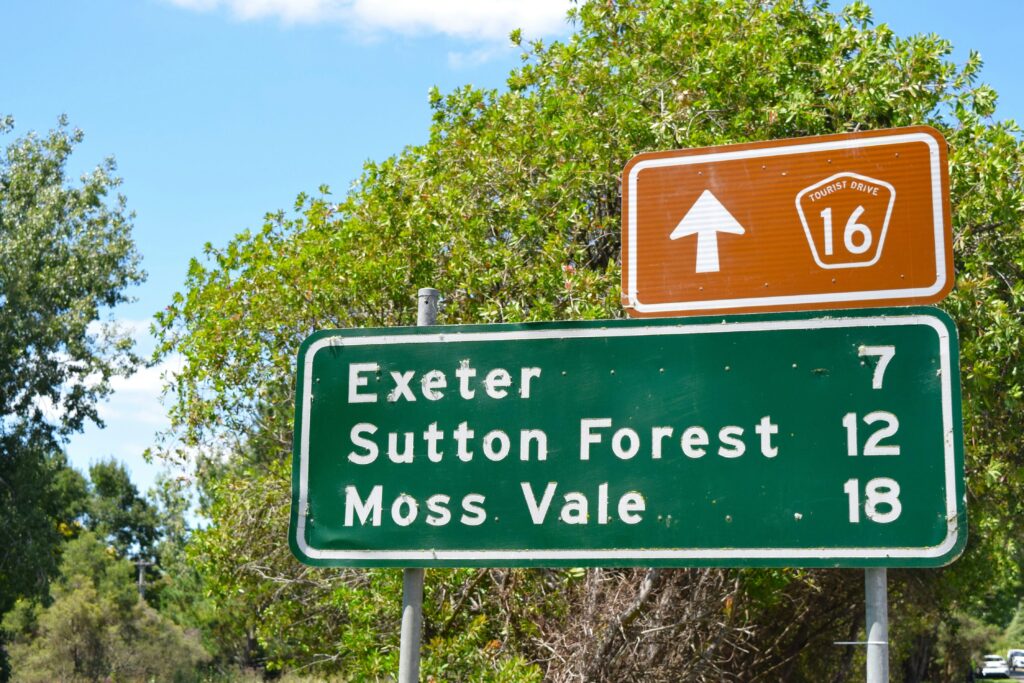
Where Are the Southern Highlands?
The Southern Highlands region spans approximately 2,700 square kilometres across the elevated plateau of the Great Dividing Range, beginning just 100 kilometres south-west of Sydney and extending towards the tablelands. With a population of approximately 53,100 across the Wingecarribee Shire (2023 estimate), the region maintains a distinctly rural character while offering sophisticated regional amenities.
Major townships include Bowral, Mittagong, Moss Vale, Bundanoon, and Robertson – each with its own character and heritage. Smaller villages such as Berrima, Burradoo, Sutton Forest, Exeter, and Colo Vale add to the region’s charm and accessibility.
Who the Southern Highlands Suits:
- Cool-climate orchardists and berry growers seeking elevation and reliable rainfall
- Families wanting excellent schools with genuine rural lifestyle
- Small-scale viticulturists and specialty crop producers
- Food and wine enthusiasts seeking a productive, artisan community
- Remote workers seeking lifestyle balance within commuting distance of Sydney
The Southern Highlands is ideal for those who want genuine country living with metropolitan convenience – you can grow pears and raise sheep whilst being less than 90 minutes from Sydney’s cultural institutions or Canberra’s services.
Climate & Rainfall in the Southern Highlands
The Southern Highlands enjoys a cool temperate climate with four distinct seasons, cooler temperatures than Sydney, and significantly higher rainfall. This elevation-driven climate (500-900m above sea level) makes the region one of NSW’s most productive agricultural zones, particularly for cool-climate crops and European-style agriculture.
Key Climate Data (Southern Highlands average):
- Annual Rainfall: 800–1,200mm (varies with elevation and location; Wine Australia reports ranges from 832mm to 1,664mm across the region)
- Summer Max Average: 26–28°C
- Winter Min Average: 4–7°C
- Frost: Common from May to September, with occasional snow
- Bushfire Risk: Moderate to high, requiring proper planning and preparation
These conditions support year-round food production with careful planning. The cooler summer temperatures and reliable winter rainfall create ideal conditions for stone fruit, apples, pears, berries, and cool-season vegetables. Higher-elevation properties (particularly above 600m) benefit from extended growing seasons for European crops that struggle in Sydney’s heat.
Tip: A well-designed orchard and kitchen garden in the Southern Highlands can provide abundant fruit and vegetables nearly year-round, with proper variety selection and succession planting.
Soil Types, Farm & Land Characteristics in the Southern Highlands
The Southern Highlands region features diverse soil types shaped by varied geological formations, elevation, and topographic positions. The area is dominated by fertile soils supporting intensive agriculture, with significant variation depending on location and landscape position.
Typical Soil Types in the Southern Highlands Include:
- Deep alluvial soils on valley floors: Excellent structure and water-holding capacity; ideal for intensive horticulture, vegetables, and small fruits
- Krasnozem and friable clay soils (basaltic origin): Found on elevated areas; excellent fertility for improved pastures, orchards, and cool-climate viticulture
- Ferrosols (iron-rich soils): Particularly around Robertson; fine microstructure that supports premium potato and vegetable production
- Sandy loams on elevated ridges: Free-draining conditions suited to tree crops, native vegetation, and extensive grazing
Be mindful that valley floors can experience frost pockets during winter, whilst steeper hillsides may have shallower topsoil. North-facing slopes with good drainage are premium positions for orchards and pasture productivity.
Tip: Soil testing is beneficial in the Southern Highlands to optimise fertility management. Many properties respond well to lime application and organic matter incorporation for premium crop production.
Southern Highlands Farm Water Access: Rainwater, Dams, and Bores
Water is abundant in the Southern Highlands compared to most NSW regions, with reliable winter rainfall making self-sufficient living highly achievable. Strategic water harvesting and storage are still essential for summer irrigation and livestock needs.
Water Sources to Consider in the Southern Highlands:
Rainwater Tanks: Most rural properties feature 20,000–60,000L of tank capacity. For genuine self-sufficiency, aim for 100,000–200,000L across multiple tanks for household, garden, and stock use. With 800–1,200mm of annual rainfall, a 200m² roof can yield 150,000L+ annually.
Creeks and Watercourses: Many properties border seasonal or permanent creeks. The Wingecarribee River system and numerous tributaries provide reliable water sources. Properties in the upper catchments near Bundanoon, Robertson, and Fitzroy Falls have more dependable flow.
Dams and Ponds: Small to medium dams (0.25–1ML) are common on acreages above 5 hectares. They’re invaluable for irrigation, livestock, firefighting, and aquaculture. Evaporation is lower than the Sydney Basin due to cooler temperatures and higher rainfall.
Bore Water: Groundwater availability varies significantly by location. Some areas have excellent bore yields whilst others are limited. Testing is essential before purchase, and bore depths can vary from 30–120+ metres depending on geology.
For maximum efficiency, combine rainwater for drinking and cooking, dam water for gardens and livestock, and mulch-heavy soil management to reduce evaporation during the dry summer months.
What Grows Well in the Southern Highlands
The Southern Highlands’ elevation (500–900m), reliable rainfall, and cool winters create exceptional growing conditions for a diverse range of temperate crops. The region is renowned for its cool-climate viticulture, stone fruit, potatoes, berries, and specialty vegetables.
Best-Suited Food Crops in the Southern Highlands:
| Category | Examples |
| Cool-season veg | Cabbage, kale, broccoli, cauliflower, peas, broad beans, Asian greens |
| Warm-season veg | Tomatoes, beans, zucchini, corn, capsicum (with shelter) |
| Orchard crops | Apples, pears, cherries, apricots, plums, peaches, quinces |
| Berries | Strawberries, raspberries, blackberries, blueberries |
| Root vegetables | Potatoes (specialty production), carrots, parsnips, turnips, beetroot |
| Perennials | Rhubarb, asparagus, artichokes, berries |
Livestock also thrives in the Southern Highlands. The region is well-suited for:
- Sheep for meat or wool (particularly Poll Dorsets, Dorpers, and merinos)
- Heritage cattle breeds on larger acreages for boutique beef production
- Goats for land management, milk, and meat
- Chickens and ducks for eggs and pest control
- Alpacas for fibre and agistment income
The mixed terrain is ideal for rotational grazing, integrated poultry systems beneath fruit trees, and small-scale pastoral farming with environmental sensitivity.
Southern Highlands Farm, Land Prices and Real Estate (2025 Snapshot)
The Southern Highlands offers premium regional values reflecting its proximity to Sydney, though prices remain more accessible than equivalent Sydney Basin acreages. Location, elevation, views, water access, and proximity to major townships all influence pricing.
| Property Type | Approx. Price (2025) | Notes |
| Village block (<1000m²) | $500,000–$850,000 | For intensive food gardening in Bowral, Mittagong, Bundanoon |
| Small acreage (2–5 ha) | $900,000–$1,500,000 | Often includes water, fencing, sheds, occasional dwelling |
| Medium farms (10–40 ha) | $1,500,000–$3,500,000+ | May include dam, bore, infrastructure, views |
Tips for Buyers:
- Prioritise north-facing blocks for solar gain and orchard productivity
- Ensure legal access, building entitlements, and BAL (Bushfire Attack Level) assessment
- Look for properties with existing water infrastructure (tanks, dam, or bore)
- Check zoning: Rural Living, Rural Landscape, and Primary Production zones offer greatest flexibility
- Consider the trade-off between proximity to Sydney and land size/price
- Have a look at our guides on how to buy a farm and best buying regions in NSW
Local Events, Meetups, and Markets in the Southern Highlands
The Southern Highlands has one of Australia’s most vibrant regional food cultures, with thriving farmers markets, artisan producers, and a genuine connection between growers and consumers. If you’re after rural life with real community engagement, you’ll find plenty of ways to connect.
Notable Community Events:
Railway Street Fresh Food & Produce Market (Moss Vale) Held every Thursday, 3pm–6pm – authentic farmers market with fresh seasonal produce direct from local growers using regenerative farming practices
Bowral Public School Markets Every second Saturday, 8am–1pm – quality maker’s market, producer’s market, and artisan market combined
Moss Vale Showground Market Third Sunday of each month, 9am–3pm – over 80 stalls with live music and community vibe
Bundanoon Makers Market First and third Sundays, 8:30am–2pm – handmade goods, fresh produce, and strong local community focus
Regional food and wine festivals Including Tulip Time Festival in Bowral (September-October), harvest events, and numerous winery open days throughout the year
Permaculture and sustainable living groups Active networks across Bowral, Moss Vale, and Bundanoon for knowledge sharing and skills development
The Southern Highlands is renowned for cool-climate wines, cherries, berries, artisan cheese, olive oil, heritage potatoes, and craft beverages, creating a supportive environment for farmgate sales and small food businesses.
Schools, Hospitals, and Services in the Southern Highlands
Whilst offering a rural lifestyle, the Southern Highlands maintains excellent infrastructure and services – particularly important for families relocating from metropolitan areas.
Education:
Public Schools:
- Bowral Public School
- Moss Vale Public School
- Mittagong Public School
- Bowral High School
- Moss Vale High School
Private/Independent Schools:
- Chevalier College (Catholic, K–12)
- Oxley College (Independent, Pre-K–12)
- Frensham (Independent girls, K–12)
- Gib Gate School (Independent, K–12)
TAFE NSW Moss Vale campus offering agriculture, horticulture, hospitality, and trades
Healthcare:
Bowral and District Hospital: 24-hour emergency services, maternity, paediatrics, surgical, and medical services. The only hospital operated outside Sydney by South Western Sydney Local Health District.
Southern Highlands Private Hospital: 73-bed private facility co-located with Bowral Hospital; specialised surgical, medical, rehabilitation, oncology, and palliative care services
Highlands Specialist Hub: Comprehensive specialist medical services within 200 metres of both hospitals
GP clinics and allied health: Available across major townships including Bowral, Mittagong, Moss Vale, and Bundanoon
Nearest major hospitals: Campbelltown and Liverpool Hospitals (60–70 min drive), Royal Prince Alfred Hospital Sydney (90 min drive)
Other Services:
- Libraries, recreation centres, and community facilities across the region
- NBN and mobile coverage widely available in townships (variable in remote areas)
- Hardware, agricultural supplies, and major retailers in Bowral and Moss Vale
- Active RFS brigades and strong emergency service presence
The Southern Highlands delivers comprehensive services for a regional area of its size, making it highly viable for families with young children or those requiring regular healthcare access.
Southern Highlands Proximity to Major Cities
Many people moving to the Southern Highlands want balance – genuine country living without complete isolation from urban amenities.
Distance from Major Centres:
- Sydney CBD: ~110–130 km (90–110 min from most townships)
- Sydney Airport: ~120–140 km (100–120 min)
- Canberra: ~120–150 km (90–120 min)
- Wollongong: ~60–80 km (60–80 min)
Public Transport Options:
- Regular train services on the Southern Highlands Line from Sydney Central to Mittagong, Bowral, Moss Vale, and Bundanoon
- NSW TrainLink services extending to Goulburn and Canberra
- Berrima Buslines services throughout the region
- Long-distance coach services to Sydney, Canberra, Melbourne, and Adelaide
For those working flexibly, consulting, or operating online businesses, the Southern Highlands provides the ideal distance – far enough for lifestyle change and land access, close enough for regular city trips and metropolitan services.
Fire Risk and Infrastructure in the Southern Highlands
Bushfire Preparedness:
The Southern Highlands faces moderate to high bushfire risk, particularly during summer and on extreme fire danger days. The region’s elevation, vegetation types, and prevailing winds require proper preparation and property management.
Ensure:
- 20m asset protection zone around dwellings (may be greater depending on BAL rating)
- Fire-resistant construction materials (metal roofing, ember guards, screens)
- Firefighting equipment: pump, hoses, and reliable water supply (dam or tank with 10,000L+ for firefighting)
- Active vegetation management and fuel load reduction
- Current Bushfire Survival Plan and membership in local RFS brigade
Infrastructure Checklist:
Power: Grid-connected across most townships. Many properties utilise solar or off-grid systems. Check for three-phase availability if planning irrigation or workshop equipment.
Water: Rainwater tanks and dams are standard. Bore yields vary significantly – always test quality and quantity before purchase.
Roads & Access: Most acreages serviced by sealed roads or well-maintained gravel. Check for flood-prone crossings and winter access in steeper terrain. Heavy snowfalls are rare but can occur.
Tip: Join your local RFS brigade – it’s an excellent way to meet neighbours, understand local fire risk, and contribute to community safety.
Is Land or a Farm in the Southern Highlands Right for You?
The Southern Highlands attracts a diverse mix of tree changers – from young families and remote workers to retirees and serious cool-climate farmers. It suits those who value refined country living, productive land, and connection to a thriving regional food and wine culture.
Who Will Love the Southern Highlands:
- Cool-climate fruit growers and berry producers
- Boutique viticulturists and specialty crop farmers
- Families wanting excellent school access with acreage and community
- Small-scale livestock keepers and regenerative farmers
- Remote workers seeking lifestyle within commuting distance
- Food and wine enthusiasts wanting to grow their own
Who Might Not:
- Those expecting daily commuting to Sydney (viable but demanding long-term)
- People seeking flat, easy-to-work land (the Highlands are hilly!)
- Those uncomfortable with bushfire risk and seasonal fire management
- Anyone averse to cool winters, frost, and occasional snow
The Southern Highlands offers one of the best combinations of climate, soil, water, proximity, and community in New South Wales – especially for those pursuing cool-climate agriculture with access to education, healthcare, and cultural amenities close by.
Looking for More?
Try our free farm finder tool here or fill in the form below and we’ll be in touch to see how we can help your farm or land buying journey!

