Beekeeping represents one of the most rewarding agricultural pursuits available to both hobby farmers and dedicated landholders alike. Whether you’re living on a sprawling property in rural Australia or managing a modest suburban backyard, beekeeping offers a fascinating window into the natural world while providing tangible benefits for your property, the environment, and potentially your bank account.
The practice of keeping bees has experienced a remarkable resurgence across Australia in recent years. This growing interest stems not just from the obvious reward of harvesting your own honey, but also from increased awareness about pollinator decline and the critical role bees play in our ecosystem and food security.
This comprehensive guide will walk you through everything you need to know about starting your beekeeping journey. We’ll cover the fundamentals of how beekeeping works, explore the substantial benefits for both farmers and the environment, outline the essential equipment you’ll need, examine the potential for profitability, discuss seasonal considerations, and provide practical advice on harvesting honey. By the end, you’ll have a clear roadmap for establishing your own thriving apiary.
Skip to content by clicking the headings below:
- How Beekeeping Works
- How Beekeeping is Beneficial for Farmers
- How Beekeeping Helps the Environment
- What Beekeeping Equipment Do I Need to Start
- Getting Started Beekeeping
- Beekeeping Season
- When to Harvest Honey
- Economic & Financial Considerations
- Sustainable Beekeeping Practices
- Australian Honey Varieties
- Challenges and Solutions
- Your Beekeeping Journey

How Beekeeping Works: Understanding the Fundamentals
At its core, beekeeping (or apiculture) involves providing managed homes for honey bee colonies and creating optimal conditions for them to thrive while allowing the beekeeper to harvest surplus honey and other valuable products like beeswax, propolis, and pollen.
The fundamental unit in beekeeping is the hive—a manufactured structure that replicates the bees’ natural living environment while allowing the beekeeper access for management and harvesting. The most common hive type in Australia is the Langstroth hive, which consists of:
- A bottom board (the floor)
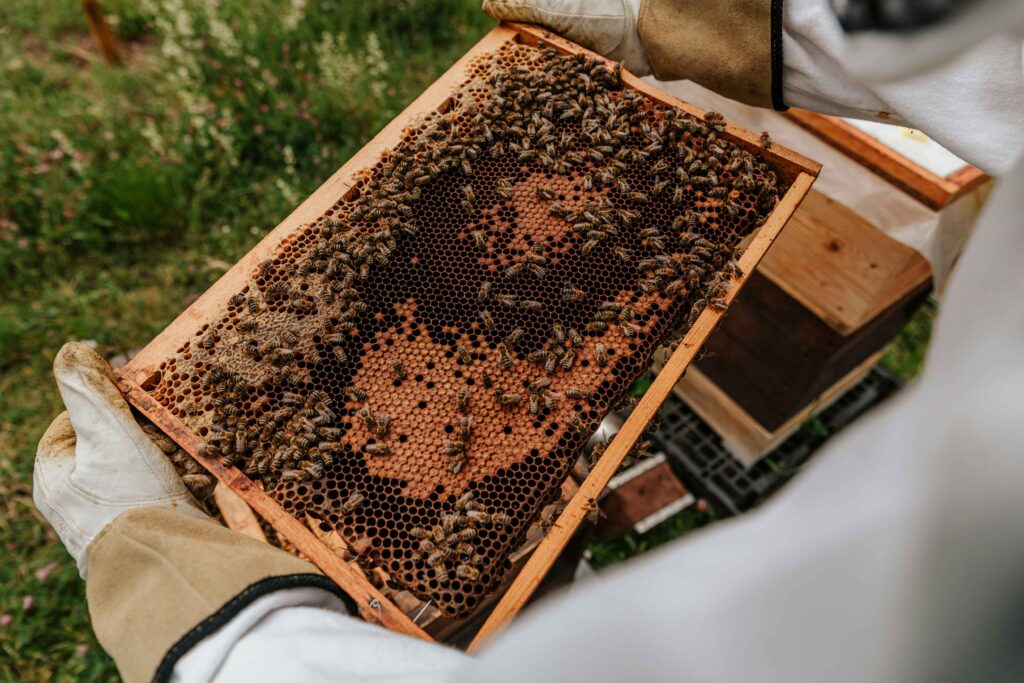
- Brood boxes containing frames where the queen lays eggs and young bees develop
- Honey supers (additional boxes) where honey is stored
- An inner cover and outer lid to protect from elements
Within this carefully designed structure lives the colony, which consists of:
- A single queen bee responsible for laying all the eggs
- Thousands of female worker bees that perform all the hive maintenance, foraging, and honey production
- Several hundred male drones whose primary purpose is to mate with new queens
The intricate social structure of the bee colony means they largely manage themselves, with the beekeeper primarily providing suitable housing, monitoring for health issues, ensuring adequate nutrition during lean periods, and harvesting excess honey when appropriate.
As a beekeeper, your regular activities will include:
- Conducting hive inspections to check on the queen’s productivity, assess honey stores, and monitor for pests or diseases
- Managing the space within the hive by adding or removing boxes as needed
- Implementing seasonal management practices like swarm prevention in spring
- Harvesting honey when stores are abundant, typically once or twice per year
The beauty of beekeeping lies in its scalability—you can start with just one or two hives as you learn, then expand as your confidence and interest grows.
How Beekeeping is Beneficial for the Farmer: Multiple Rewards
The benefits of beekeeping extend far beyond the obvious reward of honey production. For farmers and property owners, establishing hives provides multiple advantages that enhance both productivity and sustainability.
Enhanced Crop Pollination
Perhaps the most significant benefit for farmers comes through improved pollination. Honey bees are remarkably efficient pollinators, visiting up to 5,000 flowers daily. For farms growing fruit trees, vegetables, oilseeds, legumes or other pollination-dependent crops, having managed hives on-site can significantly increase yields and improve fruit or seed quality.
Research conducted by the Rural Industries Research and Development Corporation found that honey bee pollination directly contributes over $14 billion annually to the Australian economy through increased crop production. Even small-scale farmers can witness dramatic improvements—studies show yield increases of 30-50% for many common garden vegetables when adequate pollination occurs.
Diversified Income Streams
Beekeeping provides multiple potential income sources:
- Raw honey production, which can be sold locally at premium prices
- Specialty honey varieties (such as yellow box or ironbark) that command higher market values
- Beeswax for crafting candles, food wraps, and cosmetics
- Propolis and pollen for health supplements
- Queen bee and nucleus colony production for other beekeepers
- Potential agritourism opportunities through beekeeping workshops or tours
This diversity creates financial resilience, particularly important for small-scale farming operations.
Sustainable Farm Management
Maintaining healthy bee colonies naturally encourages more environmentally conscious farming practices:
- Reduced pesticide use to protect pollinator health
- Increased planting of diverse flowering species for bee forage
- Enhanced awareness of ecological balance and biodiversity
- Greater appreciation for seasonal rhythms and natural cycles
These shifts benefit not only the bees but the entire farm ecosystem, supporting more sustainable and regenerative approaches to land management.
How Beekeeping Helps the Environment: Ecological Impacts
The environmental benefits of beekeeping extend well beyond your property boundaries, contributing to broader ecological health in significant ways.
Pollination Services for Native Ecosystems
While European honey bees are not native to Australia, they have become important pollinators for many native plant species, particularly in environments where native pollinator populations have declined. By maintaining healthy honey bee colonies, beekeepers support:
- Reproduction of native flowering plants
- Seed and fruit production that feeds wildlife
- Maintenance of plant genetic diversity
- Vegetation regeneration in bushfire-affected areas
Preservation of Plant Biodiversity
Beekeepers quickly develop appreciation for flowering plants of all kinds and often become advocates for preserving and expanding floral resources. This frequently leads to:
- Planting diverse native flowering species
- Protecting remnant vegetation
- Creating wildlife corridors and pollinator pathways
- Preserving old-growth trees with valuable hollows and abundant flowering resources
Environmental Awareness and Education
Beekeeping naturally connects people to environmental cycles and creates opportunities for education about:
- Pollinator decline and its causes
- The importance of insects in ecosystem functioning
- Food system sustainability and security
- Climate change impacts on flowering patterns and bee health
Many beekeepers become environmental advocates, using their firsthand experience with bees to educate others about broader ecological issues.
Carbon Sequestration and Land Care
The flowering plants that support healthy bee populations also contribute to:
- Carbon capture and storage in plant biomass
- Reduced soil erosion through improved ground cover
- Enhanced water filtration and retention
- Habitat creation for other beneficial wildlife species
What Beekeeping Equipment Do I Need: Essential Gear
Starting beekeeping requires an initial investment in quality equipment. While it’s possible to begin on a budget, certain items are non-negotiable for both bee health and beekeeper safety.
Hive Components
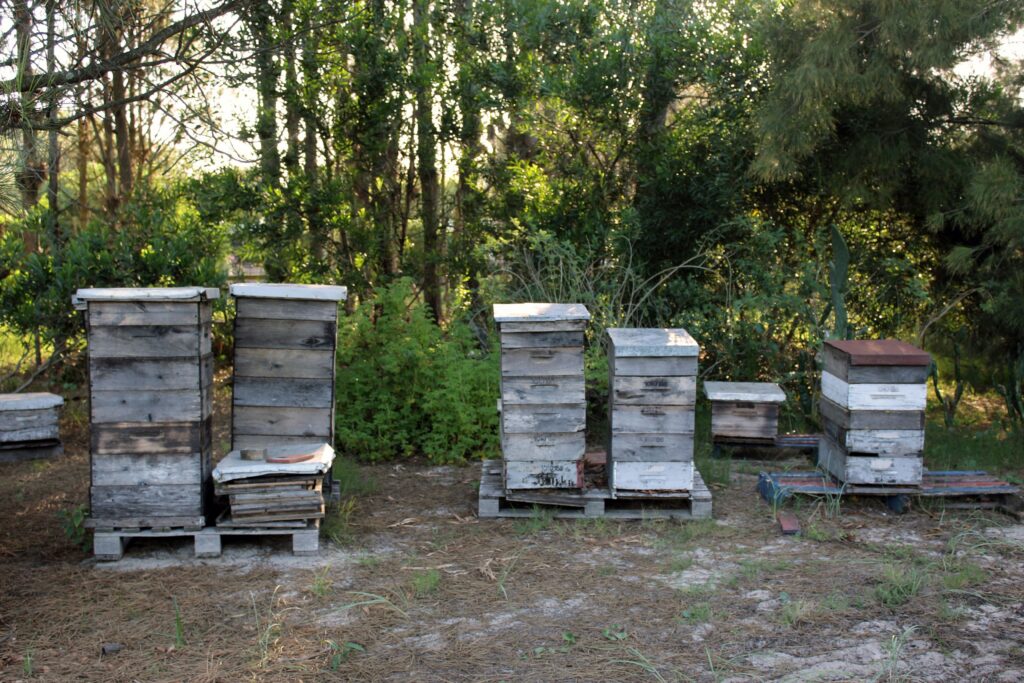
The Langstroth hive remains the industry standard in Australia due to its versatility and ease of management. A complete setup includes:
- Bottom board: The hive floor, preferably with a removable entrance reducer to control access
- Brood box: Usually a full-depth box containing 8-10 frames where the queen lays eggs
- Queen excluder: A grid that prevents the queen from accessing honey supers while allowing worker bees through
- Honey supers: Shallower boxes placed above the brood chamber for honey storage
- Frames and foundation: Pre-waxed sheets that guide bees to build straight honeycomb
- Inner cover and outer lid: Protection against weather elements and pests
Australian-made equipment from sustainably harvested timber is worth the investment for longevity in our harsh climate. Many suppliers offer complete starter kits ranging from $350-$500 for a single hive setup.
Protective Clothing
Your personal safety equipment is non-negotiable when starting out:
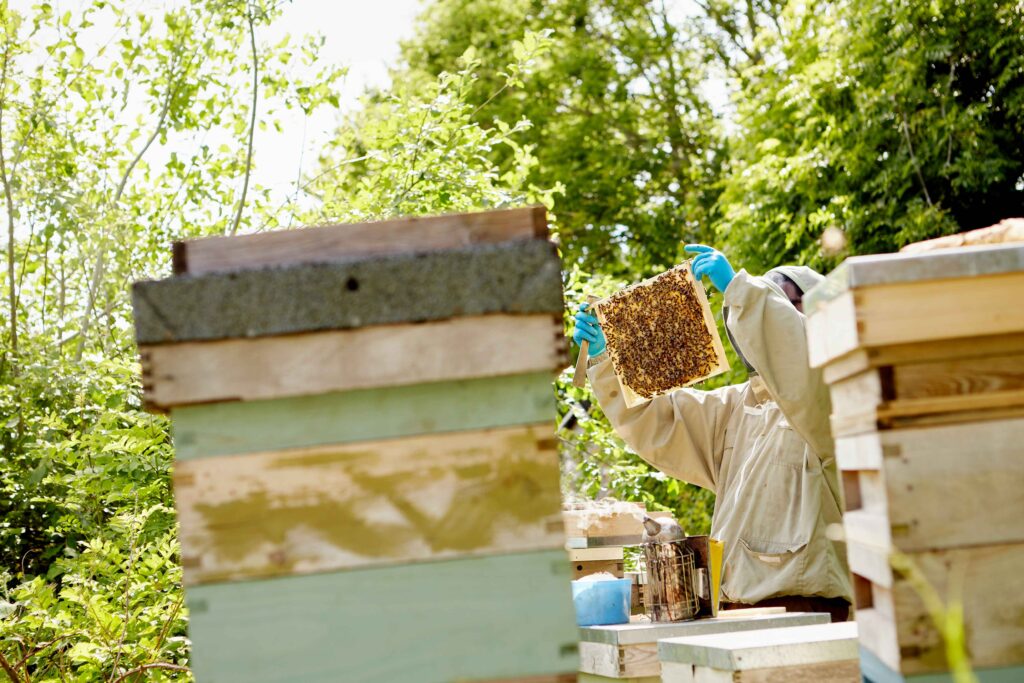
- Full bee suit or jacket: Ventilated options are essential for Australia’s hot climate
- Gloves: Leather or nitrile gloves provide protection while maintaining dexterity
- Veil: Ensures your face and neck remain protected
- Gumboots: To prevent bees from crawling up your legs
As you gain experience and confidence, you may choose to work with less protection in favorable conditions, but beginners should always start with comprehensive gear.
Hive Tools
These specialized implements are essential for hive management:
- Hive tool: A metal lever for separating hive components and frames
- Bee brush: For gently removing bees from frames during inspection
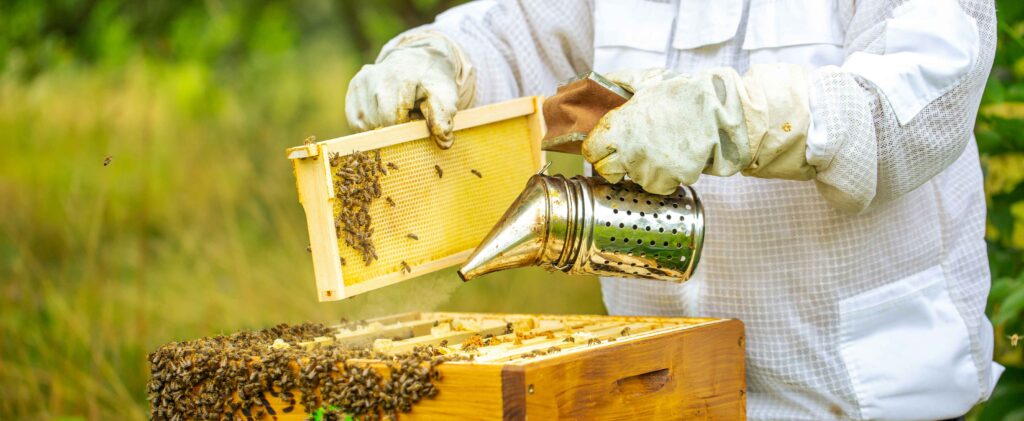
- Smoker: Produces cool smoke that calms bees during hive manipulations
- Frame grip: Helps remove the first frame without damaging bees
Honey Harvesting Equipment
For your first harvest, consider these essentials:
- Uncapping knife or fork: For removing wax cappings from honey cells
- Honey extractor: Hand-cranked models are sufficient for beginners with 1-2 hives
- Food-grade buckets and strainers: For collecting and filtering honey
- Glass jars or containers: For storing the final product
Many beekeeping clubs and associations offer equipment rental or communal use of extractors, which can significantly reduce your initial costs.
Optional but Valuable Additions
As your beekeeping journey progresses, consider:
- Feeders: For supplementing food during establishment or lean periods
- Queen marking kit: Helps identify and track your queen bee’s age
- Nucleus box: A smaller hive unit useful for raising new queens or splitting colonies
- Solar wax melter: For processing beeswax from cappings and old frames
- Refractometer: To test honey moisture content before harvesting
Getting Started: Your First Beekeeping Steps
With the foundational knowledge established, let’s outline a practical roadmap for beginning your beekeeping journey in Australia.
Research and Education Phase
Begin with comprehensive learning:
- Join local associations: The Australian Honey Bee Industry Council can connect you with state and regional beekeeping groups
- Attend workshops: Hands-on learning provides invaluable practical experience
- Find mentors: Experienced beekeepers can provide locale-specific guidance
- Read widely: Australian-focused beekeeping resources address our unique conditions
- Online courses: Several Australian institutions offer structured beekeeping education
Spending 3-6 months in this preparatory phase significantly increases your chances of success.
Legal Requirements and Registration
Beekeeping in Australia requires compliance with:
- Hive registration: Mandatory in all states through respective agriculture departments
- Biosecurity knowledge: Completion of the free online Bee Biosecurity course
- Local council regulations: Check specific restrictions on hive numbers and placement
- National Bee Biosecurity Program: Understanding required inspection and reporting protocols
- Movement restrictions: Awareness of state border requirements for transporting hives
Registration fees are minimal (typically $20-60 annually) and provide essential support for biosecurity programs protecting Australia’s valuable honey bee industry.
Site Selection
Choosing appropriate apiary locations involves considering:
- Sun exposure: Morning sun with afternoon shade is ideal in most Australian regions
- Wind protection: Natural windbreaks reduce stress on colonies
- Water access: Clean water sources within 200-300 meters
- Nectar sources: Diverse year-round flowering plants within foraging range (3-5km)
- Accessibility: Convenient for regular inspections and honey removal
- Neighbor considerations: Positioning hives away from boundaries and high-traffic areas
Many successful backyard beekeepers use simple screens or fencing to direct bee flight paths upward, reducing interactions with neighbors.
Obtaining Bees
Australian beekeepers have several options for acquiring their first colonies:
- Nucleus colonies (nucs): Small established colonies with 4-5 frames including a laying queen ($200-350)
- Package bees: A container of worker bees with a caged queen ($150-250)
- Full colonies: Complete established hives, often on double brood boxes ($350-500)
- Captured swarms: Free but requiring experience and sometimes presenting health risks
For beginners, nucleus colonies from reputable local breeders offer the best balance of cost and reliability, with established patterns of brood production and disease-free certification.
First Year Management Goals
Set realistic objectives for your inaugural beekeeping year:
- Colony establishment: Successfully settling bees in their new hives
- Basic inspection skills: Confidently identifying the queen, brood patterns, and honey stores
- Disease recognition: Learning to spot common issues like chalkbrood or small hive beetle
- Seasonal rhythm: Experiencing the full annual cycle of beekeeping activities
- Community connection: Building relationships with fellow beekeepers for support
Many successful beekeepers recommend starting with two colonies rather than one, allowing for comparison and resource sharing between hives.
When Is Beekeeping Season: The Annual Cycle
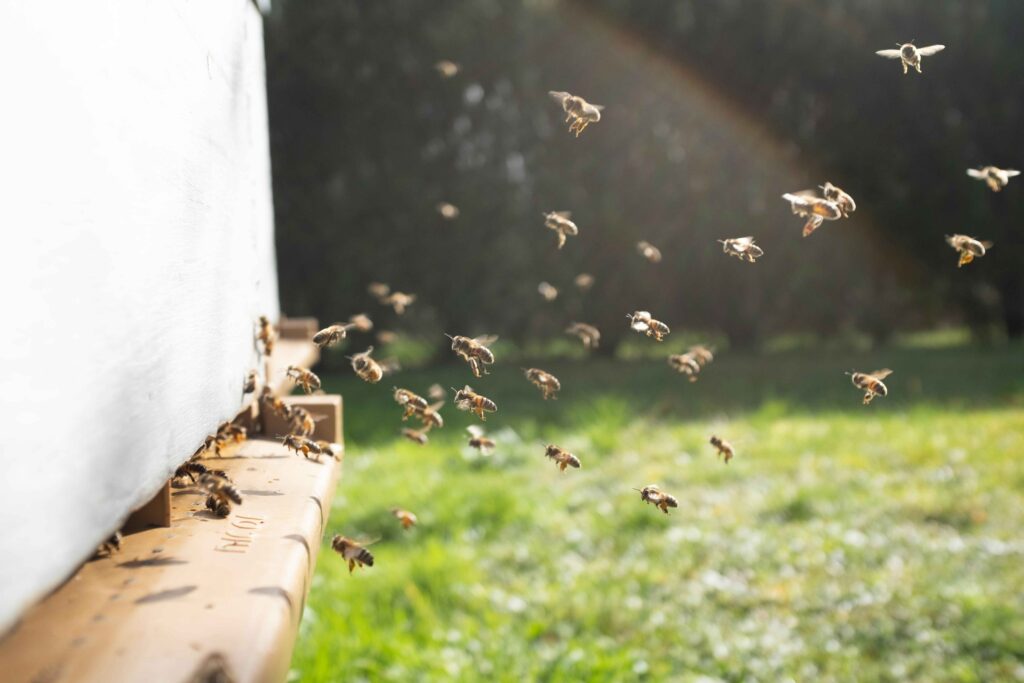
Understanding the seasonal rhythms of beekeeping is essential for successful management. While specific timing varies across Australia’s diverse climate zones, the general pattern follows predictable phases.
Spring (September-November): Expansion Phase
The busiest season for beekeepers features:
- Colony build-up: Rapid population growth as queens increase egg laying
- Swarm management: Preventing or capturing reproductive swarms
- Hive inspections: Regular (every 7-10 days) comprehensive examinations
- Supering: Adding honey storage boxes as colonies expand
- Split creation: Dividing strong colonies to increase hive numbers
- Equipment preparation: Ensuring sufficient boxes for the season’s growth
Spring management focuses on maximising colony strength ahead of major honey flows while preventing swarming that could reduce honey production.
Summer (December-February): Production Phase
The primary honey collection period involves:
- Honey harvesting: Regular extraction of capped honey frames
- Ventilation management: Ensuring adequate airflow during hot weather
- Water provision: Supplying clean water sources near hives
- Varroa mite monitoring: Regular checks despite Australia’s varroa-free status
- Queen performance assessment: Evaluating laying patterns and colony temperament
In warmer regions, extreme heat management becomes critical, with some beekeepers providing afternoon shade or moving hives to cooler locations during heatwaves.
Autumn (March-May): Preparation Phase
This transitional period focuses on:
- Final honey harvest: Removing surplus before winter
- Feeding evaluation: Assessing whether colonies have sufficient stores
- Hive consolidation: Combining weaker colonies for winter strength
- Pest treatment: Addressing any small hive beetle or wax moth issues
- Queen replacement: Requeening colonies with aging or underperforming queens
Autumn management sets the foundation for winter survival, particularly in cooler regions where extended cold periods challenge colony thermoregulation.
Winter (June-August): Maintenance Phase
The quietest beekeeping period features:
- Minimal inspections: Brief checks on food stores and colony health
- Equipment repair: Maintaining and building equipment for the coming season
- Education and planning: Studying and preparing for the year ahead
- Feed supplementation: Providing sugar syrup or candy boards when necessary
- Reduced disease pressure: Taking advantage of broodless periods for pest control
Even during winter, Australian beekeepers in warmer regions may have active colonies requiring occasional management, highlighting the importance of region-specific practices.
Beekeeping When to Harvest Honey: Extracting Your Sweet Reward
The culmination of your beekeeping efforts comes with honey harvesting—a process that requires careful timing and proper technique to maximise both quantity and quality.
Recognising Harvest Readiness
Determining the optimal harvest time involves several indicators:
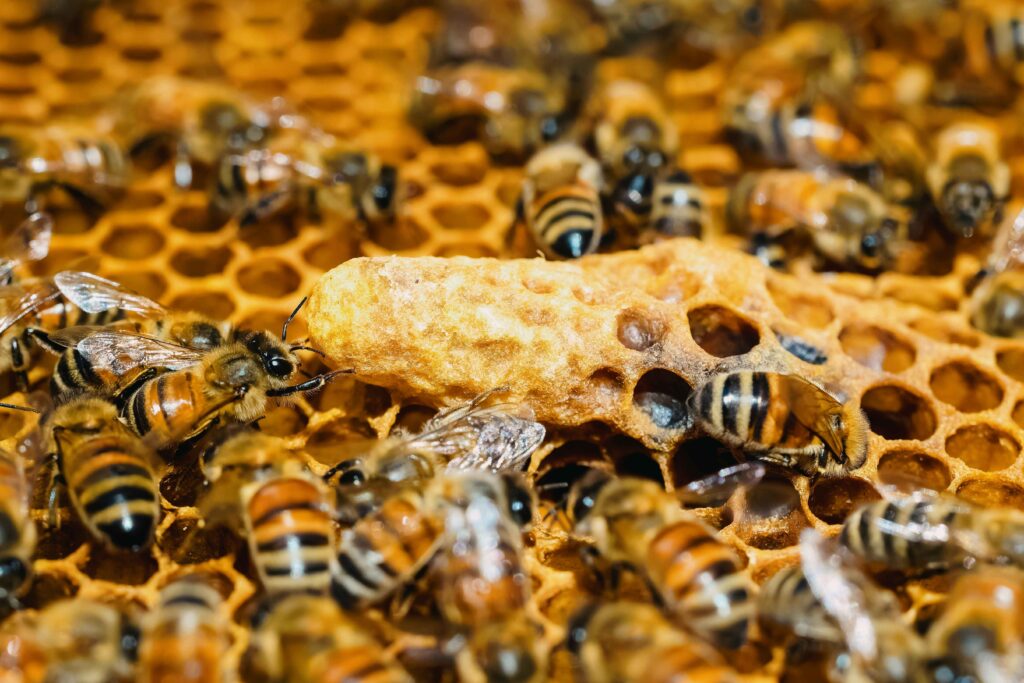
- Capped cells: At least 80% of honey cells should be capped with wax, indicating proper moisture content
- Frame fullness: Frames should be predominantly filled with honey rather than brood
- Honey flow status: Harvesting typically occurs during or immediately after significant flowering events
- Honey ripeness: When shaken, properly ripened honey stays in the cells rather than splashing out
- Color consistency: Even coloration throughout the frame suggests mature honey
In many Australian regions, major harvests occur in late summer (February-March), with potential smaller harvests after specific flowering events throughout the year.
Harvest Process
A methodical approach ensures efficient honey collection:
- Prepare your workspace: Clean, insect-free area with extraction equipment ready
- Remove bees from honey supers: Using bee escapes, brush, or gentle smoke techniques
- Transport frames: Move quickly to prevent robbing behavior from nearby colonies
- Uncap honeycomb: Remove wax cappings with specialized knife or fork
- Extract honey: Spin frames in an extractor to remove honey through centrifugal force
- Filter: Remove wax particles and debris through coarse straining
- Settle: Allow honey to rest 1-2 days for air bubbles to rise
- Bottle: Package in clean, food-grade containers
Many beginners join community extraction days organised by local beekeeping associations, providing access to equipment and experienced guidance.
Post-Harvest Considerations
After extracting honey, attention turns to:
- Honey storage: Keep in airtight containers away from moisture at room temperature
- Frame management: Return wet frames to hives for cleaning or store properly to prevent wax moth damage
- Records: Document yield quantities, honey characteristics, and hive performance
- Equipment cleaning: Thoroughly clean all tools and extraction equipment
- Wax processing: Melt and filter cappings for future use in candles or foundation
Leaving Sufficient Stores
Responsible beekeeping requires leaving adequate honey for colony survival:
- Winter requirements: 8-15kg of honey depending on local climate severity
- Brood nest integrity: Avoiding harvesting from the brood box where the queen lays
- Monitoring food reserves: Regular weight checks to ensure sufficient stores
When natural nectar sources are scarce, ethical beekeepers supplement with sugar syrup rather than taking honey needed for colony survival.
Can Beekeeping Be Profitable: Economic Considerations
The financial aspect of beekeeping varies dramatically depending on your scale, location, and approach. Understanding the economic considerations will help you set realistic expectations and maximise returns.
Small-Scale Profitability
For hobbyists or self-sufficiency advocates with 1-5 hives either in the yard or on a larger piece of land, beekeeping typically functions more as a self-sustaining activity than a significant income source. However, small operations can still generate modest profits through:
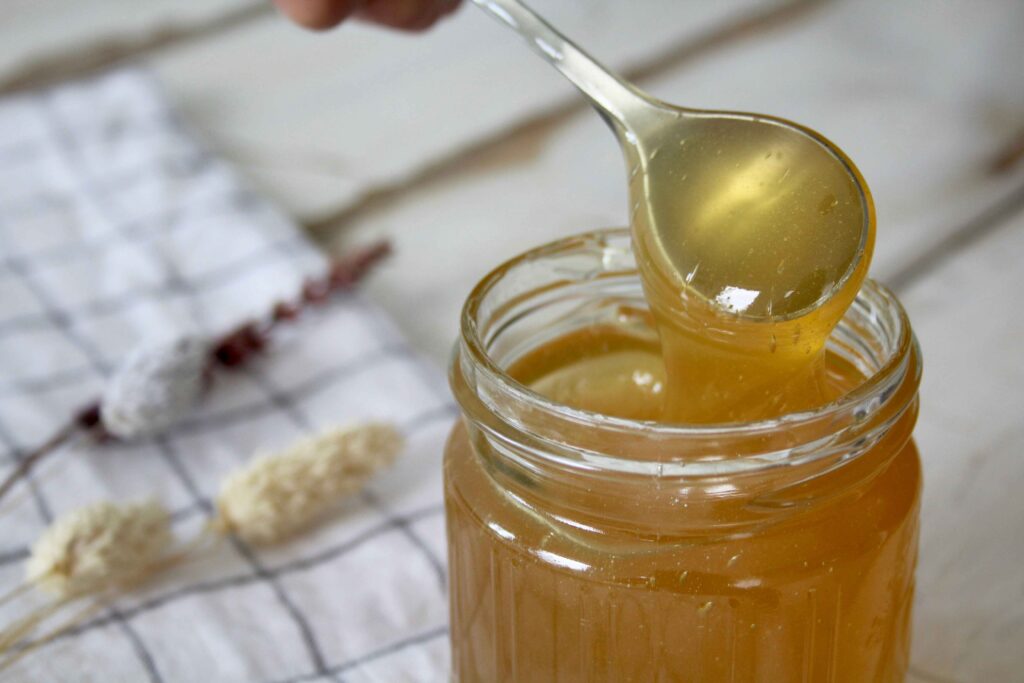
- Premium honey sales: Direct marketing at farmers markets or to local retailers typically yields $15-25 per kilogram for quality Australian honey
- Value-added products: Beeswax candles, food wraps, and specialty items can generate 300-400% returns on raw materials
- Nucleus colonies: Selling small starter colonies to other beekeepers can fetch $200-300 each in spring
A well-managed single hive in a good location can produce 20-40kg of honey annually, potentially generating $400-1,000 in revenue with minimal ongoing costs once established.
Commercial Viability
Scaling to commercial operations (50+ hives) transforms the economic equation significantly:
- Production efficiency: Economies of scale reduce per-hive management costs
- Pollination services: Commercial pollination contracts for almonds, blueberries, and other crops provide reliable income ($100-150 per hive per deployment)
- Wholesale markets: Access to bulk honey buyers becomes possible, though at lower per-kilogram prices
- Specialized products: Opportunities emerge for producing queen bees, royal jelly, and other high-value outputs
Commercial operators typically need 300-500 hives to generate a full-time income, requiring significant capital investment and specialized transport equipment.
Cost Considerations
Realistic financial planning should account for:
- Initial setup: $500-700 per complete hive including bees
- Annual operating costs: $50-100 per hive for treatments, replacement equipment, and consumables
- Labor requirements: 15-20 hours annually per hive for hobby beekeepers
- Transport costs: Significant for operations involving moving hives to follow flowering events
- Processing infrastructure: Honey extraction and packaging equipment costs increase with scale
Maximising Returns
The most successful beekeeping ventures focus on:
- Product differentiation: Marketing varietal honey with distinctive characteristics
- Direct sales channels: Building relationships with consumers who value local produce
- Diversified offerings: Developing multiple revenue streams beyond raw honey
- Value-chain integration: Controlling processing and packaging to capture more margin
- Quality assurance: Maintaining exceptional standards to command premium prices
Can Beekeeping Be a Tax Write-Off: Financial Planning
Beekeeping offers several potential tax advantages, particularly for those who approach it as a genuine business venture rather than merely a hobby. It goes without saying that this is not financial advice, and you should seek advice from a professional if you intend to explore beekeeping more seriously. For the purposes of giving a broad overview, we’ve put together some high level information below.
Business vs. Hobby Classification
The Australian Taxation Office distinguishes between hobbies and businesses based on several factors:
- Profit intention: Evidence of planning for commercial returns
- Business-like operations: Maintaining proper records and systematic approaches
- Commercial scale: Operating with sufficient size to generate meaningful income
- Repeatability: Conducting regular activities consistent with commercial operations
Beekeeping operations that meet these criteria can access significant tax benefits unavailable to hobbyists.
Deductible Expenses
For qualifying beekeeping businesses, deductible expenses typically include:
- Equipment purchases: Hives, extractors, and processing equipment
- Vehicle expenses: Travel to apiaries and markets
- Protective clothing and tools: Necessary items for safe operation
- Consumables: Sugar for feeding, treatments, and packaging materials
- Education and training: Courses, books, and professional development
- Insurance premiums: Liability and equipment coverage
- Land lease costs: Payments for apiary sites
Many beekeepers utilize the instant asset write-off provisions for major equipment purchases, substantially reducing their tax burden in years of capital investment.
Record-Keeping Requirements
To substantiate tax claims, beekeepers should maintain:
- Financial records: Income and expenses organized by category
- Production logs: Tracking hive productivity and honey yields
- Asset register: Documenting equipment purchases and depreciation
- Vehicle logbook: Recording business-related travel
- Apiary records: Hive locations, movements, and management activities
Digital record-keeping systems designed specifically for agricultural enterprises can streamline this process and strengthen compliance.
GST Considerations
Beekeeping businesses with annual turnover exceeding $75,000 must register for GST, while smaller operations may choose voluntary registration to claim input tax credits on purchases.
Seeking Professional Advice
Agricultural accounting specialists can provide tailored advice on:
- Business structure optimization: Sole trader vs. partnership vs. company
- Primary producer status: Accessing specific agricultural tax concessions
- Income averaging: Smoothing tax liability across high and low production years
- Succession planning: Transferring beekeeping assets between generations
A modest investment in professional financial advice typically yields substantial returns through optimised tax planning.
Sustainable Beekeeping Practices: Ethical Considerations
As interest in beekeeping continues to grow across Australia, adopting sustainable practices ensures the activity benefits both the keeper and the wider environment.
Chemical-Free Approaches
Many Australian beekeepers are moving toward reduced chemical management:
- Integrated pest management: Using physical barriers and traps for small hive beetle
- Genetic selection: Choosing hygienic bee strains with natural disease resistance
- Timing manipulations: Working with natural brood breaks to interrupt pest lifecycles
- Hive design modifications: Implementing screened bottom boards and beetle traps
- Regular comb renewal: Replacing brood frames every 3-4 years to reduce disease reservoirs
These approaches align with Australia’s clean, green agricultural reputation and growing consumer preference for chemical-free honey.
Native Bee Conservation
Responsible beekeepers balance honey production with native pollinator support:
- Mixed plantings: Creating gardens that support both honey bees and native species
- Conservation areas: Setting aside undisturbed habitat for native bee nesting
- Stingless bee keeping: Maintaining native Tetragonula or Austroplebeia species alongside honey bee hives
- Responsible hive density: Avoiding overstocking areas with limited floral resources
- Education initiatives: Raising awareness about Australia’s 2,000+ native bee species
This integrative approach recognises the complementary roles of managed honey bees and wild pollinators in creating resilient ecosystems.
Ethical Honey Production
Quality-focused beekeeping emphasizes:
- Minimal processing: Cold extraction and filtration methods that preserve beneficial enzymes
- Harvest timing: Taking honey only when completely ripened by the bees
- Colony welfare: Prioritizing bee health above maximum production
- Transparency: Clear labeling regarding honey origins and production methods
- Community responsibility: Supporting industry research and biosecurity measures
These principles not only produce superior honey but build trust with increasingly discerning consumers.
Australian Honey Varieties: Regional Treasures
Australia produces some of the world’s most distinctive honey varieties, reflecting our unique flora and diverse climate zones.
Eucalypt Honey
Our iconic eucalyptus trees produce remarkably diverse honey profiles:
- Yellow Box (Eucalyptus melliodora): Golden amber with delicate caramel notes and smooth consistency
- Ironbark (Eucalyptus sideroxylon): Dark amber with rich, robust flavor and slow crystallization
- Red Gum (Eucalyptus camaldulensis): Rich color with distinctive malty characteristics
- Stringybark (Eucalyptus species): Typically darker with complex flavor profiles and higher mineral content
Eucalypt honeys often command premium prices in both domestic and export markets due to their distinctive characteristics and medicinal properties.
Other Notable Native Flora Honey
Beyond eucalypts, Australia offers exceptional specialty honey from:
- Leatherwood (Eucryphia lucida): Tasmania’s prized honey with spicy, aromatic qualities
- Macadamia (Macadamia integrifolia): Light, delicate flavor with buttery finish
- Tea Tree (Leptospermum species): High antimicrobial activity similar to New Zealand’s Manuka
- Banksia (Banksia species): Rich amber with distinctive caramel notes
These varietal honeys allow small-scale beekeepers to develop premium niche products based on local flowering events.
Local Terroir Honey
Many successful suburban and small-farm beekeepers focus on:
- Urban honey: Often surprisingly complex due to diverse garden plantings
- Seasonal blends: Marketing spring, summer and autumn harvests with distinctive characteristics
- Orchard and crop honey: Distinctive profiles from avocado, citrus, or canola pollination
- Native garden honey: Promoting honey from indigenous plantings
The growing “food with provenance” movement creates excellent marketing opportunities for honey with strong local identity and storytelling.
Challenges and Solutions for Australian Beekeepers
While beekeeping in Australia offers many advantages, understanding common challenges prepares you for successful management.
Biosecurity Threats
Australia’s relatively disease-free status requires vigilant protection:
- Varroa awareness: Understanding detection methods for this destructive mite that has not yet established in mainland Australia
- Small hive beetle management: Implementing traps and maintaining strong colonies to resist this established pest
- American foulbrood prevention: Practicing hygienic management to avoid this devastating bacterial disease
- Exotic pest recognition: Learning to identify unusual symptoms for early reporting
The National Bee Biosecurity Program provides comprehensive resources for managing these threats, including the mandatory Biosecurity for Beekeepers online course.
Climate Extremes
Australia’s variable climate presents specific management challenges:
- Heat management: Providing shade, ventilation, and water during extended heatwaves
- Fire preparation: Developing evacuation plans for apiary sites in bushfire-prone regions
- Drought strategies: Planning supplementary feeding during extended dry periods
- Flood prevention: Positioning hives on elevated stands in flood-prone areas
Climate-adaptive beekeeping practices become increasingly important as weather patterns become more extreme and unpredictable.
Resource Competition
Growing beekeeper numbers create potential challenges:
- Apiary site access: Securing reliable locations with diverse floral resources
- Market differentiation: Developing unique products in an increasingly crowded honey market
- Nectar availability: Managing during years of poor flowering or drought
- Hobbyist-commercial tensions: Navigating relationships between different beekeeping scales
Industry associations play crucial roles in managing these tensions through education and resource sharing.
Your Beekeeping Journey
Starting beekeeping represents not just the beginning of a productive hobby or business venture but the first step in a lifelong journey of discovery. As you establish your first hives and witness the remarkable social structure of the honey bee colony, you’ll gain a new appreciation for these extraordinary insects and the critical role they play in our food systems and ecosystems.
The initial investment of time and resources in proper equipment, education, and quality bees pays dividends through years of fascinating observations, delicious honey harvests, and the satisfaction of contributing positively to your local environment. Whether your goal is self-sufficiency, environmental stewardship, or commercial expansion, Australia’s diverse landscape and flora provide exceptional conditions for successful beekeeping.
By joining the community of Australian beekeepers, you become part of a tradition stretching back over 200 years—one that continues to evolve through improved practices, scientific research, and renewed appreciation for the humble honey bee. Your apiary, whether a single backyard hive or dozens scattered across the landscape, represents an important contribution to agricultural productivity and biodiversity conservation.
As you don your bee suit for the first time and open a hive to the fascinating world within, remember that every experienced beekeeper began exactly where you are now. With patience, observation, and continued learning, your beekeeping journey promises sweet rewards for many seasons to come.