
Growing Vegetables for Self-Sufficiency
Vegetable gardening is a cornerstone of self-sufficiency, providing fresh, nutritious food while reducing reliance on external supply chains. Whether for personal consumption, livestock feed, or small-scale commercial sale, growing vegetables can be adapted to various climates, soil types, and available space. Understanding the best practices for cultivation, seasonality, and sustainable management is key to success.
Why Grow Your Own Vegetables?
Growing vegetables for self-sufficiency has numerous benefits beyond just food production:
- Nutritional Value: Homegrown vegetables are fresher and often contain more nutrients than store-bought alternatives.
- Cost Savings: Reducing grocery expenses and reliance on commercial food sources can provide significant financial relief.
- Sustainability: Growing your own food decreases carbon footprints by eliminating transportation emissions and reducing packaging waste.
- Food Security: Ensuring a consistent food supply, particularly in uncertain economic or environmental conditions.
- Improved Soil Health: Sustainable growing methods enhance soil fertility and biodiversity, contributing to long-term land viability.
Choosing the Right Vegetables for Self-Sufficiency
Selecting the best vegetables for a self-sufficient garden depends on climate, available space, and dietary preferences. Some vegetables are more resilient and productive than others, making them ideal for self-sufficient living.
Easy-to-Grow Vegetables
- Leafy Greens (Lettuce, Spinach, Kale) – Fast-growing and packed with nutrients.
- Root Vegetables (Carrots, Beets, Radishes) – Store well and thrive in various soil types.
- Legumes (Beans, Peas) – Provide protein and fix nitrogen in the soil for better fertility.
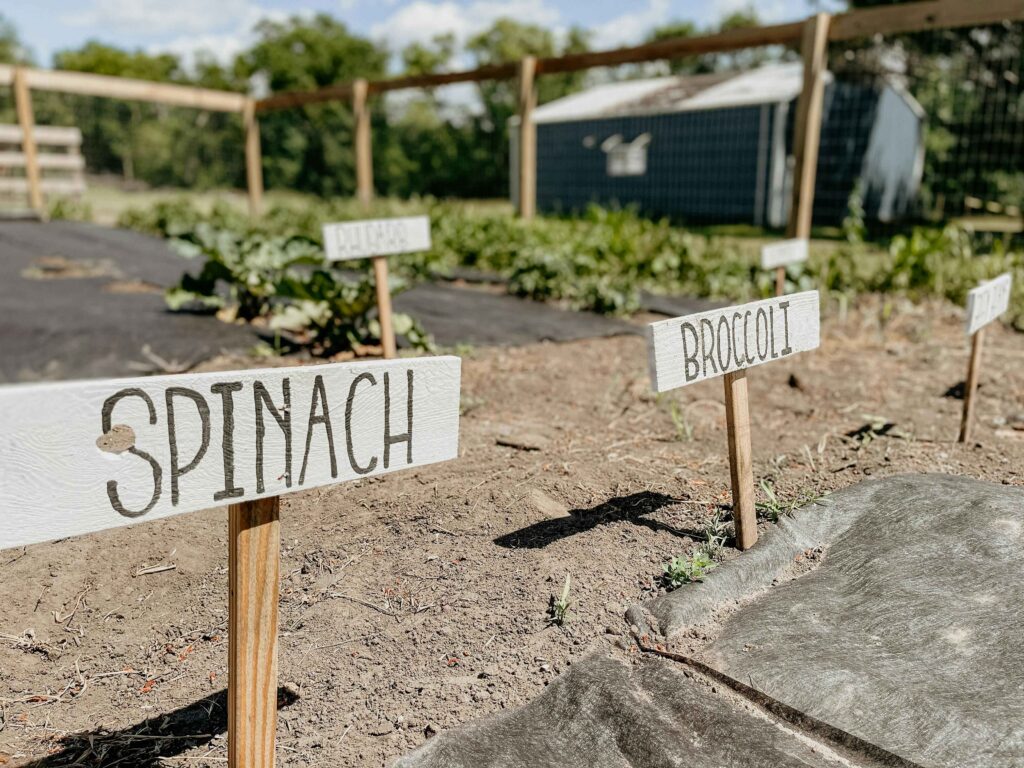
- Brassicas (Cabbage, Broccoli, Cauliflower) – Hardy and productive in cool climates.
High-Yield Vegetables
- Zucchini & Squash – Rapid growth and prolific production.
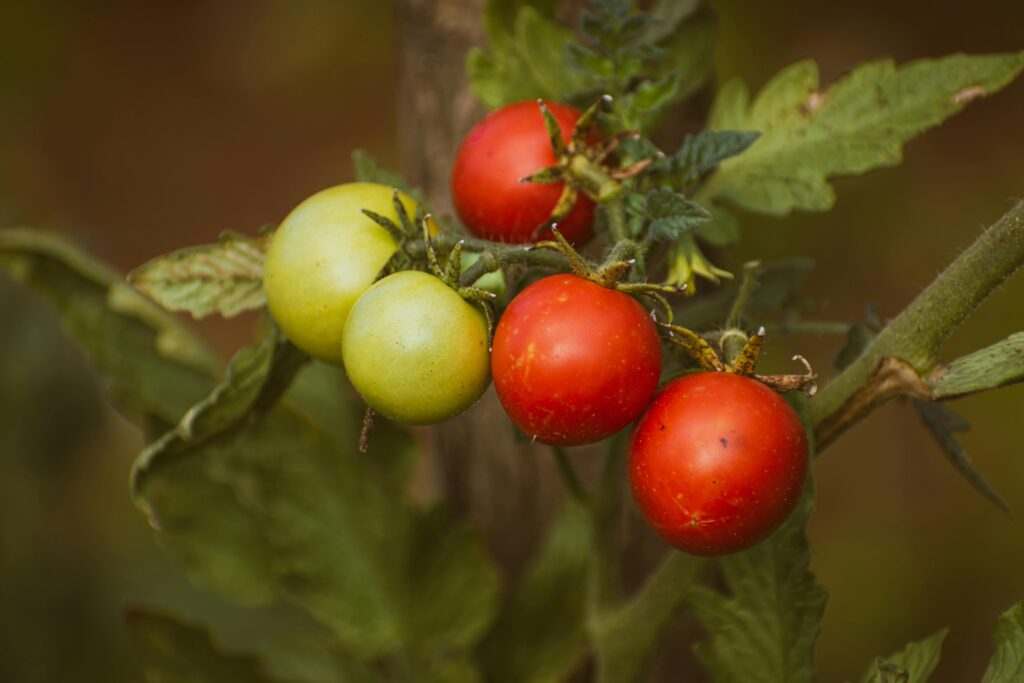
- Tomatoes – Versatile and ideal for fresh eating, sauces, and preservation.
- Potatoes – High-calorie crops that store well over winter.
- Pumpkins – Provide large harvests and can be used for food or animal feed.
Vegetables for Perennial Growth
- Asparagus – Once established, it produces for decades.
- Rhubarb – A resilient and long-lasting crop.
- Perennial Onions & Leeks – Offer a continual source of flavourful ingredients.
Understanding Climate & Seasonality
Australia’s diverse climate zones affect which vegetables thrive and when they should be planted.
Cool Temperate Climates
Best suited for cabbage, kale, carrots, and spinach, which thrive in cooler temperatures. Spring and summer are ideal for growing tomatoes and peppers.
Subtropical & Tropical Climates
Sweet potatoes, taro, eggplant, and okra perform well in warm, humid environments. Shade structures can help protect heat-sensitive plants.
Arid & Semi-Arid Climates
Drought-resistant crops like chickpeas, lentils, and melons are best suited. Mulching and water-efficient methods like drip irrigation are essential.
Soil & Land Considerations
Soil Quality & Preparation
Healthy soil is crucial for successful vegetable gardening. The best soil for vegetables is well-draining, nutrient-rich loam with plenty of organic matter.
- Compost – Regularly add decomposed organic material to boost fertility.
- Mulching – Retains moisture, suppresses weeds, and improves soil health.
- Crop Rotation – Prevents nutrient depletion and reduces pest risks.
Raised Beds vs. In-Ground Planting
- Raised Beds – Improve drainage and soil quality but require more initial setup.
- In-Ground Planting – More space-efficient but needs better weed and pest control.
Watering & Irrigation
Efficient watering methods ensure maximum productivity:
- Drip Irrigation – Reduces water waste and directly hydrates roots.
- Rainwater Harvesting – Sustainable way to store and use natural rainfall.
- Deep Watering – Encourages deep root growth and drought resistance.
Growing & Cultivation Methods
No-Dig Gardening
This approach preserves soil structure and encourages natural soil health. Layers of compost, straw, and mulch allow vegetables to grow with minimal disturbance.
Companion Planting
Planting compatible crops together boosts growth and deters pests:
- Tomatoes & Basil – Enhances flavor and repels pests.
- Carrots & Onions – Helps reduce carrot fly infestation.
- Corn, Beans & Squash – The “Three Sisters” method supports balanced growth.
Vertical Gardening
Ideal for small spaces, climbing vegetables like cucumbers, peas, and beans can be trained on trellises.
Greenhouse & Polytunnel Growing
Extends growing seasons and protects from extreme weather, making it useful for delicate crops.
Managing Pests & Diseases Naturally
Avoiding chemical pesticides is essential for sustainable vegetable production. Natural methods include:
- Neem Oil & Garlic Spray – Effective organic deterrents.
- Beneficial Insects – Encouraging ladybugs and lacewings for pest control.
- Physical Barriers – Row covers and netting to protect against caterpillars and birds.
- Crop Rotation – Reduces disease risk by altering planting locations annually.
Harvesting & Post-Harvest Storage
When to Harvest
Each vegetable has an optimal harvesting time to ensure maximum flavor and nutrition.
- Leafy Greens – Pick young leaves for tenderness.
- Root Vegetables – Check maturity by pulling a sample.
- Fruiting Vegetables – Tomatoes, zucchini, and cucumbers should be picked at peak ripeness.
Storing & Preserving Vegetables
Proper storage prevents spoilage and waste:
- Root Cellaring – Ideal for potatoes, carrots, and pumpkins.
- Dehydration – Long-term storage method for herbs and fruits.
- Fermentation – Creates probiotic-rich foods like sauerkraut and kimchi.
- Canning & Freezing – Preserves summer harvests for year-round use.
Sustainable Practices & Long-Term Productivity
Seed Saving
Preserving open-pollinated and heirloom varieties ensures a continual seed supply and improves plant adaptation to local conditions.
Rotational Grazing Integration
If animals are part of the homestead, rotating vegetable plots with grazing areas can enhance soil fertility.
Composting & Waste Reduction
Turning food scraps and garden waste into compost enriches soil, reducing the need for synthetic fertilizers.
Climate and Seasonal Considerations
Different vegetables thrive in different climates, and understanding the growing conditions in Australia is crucial for successful cultivation.
Warm-Climate Vegetables
Regions with hot summers and mild winters are well suited to:
- Eggplant – Loves warm soil and long summers.
- Okra – Thrives in heat and humidity.
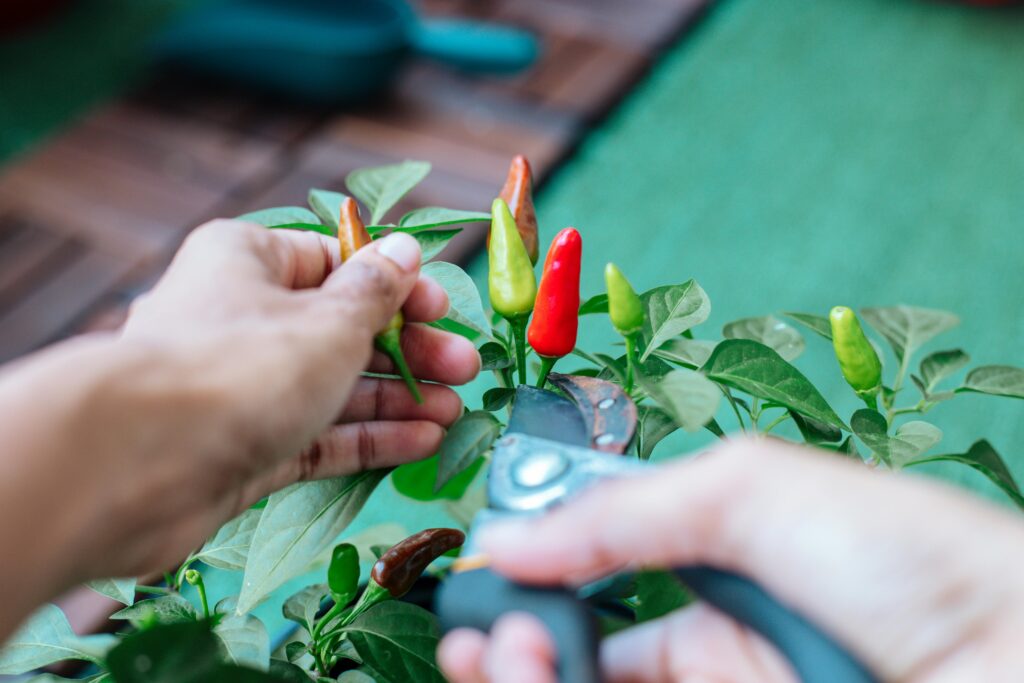
- Chilies and capsicums – Require long, warm seasons.
Cool-Climate Vegetables
If you live in a temperate or cooler climate, these options are ideal:
- Broccoli and cauliflower – Thrive in cooler temperatures.
- Brussels sprouts – Require a long growing season with cool conditions.
- Peas – Prefer cooler seasons and can tolerate frost.
Year-Round Growing Techniques
To maintain year-round production, consider:
- Greenhouses and polytunnels – Extend the growing season.
- Shade cloths – Protect against extreme heat.
- Row covers and frost cloths – Prevent frost damage.
Specific Growing and Cultivation Methods
Different vegetables require specific approaches to maximize yield and quality.
Root Vegetables
- Deep, loose soil encourages proper growth.
- Hilling techniques help potatoes develop underground.
Leafy Greens
- Succession planting ensures continuous harvests.
- Shade cloths prevent bolting in hot weather.
Nightshades (Tomatoes, Peppers, Eggplants)
- Staking and trellising support plants and improve air circulation.
- Pruning lower leaves prevents disease spread.
Growing vegetables for self-sufficiency provides security, nutrition, and independence. By selecting the right crops, managing soil health, and implementing sustainable practices, individuals and families can build a resilient food system tailored to their environment. Whether growing for personal use, animal feed, or small-scale commercial ventures, cultivating vegetables is a valuable skill that supports long-term self-reliance.