
Growing Grass & Pasture for Self-Sufficiency
Grass is one of the most versatile and valuable crops for a self-sufficient lifestyle. Whether used for feeding livestock, soil improvement, erosion control, or even human consumption, grasses play a critical role in sustainable agriculture. Choosing the right varieties and managing them effectively can contribute to a productive, resilient homestead or farm.
Why Grow Grass for Self-Sufficiency?
Growing grasses on a self-sufficient property offers multiple benefits, including:
- Livestock Feed – Grass is a primary source of nutrition for grazing animals such as cattle, sheep, goats, and poultry.
- Soil Health – Deep-rooted grasses improve soil structure, prevent erosion, and increase organic matter.
- Sustainable Land Use – Well-managed grasslands require less input than many conventional crops.
- Forage Diversity – Different grasses provide year-round grazing and nutritional variety for livestock.
- Monetization – Surplus hay or seed can be sold as an additional income stream.
- Edible Grains – Some grasses, such as wheat, barley, and millet, produce grains that can be harvested for human consumption.

Types of Grasses for Self-Sufficient Farming
Different types of grasses serve various purposes. Understanding their characteristics ensures you plant the most suitable varieties for your needs.
1. Perennial vs. Annual Grasses
- Perennial grasses (e.g., ryegrass, fescue) provide long-term forage with minimal replanting.
- Annual grasses (e.g., millet, sorghum) grow quickly but need reseeding each season.
2. Cool-Season vs. Warm-Season Grasses
- Cool-season grasses (e.g., clover, ryegrass) thrive in cooler months and offer early-spring and late-fall grazing.
- Warm-season grasses (e.g., Bermuda, sorghum) grow in hot climates and maintain productivity in summer.
3. Grasses for Specific Purposes
- For livestock grazing – Timothy, alfalfa, and brome provide excellent nutrition.
- For erosion control – Perennial ryegrass and fescue establish strong root systems.
- For hay production – Orchard grass, clover, and alfalfa create dense, high-quality hay.
- For human consumption – Wheatgrass, barley, and sorghum yield edible grains and nutritious juice.
Climate, Land, and Soil Considerations
Selecting the right grass species depends on your regional climate, soil type, and land use objectives.
1. Climate Adaptation
- Temperate Climates – Perennial ryegrass, orchard grass, and clover perform well.
- Tropical & Subtropical Climates – Bermuda grass, Napier grass, and guinea grass are ideal.
- Dry Climates – Buffalo grass and Sudan grass withstand drought conditions.
2. Soil Requirements
- Loamy Soils – Most grasses grow well in loamy soils, which offer a balance of sand, silt, and clay.
- Sandy Soils – Drought-tolerant grasses like Bermuda and brome thrive.
- Clay Soils – Tall fescue and switchgrass can adapt to compacted, heavy soils.
- Acidic or Alkaline Soils – Some grasses, like orchard grass, tolerate a wide pH range.
3. Land Use and Pasture Management
- Rotational Grazing – Moving livestock through different paddocks prevents overgrazing.
- Cover Cropping – Planting nitrogen-fixing legumes like clover alongside grasses enhances soil fertility.
- Strip Grazing – Managing grass intake with fencing maximizes regrowth.
How to Grow and Maintain Grasses
1. Preparing the Soil
- Test soil pH and nutrient levels before planting.
- Add compost or organic matter to improve fertility.
- Ensure good drainage, especially for pasture grasses.
2. Seeding and Establishment
- Choose a grass seed mix based on your climate and intended use.
- Sow seeds evenly using a seed spreader.
- Keep the soil moist during germination.
3. Maintenance and Regeneration
- Fertilization – Apply natural fertilizers, such as manure or compost tea, to promote growth.
- Mowing & Grazing – Regular cutting encourages new shoots and prevents weeds.
- Irrigation – In dry regions, supplemental watering may be necessary.
- Weed & Pest Control – Introduce beneficial insects or companion plants to deter pests naturally.
Harvesting and Storing Grass-Based Crops
1. For Livestock Feed
- Grazing – Animals eat fresh grass directly in pastures.
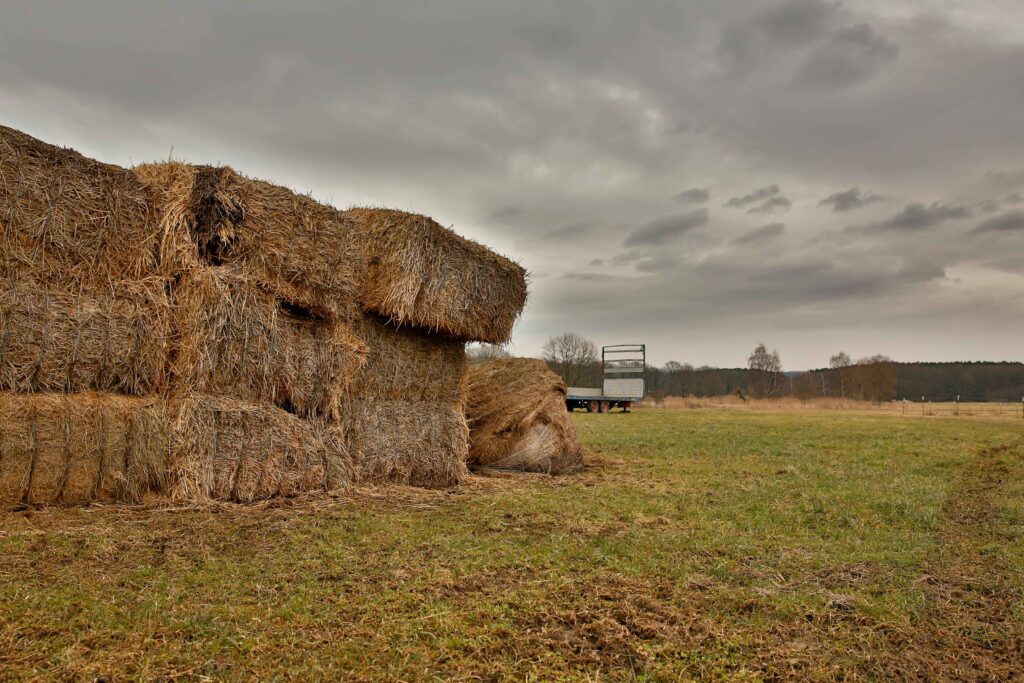
- Hay Production – Cut, dry, and store hay for use during winter or drought.
- Silage – Fermented grass provides high-energy feed for dairy and beef cattle.
2. For Human Consumption
- Grain Harvesting – Some grasses produce grains that can be milled into flour or used as whole grains.
- Juicing & Sprouting – Wheatgrass and barley grass are commonly consumed for their high nutrient content.
3. Seed Saving and Propagation
- Harvest mature grass seed for reseeding future pastures.
- Store seeds in cool, dry conditions to maintain viability.
Sustainable Grassland Management Practices
1. Avoiding Overgrazing
- Implement rest periods for pastures to allow grasses to recover.
- Rotate livestock between paddocks to prevent soil depletion.
2. Encouraging Biodiversity
- Mix different grass species to create resilient, balanced ecosystems.
- Integrate legumes for natural nitrogen fixation.
3. Soil Conservation Techniques
- Plant cover crops to reduce soil erosion and improve fertility.
- Use swales and contour planting to manage water runoff.
4. Enhancing Carbon Sequestration
- Healthy grasslands store carbon in root systems, helping combat climate change.
- Minimize tillage to protect soil carbon levels.
Economic Opportunities with Grass Cultivation
For those looking to monetize their grass cultivation efforts, there are several profitable avenues:
- Hay Sales – Selling excess hay to local farmers and livestock owners.
- Seed Production – Harvesting and selling high-quality grass seeds for pastures and lawns.
- Composting Material – Turning grass clippings into valuable compost.
- Eco-Tourism & Conservation – Using well-managed grasslands for nature-based activities.
Growing grasses for self-sufficiency offers numerous benefits, from feeding livestock to improving soil health and even providing human food sources. With proper planning, sustainable management, and the right choice of grass species, you can create a resilient, productive homestead. Whether for pasture, hay, grains, or environmental conservation, grasses are a cornerstone of a successful self-sufficient lifestyle.