
Growing Grains for Self-Sufficiency
Grains are a vital part of a self-sufficient farm or homestead, providing a steady source of food for humans, livestock, and even as a potential cash crop for commercial purposes. Grains such as corn, wheat, barley, oats, and rice have been cultivated for thousands of years and are foundational to feeding populations across the world. Understanding how to grow and harvest grains successfully can greatly enhance your homestead’s ability to produce its own food, reduce reliance on external sources, and create economic opportunities.
In this guide, we’ll delve into the essential considerations for growing grains on your homestead, including the types of grains to grow, the reasons for growing them, how to cultivate them, and the specific soil, climate, and seasonal needs for each type. Whether you are looking to grow grains for personal consumption, livestock feed, or even for market sales, this guide will provide the information you need to get started.
Why Grow Grains?
There are several key reasons why growing grains is an important aspect of self-sufficiency:
- Human Consumption: Grains such as wheat, corn, and rice are staple foods and provide essential carbohydrates, fiber, and energy. When grown on your homestead, they offer a reliable source of nutrition and reduce your dependency on store-bought food.
- Livestock Feed: Many grains, including corn and oats, are excellent sources of feed for livestock. Growing your own grain ensures that your animals receive nutritious, cost-effective feed, reducing reliance on commercial animal feeds and fostering healthier animals.
- Economic Value: For those looking to sell their grain products, grains like wheat, barley, and oats are highly marketable. Whether you’re selling bulk grain to local mills or producing flour, bread, or other value-added products, grains provide a versatile crop with the potential for income generation.
- Soil Health: Grains like wheat and corn can play an essential role in crop rotation systems. Their deep root systems help improve soil structure, and some grains, like legumes (which are often grown as a grain crop), can fix nitrogen in the soil, improving fertility for subsequent crops.
Types of Grains to Grow
The types of grains you choose to grow will depend on several factors including climate, soil quality, and what you plan to use the grain for. Below are some of the most common grains grown on self-sufficient farms.
1. Corn (Maize)
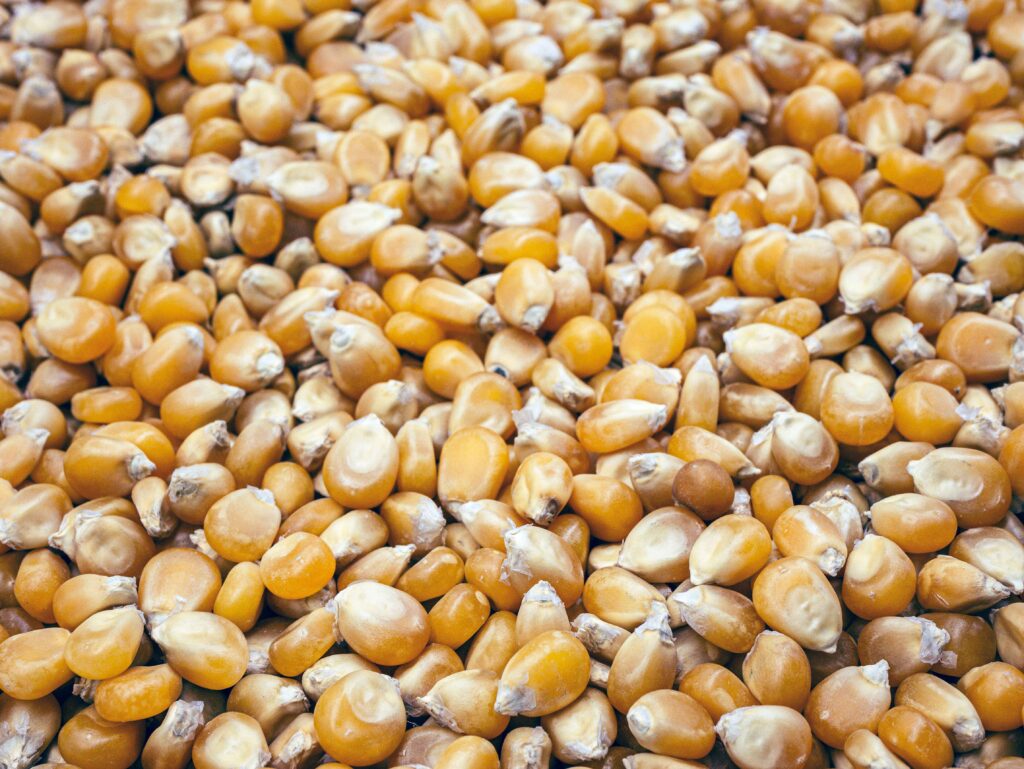
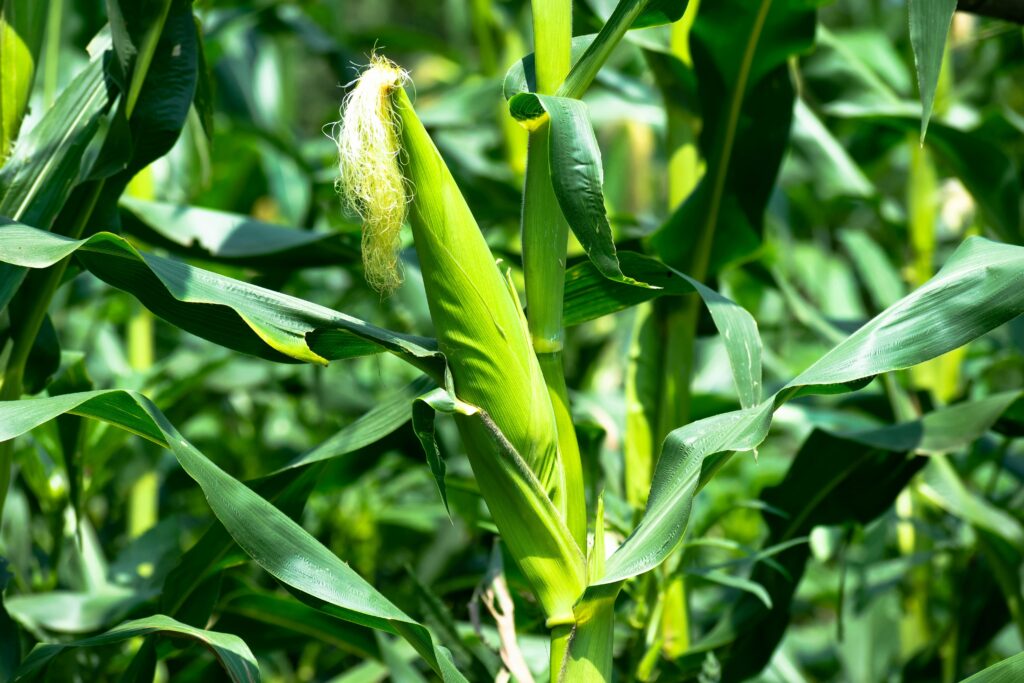
Corn is one of the most widely grown grains, both for food and for animal feed. Corn can be used for human consumption in the form of cornmeal, flour, or as fresh corn on the cob. It is also used to produce syrup and oil, and can serve as a valuable livestock feed. Corn is especially well-suited to warm climates, though it requires a long growing season.
- Uses: Human consumption (cornmeal, corn syrup, popcorn), livestock feed, biofuel production.
- Climate: Warm climates with long, hot summers.
- Soil: Prefers deep, loamy, well-drained soil.
- Growing Tips: Corn requires a sunny location with plenty of space for the plants to grow tall. It should be planted after the last frost date and spaced adequately to allow for growth. Ensure consistent moisture during the growing season.
2. Wheat
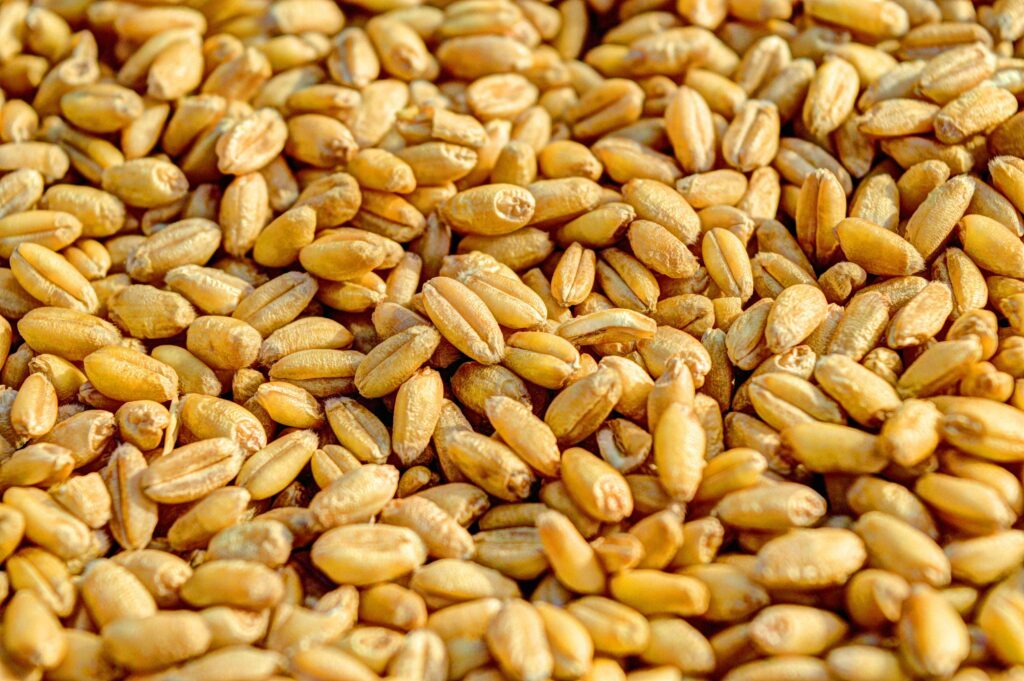
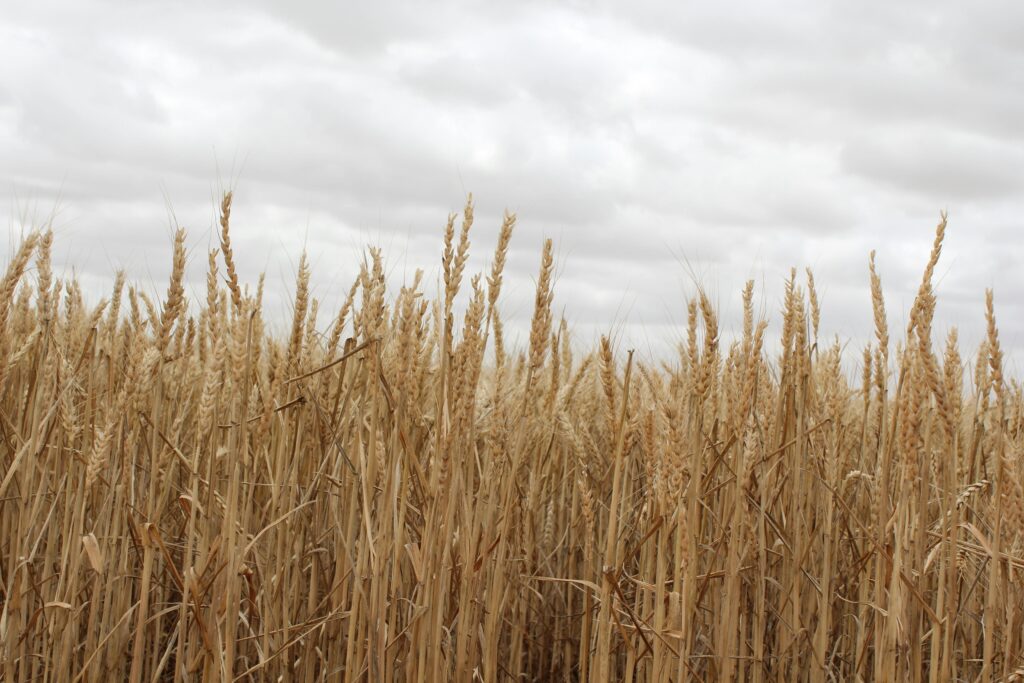
Wheat is one of the oldest cultivated grains and remains a staple crop worldwide. It can be used to make flour for baking bread, pasta, and other products. Wheat can also be used as livestock feed, though it is often grown primarily for human consumption.
- Uses: Flour production, animal feed, baking.
- Climate: Thrives in temperate climates with cool to mild summers.
- Soil: Prefers well-drained soil with good fertility.
- Growing Tips: Wheat can be sown in either spring or autumn, depending on the climate. It requires adequate moisture during germination and flowering, but does not tolerate waterlogged soil. Harvesting is done when the grains are hard and dry.
3. Barley
Barley is a versatile grain that can be used for a variety of purposes, including brewing beer, making soups and stews, and as animal feed. It is also often used as a cover crop to improve soil quality and control erosion.
- Uses: Brewing, animal feed, food products, soil improvement.
- Climate: Prefers cooler temperatures and is well-suited for growing in regions with cold winters.
- Soil: Tolerates a wide range of soil types, though it prefers well-drained, fertile soil.
- Growing Tips: Barley grows quickly and can be planted in early spring or late autumn. It does well in areas with moderate rainfall or irrigation. Make sure to plant barley in soil that does not retain excessive moisture, as this can cause disease.
4. Oats
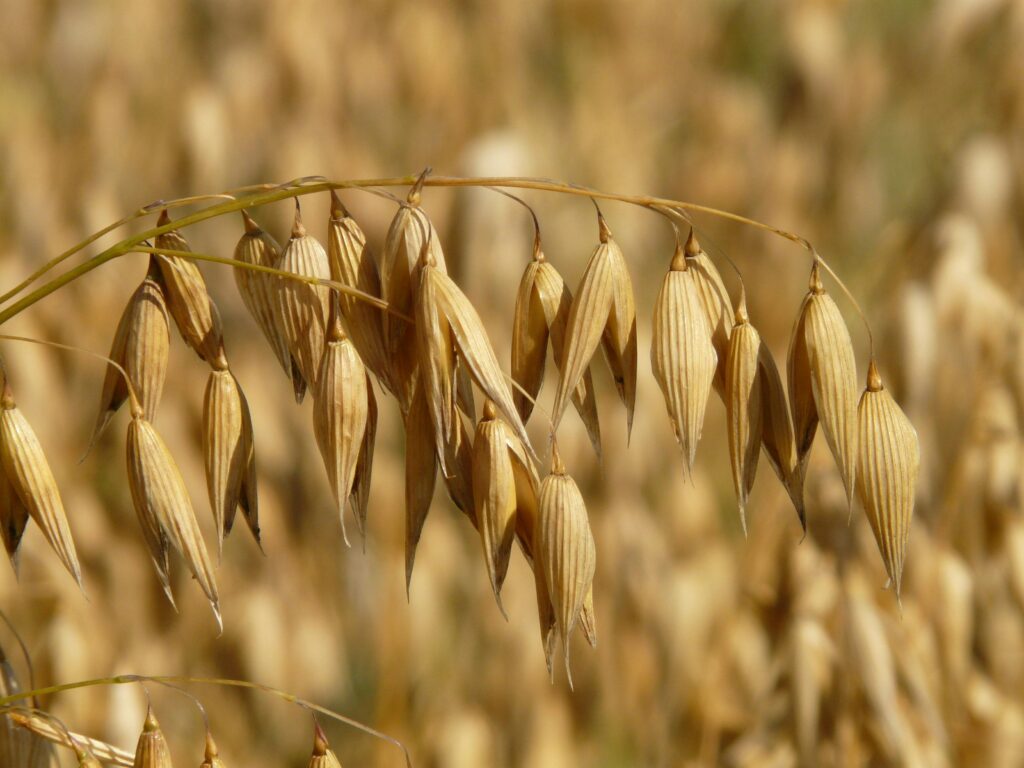
Oats are another popular grain, commonly used in breakfast foods, granola, and as a base for livestock feed. Oats grow well in cooler climates and are often included in crop rotations to help prevent soil erosion.
- Uses: Oatmeal, animal feed, flour, and as a cover crop.
- Climate: Best suited for cooler climates with mild to cool summers.
- Soil: Prefers slightly acidic to neutral, well-drained soil.
- Growing Tips: Oats can be grown in a variety of soil types but grow best when temperatures are moderate. They are typically sown in early spring and can be harvested in late summer. Oats need plenty of water throughout their growing season but should not be waterlogged.
5. Rice
Rice is a staple food crop in many parts of the world and can be grown in paddies or dry land systems, depending on the variety. In Australia, rice is typically grown in areas with ample water, as it is a water-intensive crop.
- Uses: Human consumption, livestock feed, and industrial uses.
- Climate: Warm, humid climates with a long growing season.
- Soil: Prefers flooded soils, though dryland varieties are available.
- Growing Tips: Rice requires abundant water for irrigation, especially during the growing phase. It can be grown in low-lying fields or in raised beds with proper irrigation systems. Harvesting occurs when the grains are dry and hard.
Climate and Seasonality Considerations
Grains are seasonal crops that are sensitive to climate and environmental conditions. The timing of sowing and harvesting plays a crucial role in the success of your grain crops. Here’s how climate affects grain growth:
- Warm Climates: Grains such as corn, rice, and sorghum thrive in regions with hot summers and long growing seasons. These crops need full sun and warm soil to germinate and grow properly.
- Cooler Climates: Grains like oats, barley, and wheat do best in regions with cool to mild summers. These grains can tolerate frost and are typically planted in early spring or late autumn.
- Seasonality: Grain crops typically require a growing season of several months to mature. Depending on your climate zone, you may need to plan for multiple planting seasons (e.g., spring and autumn) or staggered plantings to ensure a continuous harvest.
Soil and Land Considerations
The soil quality on your farm will significantly affect your grain production. Different grains have specific soil preferences, but most grains require well-drained, fertile soils to grow efficiently.
- Loamy Soil: Loam is considered ideal for most grains as it provides the perfect balance of moisture retention and drainage. It is also rich in nutrients, which grains need to grow.
- Clay Soil: Clay-heavy soils may need to be amended with organic matter, such as compost, to improve drainage and prevent waterlogging. While some grains like barley and wheat can tolerate clay soils, they may need additional care.
- Sandy Soil: Sandy soils drain quickly and may not hold enough nutrients for grains. They can be improved with the addition of compost and mulch.
- pH Levels: Most grains grow best in soils with a pH of 6 to 7, though oats and some legumes can tolerate slightly more acidic soils.
Cultivation Methods for Grains
The cultivation methods you choose will depend on the type of grain you are growing, the available resources, and the growing conditions on your land. Here’s a breakdown of cultivation techniques that can be applied to different grains.
1. Corn Cultivation
Corn is a warm-season crop that requires a lot of space and consistent care throughout its growing season. Here are some key tips for growing corn successfully:
- Planting Depth and Spacing: Corn should be planted about 1.5–2.5 cm deep and spaced 20–30 cm apart. If you are planting in rows, space the rows 75–100 cm apart to allow for proper airflow and room for the plants to grow tall.
- Irrigation: Corn requires consistent moisture, particularly during the pollination phase. Using a drip irrigation system or soaker hoses ensures water is directed to the base of the plants, preventing waterlogged soil and reducing weed growth.
- Pollination: Corn is wind-pollinated, so ensure that your planting area allows for adequate airflow to move pollen from one plant to another. Planting in blocks (rather than single rows) helps increase pollination success.
2. Wheat Cultivation
Wheat grows best in temperate regions with a cooler climate. To grow wheat effectively, consider the following tips:
- Soil Preparation: Wheat requires well-drained soil, so it’s essential to till the soil to break up compaction and improve drainage. Add organic matter such as compost to enhance soil fertility.
- Sowing Time: Wheat can be sown in spring or autumn depending on your region. Winter wheat is typically sown in autumn and harvested in late spring or early summer, while spring wheat is sown in early spring and harvested in late summer.
- Weed Control: Wheat is vulnerable to weeds early in the growing season, so using mulches or shallow cultivation can help keep weeds under control. However, it’s important not to disturb the soil too much, as wheat has a shallow root system.
3. Barley Cultivation
Barley is relatively easy to grow and is well-suited for a variety of climates, including those with colder winters. Here’s how to cultivate barley effectively:
- Planting Depth and Spacing: Barley should be planted at a depth of 2–3 cm and spaced 15–25 cm apart. Planting in rows is common, with about 30 cm between rows to provide sufficient space for the plants.
- Soil and Fertilization: Barley grows best in well-drained, fertile soil. Add balanced fertilizer before planting to encourage robust growth. Barley can tolerate slightly acidic soils but will thrive best in neutral pH soil.
- Moisture: Barley doesn’t require as much water as other grains, but it does benefit from regular moisture during the germination and early growing phases. Excessive moisture can lead to disease, so ensure that the soil has good drainage.
4. Oats Cultivation
Oats are typically grown in cooler climates, making them ideal for temperate regions. Here are some tips to help you grow oats:
- Planting and Spacing: Oats should be planted about 2.5 cm deep and spaced 10–15 cm apart. Ensure that rows are at least 30 cm apart to allow for proper airflow and room for the plants to grow.
- Soil Health: Oats perform best in fertile, well-drained soils with a slightly acidic to neutral pH. Before planting, ensure that the soil has sufficient organic matter to improve nutrient retention.
- Watering: While oats are relatively drought-tolerant, they require consistent moisture during their growing season, especially during the early stages of germination and growth. Avoid overwatering, as this can lead to mold and mildew issues.
5. Rice Cultivation
Rice is typically grown in areas with ample water resources, as it requires flooded conditions for optimal growth. Here’s how to grow rice effectively:
- Water Management: Rice needs to be grown in paddy fields or flooded beds. If you are growing rice in a dryland system, ensure that you have an efficient irrigation system in place. The fields should remain flooded for most of the growing season.
- Soil Fertility: Rice grows best in clay-heavy, nutrient-rich soils that retain water well. Before planting, amend the soil with organic matter to improve fertility. Rice is sensitive to soil pH, so make sure it falls within the ideal range of 5.5–6.5.
- Planting Density: Rice should be planted in rows, with a spacing of about 15–20 cm between plants. If you are growing rice in flooded paddies, planting in small clusters can improve yields.
Harvesting Grains
Harvesting grains is a delicate process, as it requires timing to ensure the crop is collected when it’s at its peak. Here’s what to consider when harvesting different types of grains:
- Corn: Harvest corn when the kernels are firm and the husks are dry. For corn intended for eating, the ears should be fully developed, and the silk should be brown. If you are harvesting for seed, ensure the kernels are hard and dry before removing them from the cob.
- Wheat: Wheat is ready for harvest when the grain heads are golden and the kernels are firm to the touch. Cut the stalks when the majority of the heads are mature, leaving a small amount of green in the field for later harvesting. The grain should be threshed (separated from the husks) soon after harvest to prevent moisture damage.
- Barley: Barley is typically harvested when the heads turn golden and the kernels are firm. Like wheat, barley should be threshed soon after harvesting to avoid moisture buildup.
- Oats: Oats are ready for harvest when the seeds are firm and the plant begins to yellow. For best results, wait until the seeds are fully mature before harvesting.
- Rice: Rice is ready for harvest when the grains have turned golden brown and the seeds are firm. Cut the stalks and allow them to dry before threshing.
Storing Grains
Proper storage of harvested grains is essential to maintain their quality and prevent spoilage. Here are some best practices for storing grains:
- Drying: After harvesting, it’s essential to dry grains thoroughly to prevent mold or mildew growth. Spread the grains out in a well-ventilated area or use a grain dryer if available.
- Storage Containers: Store dried grains in airtight containers to protect them from pests and moisture. Grain storage bins, sealed jars, or Mylar bags with oxygen absorbers are ideal for long-term storage.
- Storage Location: Grains should be stored in a cool, dry place, away from direct sunlight and humidity. A basement or cool pantry is ideal for most grains. If you live in a humid climate, consider using a dehumidifier or airtight containers to keep moisture levels low.

Sustainable Grain Farming Practices
Sustainable farming practices are essential to maintaining soil health, conserving resources, and minimising the environmental impact of grain cultivation. Here are some strategies for growing grains in an environmentally friendly manner:
- Crop Rotation: Rotate your grain crops with legumes or cover crops to improve soil fertility and reduce pest pressure.
- Composting: Use compost to enrich your soil and reduce the need for chemical fertilizers.
- Water Conservation: Use drip irrigation or other water-efficient methods to minimize water waste and ensure your grain crops receive the right amount of moisture.
- Minimise Chemical Inputs: Reduce reliance on synthetic pesticides and fertilisers by using organic farming practices, such as integrated pest management (IPM) and natural fertilisation techniques.