
Saltwater Shellfish Farming for Self-Sufficiency
Farming saltwater shellfish offers a sustainable and rewarding method for enhancing self-sufficiency on your homestead or small farm. With the growing interest in eco-friendly food production and the increasing demand for seafood, saltwater shellfish farming presents an opportunity to raise nutritious, high-value products with minimal environmental impact. Whether for personal consumption, commercial sales, or as a means of fostering local biodiversity, saltwater shellfish farming is becoming an increasingly viable option for Australians seeking to live more sustainably.
Here we will give a high level overview of growing and raising saltwater shellfish in Australia, offering insight into the different types of species, methods of farming, and the costs and considerations associated with starting and maintaining a farm. Whether you are interested in shellfish farming for food production, improving water quality, or generating extra income, this page will give you the foundational knowledge you need to succeed in the industry.
Types of Saltwater Shellfish for Farming
Several species of shellfish thrive in Australia’s diverse coastal waters, each suited to different farming techniques, climates, and market demands. Saltwater shellfish are an excellent choice for those interested in cultivating seafood with a low environmental impact, as they filter the water and require minimal feeding once established. Below are some of the most commonly farmed saltwater shellfish species in Australia:
Oysters
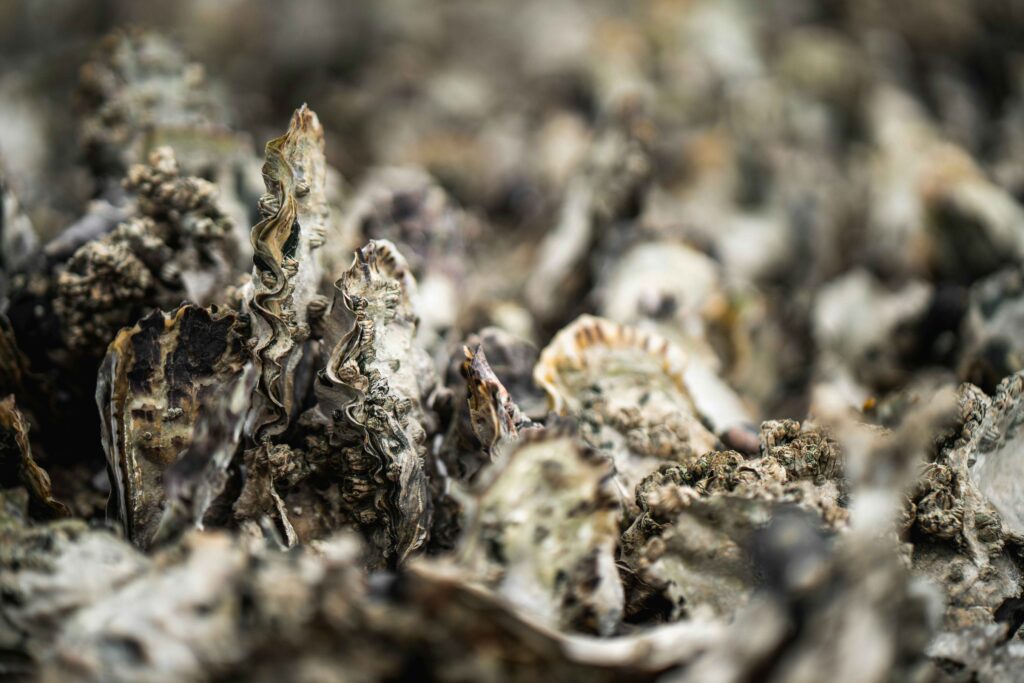
Oysters are one of the most popular and widely farmed shellfish species globally, and Australia is no exception. The two main species of oysters farmed in Australia are the Sydney Rock Oyster and the Pacific Oyster. Both species thrive in Australia’s clean, nutrient-rich waters, and they are an ideal choice for small-scale farmers or larger commercial operations. Oysters are filter feeders, meaning they naturally clean the water as they feed, making them a sustainable choice for farming.
Mussels
Mussels are another excellent option for saltwater shellfish farming. They are hardy, fast-growing, and can be farmed in both sheltered estuarine waters and open oceans. Mussels, like oysters, are filter feeders that improve water quality, making them a valuable species in aquaculture. The Blue Mussel is the most commonly farmed species in Australia and is highly sought after in both local and international markets.

Clams
Clams are highly prized for their sweet, tender meat and are farmed in various regions of Australia. The Pipi and Mud Cockle are the most common clam species farmed in Australian waters. They are often farmed in sandy or muddy coastal areas and can be raised in relatively shallow waters. Clams are another species that filter feed, contributing to the overall health of the ecosystem in which they are farmed.

Scallops
Scallops are a sought-after delicacy and are farmed in both warm and cold Australian waters. The Australian Scallop (also known as the Southern Sea Scallop) is the most common species farmed. These shellfish require specific farming conditions, including clean, cold waters and a steady supply of plankton. They are typically farmed in suspended systems that allow them to filter feed in the water.

Reasons for Farming Saltwater Shellfish
There are several compelling reasons to farm saltwater shellfish, whether for personal use, commercial purposes, or environmental benefits. Here are some of the key motivations for choosing to farm saltwater shellfish on your homestead:
Self-Sufficiency and Food Security
One of the main reasons people choose to farm shellfish is to provide a reliable and sustainable food source. Shellfish are an excellent source of protein, vitamins, and minerals, and they can be consumed fresh, smoked, or preserved. By farming shellfish, you can ensure that your family has access to a steady supply of high-quality seafood without relying on commercial sources.
Economic Opportunity
For those seeking to generate income from their farming efforts, saltwater shellfish farming presents a profitable venture. Shellfish are in high demand both locally and internationally, with oysters, mussels, and scallops commanding high market prices. The growing popularity of sustainable and locally sourced seafood means that there is significant potential for profit. Additionally, shellfish farming is often more accessible and requires less investment than other types of aquaculture, making it an attractive option for small farmers or homesteaders looking to diversify their income streams.
Water Quality Improvement
Shellfish farming plays an important ecological role in maintaining healthy water quality. As filter feeders, oysters, mussels, clams, and scallops naturally purify the water by removing excess nutrients and suspended particles. This makes shellfish farming a win-win for both the farmer and the environment, as it helps to mitigate the impacts of pollution and eutrophication (excess nutrients leading to algal blooms) in coastal areas.
Pest Control
Some types of shellfish farming can serve as a form of natural pest control. For instance, mussels can be used in areas where algae or other plankton species are overabundant. By consuming these excessive plankton, shellfish can reduce the risk of harmful algal blooms, which can be detrimental to both aquatic ecosystems and human health. Farming shellfish can also help prevent the growth of unwanted marine species by naturally maintaining the balance of the ecosystem.
How to Grow and Raise Saltwater Shellfish
Raising saltwater shellfish can be done in a variety of ways, from large commercial farms to small homestead operations. The farming methods will depend on the species you are raising, the size of your operation, and the conditions of the water where you are farming. Below are the key steps and considerations for successfully growing and raising shellfish:
Site Selection
The first step in establishing a saltwater shellfish farm is choosing the right location. The site should have access to clean, well-oxygenated water, and it should be free of contaminants such as heavy metals, pollutants, and excessive nutrients. The area should also be free from predators such as birds, crabs, and fish that may harm your shellfish.
Setting Up Farming Infrastructure
The infrastructure required for farming shellfish will vary depending on the species and the scale of your operation. Common farming methods include:
- Longlines: Used mainly for oysters and mussels, longlines are suspended horizontal ropes that allow shellfish to grow freely while filtering water.
- Rafts: Floating platforms used for growing shellfish, particularly mussels and oysters, in shallow waters.
- Bottom Farming: This method involves placing shellfish directly on the ocean floor, often used for clams or scallops that grow best in sandy or muddy environments.
Stocking and Growing
Once your farming infrastructure is set up, you can begin stocking your shellfish. Shellfish are typically stocked as juvenile larvae or spat (the stage before they mature). The stocking density will vary depending on the species and farming method. After stocking, the shellfish will grow by filtering plankton from the water. You will need to regularly monitor their health, water quality, and growth to ensure they are thriving.
Harvesting
Shellfish farming requires patience, as most species take several months to a few years to reach harvestable size. For example, oysters may take 18-24 months to grow to market size, while mussels can take around 12-18 months. Harvesting techniques vary, but most shellfish are collected by hand or using mechanical harvesting methods. Once harvested, shellfish should be cleaned, sorted, and stored properly to maintain freshness.

Equipment and Materials for Saltwater Shellfish Farming
To ensure the success of your saltwater shellfish farming venture, you will need specific equipment and materials. Here’s a list of essential items:
Farming Equipment
- Ropes, Longlines, and Nets: These are essential for hanging shellfish in suspension.
- Floating Rafts or Cages: Used for oysters and mussels.
- Harvester Tools: Depending on your method, these tools will assist in harvesting shellfish.
Water Quality Monitoring Tools
- Oxygen and pH Meters: Monitoring the quality of the water is essential for healthy shellfish.
- Salinity Meters: Shellfish species have specific salinity requirements.
Storage and Transportation
- Storage Bins or Tanks: For storing harvested shellfish.
- Transportation Equipment: If selling commercially, ensure proper handling and transport equipment to maintain freshness.

Costs and Financial Considerations for Saltwater Shellfish Farming
Starting a saltwater shellfish farm requires upfront investment, and ongoing maintenance costs should also be considered. The financials of shellfish farming can vary greatly depending on the species, scale of operation, and chosen farming methods. However, the cost of entry into shellfish farming is typically lower than many other forms of aquaculture, making it a viable option for small-scale operations or homesteads looking to integrate shellfish farming into their self-sufficiency plans.
Initial Costs:
- Site Selection and Preparation
The cost of site preparation will depend on the location, water quality, and necessary permits. It’s important to factor in the cost of surveying the land or waterbody to ensure it meets the requirements for your chosen species. While coastal land may be more expensive, estuarine or inland water bodies may be more affordable. Additionally, there may be costs associated with improving water flow, ensuring proper oxygen levels, or installing equipment for water monitoring. - Farming Infrastructure
Setting up farming infrastructure (e.g., longlines, floating rafts, or cages) will require an investment in the necessary materials and equipment. Depending on the species and farming method, these costs can range from a few hundred to several thousand dollars. The cost will also vary based on the scale of your operation and the technology used. - Shellfish Stocking (Spat or Larvae)
The cost of purchasing juvenile shellfish to begin your farming venture will depend on the species and the quantity you intend to stock. For example, a starter kit of juvenile oysters or mussels can cost anywhere from a few dollars per individual to hundreds of dollars for larger quantities, depending on market prices and availability.
Ongoing Costs:
- Labor and Management
Managing a saltwater shellfish farm requires time and effort for day-to-day operations, including monitoring the shellfish, managing water quality, and maintaining equipment. For small homesteads, labor costs might be minimal, but for larger operations, you may need to hire workers or pay for specialised services, which could increase ongoing expenses. - Maintenance and Supplies
The materials used to construct and maintain your farming infrastructure will need to be replaced or repaired periodically. This includes ropes, nets, rafts, and cages, which may need maintenance or replacement depending on wear and tear. Additionally, costs associated with water quality monitoring equipment and consumables (e.g., fuel for equipment, or spare parts) should be accounted for. - Harvesting and Post-Harvest Processing
Harvesting shellfish involves time and effort, and for commercial operations, you may need specialized equipment or labor to efficiently collect, clean, and store the shellfish. Costs for post-harvest handling, including sorting, packaging, and transportation, should also be factored in. For homestead farms, costs will be lower but should still be considered for efficient harvesting and storage.
Revenue and Profitability
Saltwater shellfish farming can be a profitable venture, with various potential income sources based on the species farmed and your intended market. Oysters, mussels, and scallops typically have high market demand, and farmed shellfish are often sold at premium prices due to their sustainability.
In general, oyster farms can generate a return on investment relatively quickly (18–24 months for market-sized oysters), while mussels, clams, and scallops might take longer to reach harvestable size. Keep in mind that market prices can fluctuate based on demand, but with a consistent supply, a shellfish farm can provide a steady income stream.
Best Regions in Australia for Saltwater Shellfish Farming
Australia’s diverse coastlines offer excellent opportunities for saltwater shellfish farming. The specific species you choose to farm, as well as the farming method, will determine the best location for your operation. The climate, water quality, and ecological conditions are key factors that can affect the success of shellfish farming.
New South Wales
The coastline of New South Wales (NSW) is known for its clean waters and high-quality shellfish farming opportunities. The Sydney Rock Oyster, native to NSW, is farmed in several regions along the coast. Areas such as Port Stephens, Pittwater, and Hawkesbury River are renowned for their ideal conditions for oyster farming. Mussels and scallops are also farmed in the cooler waters of southern NSW.
Tasmania
Tasmania is considered one of the best regions for shellfish farming, particularly oysters and mussels. The cold, clean waters and nutrient-rich environment provide ideal conditions for shellfish growth. Areas such as D’Entrecasteaux Channel, Storm Bay, and Bruny Island are known for their high-quality shellfish farming. Pacific Oysters and Blue Mussels thrive in these waters, and the state’s robust shellfish industry exports to international markets.
Victoria
Victoria’s coastlines, especially in areas like Port Phillip Bay, Western Port, and Lake Victoria, offer great potential for saltwater shellfish farming. The Angasi Oyster and Pacific Oyster are farmed in these regions, benefiting from the clean, cold waters that are characteristic of this part of Australia. Additionally, clams and scallops are farmed in the bays and estuaries of Victoria, where the water conditions suit their growth needs.
Queensland
Queensland’s tropical and subtropical waters make it a suitable region for shellfish farming, particularly oysters and mussels. Hervey Bay, Cairns, and the Whitsundays are some of the prime locations for oyster farming in Queensland. The warm waters here allow for faster growth rates, although care must be taken to avoid extreme heat and ensure proper water quality monitoring. Queensland is also home to several clam farms along its coastlines, particularly in areas like Moreton Bay.
Western Australia
Western Australia (WA) is another region with strong potential for shellfish farming, especially around Shark Bay and Albany. Oysters, including the Pacific Oyster, are farmed in these areas, benefiting from the cold, clean waters. Mussels and scallops are also farmed in parts of WA, particularly in areas where the conditions mirror those of other shellfish farming hotspots.
Environmental and Sustainability Considerations
Sustainability is at the core of saltwater shellfish farming, making it an environmentally friendly aquaculture practice. Shellfish farming contributes to maintaining healthy aquatic ecosystems by filtering water and reducing the impact of nutrient pollution. However, there are still important environmental considerations to keep in mind:
Water Quality Monitoring
Regular monitoring of water quality is essential to ensure the health of your shellfish. Factors such as salinity, temperature, oxygen levels, and the presence of pollutants all play a role in the growth and well-being of shellfish. Shellfish are sensitive to changes in water conditions, so proper management is necessary to maintain optimal farming conditions.
Species Selection
Choosing the right species for your farm is critical to ensuring that your operation is environmentally sustainable. Native species, such as the Sydney Rock Oyster and Angasi Oyster, are more resilient and better suited to Australian conditions than non-native species. Ensuring that you use species suited to your region will reduce the risk of introducing invasive species that could disrupt local ecosystems.
Sustainable Practices
As with any form of farming, it is important to practice sustainable methods to minimize your impact on the environment. Using eco-friendly materials, reducing waste, and avoiding the use of chemicals or pesticides will ensure that your shellfish farm remains sustainable for years to come.
By keeping these environmental factors in mind, you can establish a saltwater shellfish farm that not only provides a valuable food source but also contributes positively to the health of the marine ecosystem.
