
Saltwater Fish Farming for Self-Sufficiency
Saltwater fish farming is an increasingly popular option for individuals looking to achieve self-sufficiency in their food supply while promoting sustainable practices. By raising saltwater fish, whether for personal consumption, profit, or both, individuals can create a reliable and high-quality protein source that minimizes dependence on external food supply chains. For those in coastal or semi-coastal regions, this form of aquaculture can be a rewarding and viable option.
Here, we’ll provide a comprehensive overview of saltwater fish farming, including the types of fish suitable for farming, equipment and setup requirements, feeding, water management, and much more. Whether you’re a hobbyist or aiming for a more commercial operation, this information will serve as a foundational resource to help you navigate saltwater fish farming in Australia.
Why Saltwater Fish Farming is Valuable for Self-Sufficiency
Saltwater fish farming offers a variety of benefits for self-sufficiency, including providing a consistent source of nutritious food, promoting local economies, and reducing the environmental impact of traditional fishing methods.
Reliable Food Source
Farming saltwater fish provides an ongoing, predictable supply of food. Unlike wild-caught fish, which are subject to the fluctuations of natural populations, saltwater fish farms allow for controlled environments, where fish can be raised and harvested on a consistent schedule. This means you can have fresh, high-quality fish available for consumption year-round.
Sustainability and Environmental Benefits
Saltwater fish farming, when done responsibly, can offer an eco-friendly alternative to traditional fishing practices, which often deplete fish populations and harm ecosystems. By using closed-loop systems, you can minimize the ecological footprint of your farming operation. Additionally, sustainable farming practices, such as low-impact feed and water management techniques, contribute to a healthier environment.
Economic Potential
For those interested in taking their farming efforts further, saltwater fish farming can be a profitable venture. With the right setup and management, it’s possible to supply local markets with fresh fish or even export them. As demand for sustainable seafood increases, a well-run fish farming operation can become a lucrative enterprise.
Health Benefits
Fish is an excellent source of lean protein, omega-3 fatty acids, and essential vitamins and minerals. By farming saltwater fish, you can provide yourself and your family with fresh, nutrient-dense meals. Additionally, knowing the conditions under which the fish were raised ensures higher standards of quality and safety compared to commercially bought fish.
Types of Saltwater Fish for Farming
The types of fish you choose to farm will depend on several factors, including your goals (e.g., personal consumption or commercial profit), local climate, and the size of your operation. Below are some of the most popular saltwater fish species raised in aquaculture:
Barramundi
Barramundi is one of Australia’s most popular fish species for farming. Known for its mild flavour and firm texture, it is a highly marketable fish. Barramundi thrives in warm, tropical waters and can be farmed in coastal ponds or tanks. It’s well-suited to Australia’s northern and tropical regions, making it an ideal choice for aquaculture in these areas.
Snapper
Another highly sought-after fish, snapper is farmed commercially for its sweet, white flesh and mild flavour. Snapper farms typically operate in large, coastal systems, where the fish are raised in controlled saltwater environments. While snapper can be farmed in most coastal regions of Australia, it thrives best in warm, temperate waters, making areas such as southern Queensland and northern New South Wales ideal.
Tuna
Tuna farming is a more complex and capital-intensive form of aquaculture but can be highly profitable for commercial operations. Bluefin tuna and other species are typically farmed in large ocean pens. Tuna farming is best suited to large-scale operations in areas with deep, temperate waters, such as the Southern Ocean or parts of Tasmania.
Mullet
Mullet is a hardy, fast-growing fish that is well-suited for farming in saltwater environments. It is typically raised for its roe (used in the production of fish eggs) and meat. Mullet farms can be found in a range of coastal areas in Australia, from the temperate waters of Victoria to the tropical zones of Queensland.
Grouper
Known for its firm, rich flavour, grouper is another popular species for saltwater fish farming. It is commonly farmed in coastal aquaculture systems and can be raised in cages or tanks. While groupers are adaptable to different conditions, they prefer warmer waters, making northern Queensland an excellent area for farming this species.

Farming Saltwater Fish – Key Considerations
Farming saltwater fish involves much more than simply releasing juvenile fish into water. Successful saltwater fish farming requires careful planning, infrastructure, and ongoing management. Here are some key factors to consider when raising saltwater fish on your farm.
Water Conditions and Temperature
Saltwater fish are highly sensitive to water conditions, including temperature, salinity, and oxygen levels. Each species has its ideal temperature range, and it is crucial to maintain these parameters for the health and growth of the fish. Most species prefer a stable temperature between 20°C and 28°C, but there are exceptions. For example, barramundi prefers warmer water (up to 30°C), while snapper thrives at slightly cooler temperatures.
Water Circulation and Aeration
Proper water circulation is essential to ensure that the fish have access to oxygen-rich water. In large-scale saltwater fish farming, this is typically achieved through pumps and aerators. In smaller systems, such as tanks, air stones or water pumps can help provide adequate oxygen levels. Ensuring sufficient water movement will also help to reduce the buildup of waste and maintain a healthy aquatic environment.
Feeding and Nutrition
The nutritional requirements of saltwater fish vary by species. Most farmed saltwater fish are carnivorous, so they require a diet rich in protein, which is often supplied through commercial fish pellets. However, some species, such as barramundi and mullet, may also consume plant matter, such as algae or small crustaceans, as part of their diet. It is crucial to provide a balanced diet to promote healthy growth, and to avoid overfeeding, which can lead to water contamination and waste.
Health and Disease Management
Maintaining the health of your fish is one of the most critical aspects of aquaculture. Regular monitoring for signs of illness, parasites, or injury is essential. A healthy environment with clean water and appropriate food will reduce the risk of disease. In larger-scale operations, antibiotics or other treatments may be used, but these should be applied judiciously to avoid resistance and preserve water quality. For smaller or self-sustaining farms, maintaining biosecurity and proper water management will go a long way in preventing disease outbreaks.
Shelters, Equipment, and Materials for Saltwater Fish Farming
To set up a saltwater fish farming operation, you’ll need certain equipment and infrastructure. This includes facilities for housing fish, providing clean water, and harvesting the fish.
Fish Tanks or Ponds
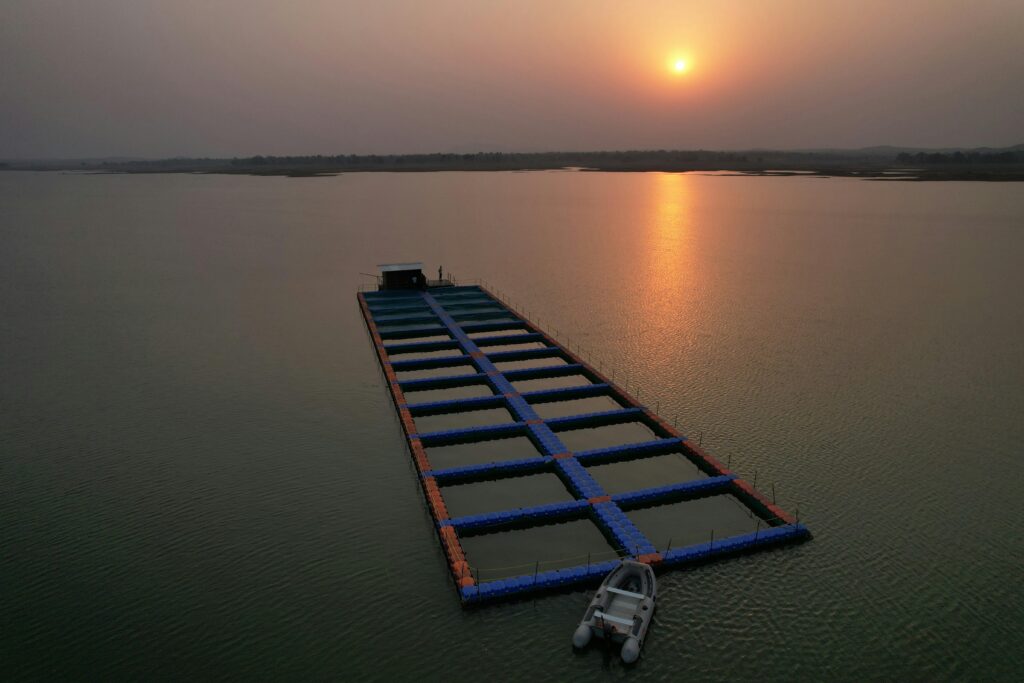
In smaller-scale operations, fish tanks can be used to raise saltwater fish, especially in regions where suitable coastal waters are not available. For larger farms, you’ll need to invest in outdoor ponds or ocean pens. Ponds should be large enough to allow the fish to swim freely, while ocean pens should be equipped with sturdy netting to contain the fish and protect them from predators.
Water Pumps and Aerators
To maintain water flow and oxygen levels, water pumps and aerators are essential. These systems will ensure that the water remains clean and that the fish have enough oxygen to thrive. Pumps can be powered by electricity or, in more sustainable setups, by renewable energy sources such as solar or wind.
Filtration Systems
A good filtration system is necessary to maintain water quality. Mechanical filters remove solid waste, while biological filters help break down organic material and reduce harmful toxins. Depending on the size of your operation, you may need additional equipment like UV sterilizers to control harmful microorganisms in the water.

Scaling Your Saltwater Fish Farming Operation
Once you’ve established the foundation for your saltwater fish farming operation, the next step is scaling it to meet your goals. Whether you’re farming for personal consumption or aiming to expand into a commercial venture, scaling requires careful planning, investment, and adjustments to your systems.
Increasing Stock Density
As your farm grows, you may want to increase the number of fish you’re farming. Increasing stock density can be done by expanding your water systems or improving the efficiency of existing tanks or ponds. However, it’s crucial to balance the density with the available space, as overcrowding can lead to stress, disease, and poor growth rates. Consider upgrading aeration and filtration systems to accommodate higher fish populations.
Expanding Infrastructure
Larger operations will require additional infrastructure, such as more tanks, larger ponds, or more extensive netting for ocean pens. When expanding, consider the accessibility of water sources and ensure that the site remains manageable. For commercial operations, having reliable transportation for harvesting and delivering fish will be crucial. Additionally, you may need more labor or machinery for feeding, monitoring, and maintaining the systems.
Diversifying Species
For those looking to expand their offerings, diversifying the species farmed can be a smart move. This allows you to meet a broader market demand and hedge against potential issues with a particular species. However, diversifying requires more management and knowledge of different fish species’ needs. Careful planning of water conditions, nutrition, and space allocation is essential.
Regional Considerations for Saltwater Fish Farming in Australia
Australia’s diverse coastal regions present unique opportunities and challenges for saltwater fish farming. Understanding which species thrive in different parts of the country is key to successful farming. Let’s take a look at some of the best regions in Australia for saltwater fish farming:
Northern Queensland
Northern Queensland, with its tropical and subtropical climate, is ideal for species like barramundi and mullet. These species thrive in warmer water temperatures, and the region’s extensive coastline and availability of freshwater systems make it an excellent location for setting up aquaculture systems. Queensland is also home to several well-established aquaculture industries, particularly in the Cairns and Townsville areas, where both marine and freshwater species are farmed.
New South Wales and Southern Queensland
New South Wales, particularly around the areas of Port Stephens and Byron Bay, offers a great environment for snapper farming. With temperate waters and rich marine life, these areas are ideal for species that require cooler conditions compared to tropical regions. The infrastructure in these regions supports both small-scale and larger aquaculture operations, making them suitable for both hobbyist farmers and commercial ventures.
Tasmania
Tasmania is renowned for its clean, cool waters, which make it an excellent location for farming cold-water species like Atlantic salmon. The waters around Tasmania are some of the most pristine in Australia, providing ideal conditions for high-quality fish farming. While it’s best known for salmon, Tasmania’s coastal waters also support species like sea bass and some species of flatfish, making it a key player in Australia’s seafood industry.
South Australia
South Australia’s vast coastlines and varied environments provide excellent conditions for a range of species, including tuna, snapper, and even farmed oysters. South Australia’s waters are rich in nutrients, providing a fertile environment for marine aquaculture. The state is home to a thriving aquaculture industry, particularly in the areas of Port Lincoln and the Eyre Peninsula, which are famous for their high-quality seafood production.
Western Australia
Western Australia, with its warm coastal waters, is well-suited for farming species like mullet, barramundi, and various shellfish. The state is also home to a strong industry focused on sustainable aquaculture, and it provides significant opportunities for both commercial fish farming and smaller, self-sufficient operations. Regions such as Broome and Geraldton offer ideal conditions for farming fish in open-water systems and are renowned for their sustainable aquaculture practices.
Estimating the Costs of Saltwater Fish Farming
Before starting a saltwater fish farming operation, it’s essential to understand the costs involved. The costs can vary depending on the scale of your operation, the species being farmed, and the level of technology used. Here are some cost considerations to keep in mind:
Initial Setup Costs
The initial setup costs for saltwater fish farming can be significant, particularly if you are starting a commercial-scale operation. You will need to invest in infrastructure such as tanks, ponds, water pumps, filtration systems, and aeration equipment. For larger farms, you may need to purchase or lease space for ocean pens. Expect to pay anywhere from a few thousand dollars for a small, basic system to hundreds of thousands for large-scale, professionally designed facilities.
Ongoing Operational Costs
Ongoing operational costs include feed, water treatment, electricity, and maintenance. Feed is one of the largest ongoing costs in fish farming, with the price varying depending on the type of fish and the feed quality. Additionally, you will need to budget for regular water quality monitoring, disease control, and any additional labor required to manage the farm. Larger operations may also have to account for shipping costs for harvesting and delivery.
Labor Costs
Labor costs can vary based on the size and complexity of your operation. For small farms, you may be able to manage the operation on your own, but as the farm expands, additional staff will be required for feeding, monitoring fish health, water management, and harvesting. Commercial operations may also need workers for administration, marketing, and customer service.
Return on Investment (ROI)
The return on investment for saltwater fish farming can vary widely depending on factors such as the species farmed, market demand, and operational efficiency. For small-scale, self-sufficiency-focused farmers, ROI may be more focused on providing a consistent and sustainable food source. However, for larger commercial operations, the ROI can be considerable, with potential profits coming from local sales, export opportunities, or value-added products like fish fillets and roe.

Sustainable Practices in Saltwater Fish Farming
One of the key benefits of saltwater fish farming is the potential to farm sustainably. However, sustainable practices require careful management and a commitment to minimizing environmental impacts. Here are some strategies for ensuring that your saltwater fish farming operation remains sustainable:
Efficient Feed Use
Feed accounts for a significant portion of a fish farming operation’s environmental impact. Opting for high-quality, sustainable feed reduces waste and ensures that fish grow at optimal rates. In addition, using locally sourced feed or considering alternative feed sources, such as plant-based options or insect proteins, can reduce the ecological footprint of your farm.
Water Conservation and Treatment
Water management is crucial for sustainable saltwater fish farming. Using closed-loop systems, where water is continually filtered and reused, can significantly reduce water waste. Additionally, using natural filtration systems, such as algae or biofilters, can help reduce the use of chemicals and promote a healthy ecosystem for your fish.
Minimizing Waste and By-products
By-products from fish farming, such as fish waste, can be managed through composting or used as fertilizer for crops. Additionally, using a system of polyculture, where multiple species are farmed together, can help create a balanced ecosystem and utilize all available resources efficiently.