
Marine Food Storage and Seafood Preservation
Australia’s vast coastline and extensive freshwater systems provide an abundance of seafood, from saltwater fish and shellfish to freshwater crustaceans. For those pursuing self-sufficiency, knowing how to preserve and store marine food properly ensures a steady food supply while reducing waste. Different preservation techniques suit different types of seafood, and selecting the right method depends on factors such as climate, storage availability, and intended use.
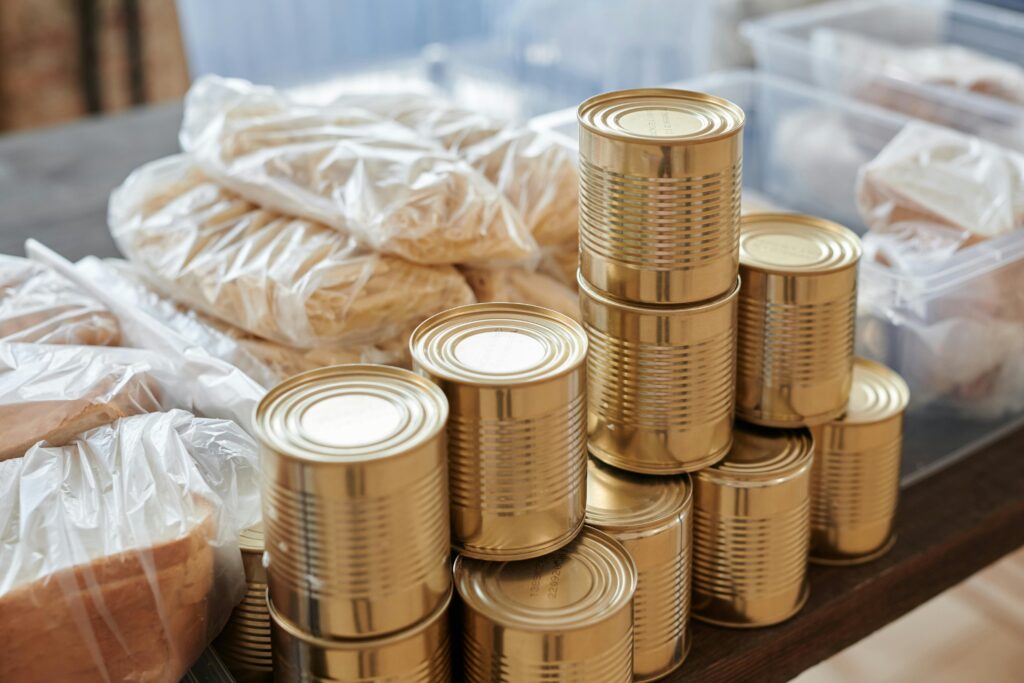
Understanding the Importance of Fish & Seafood Preservation
Unlike beef or poultry, seafood is highly perishable due to its delicate protein structure and high moisture content. Without proper preservation, fish and shellfish can spoil within hours, making effective storage techniques essential for self-sufficient living. Preservation methods not only extend shelf life but also enhance flavour and texture in many cases.
Key Factors in Seafood Preservation
- Temperature Sensitivity: Fish and shellfish deteriorate quickly in warm climates, making rapid cooling essential.
- Moisture Content: High moisture levels can encourage bacterial growth and spoilage.
- Fat Content: Oily fish (e.g., mackerel, tuna, salmon) require different preservation methods compared to lean fish (e.g., whiting, snapper, barramundi).
- Texture & Shell Integrity: Soft-shell seafood, like crabs and prawns, require careful handling to avoid damage during preservation.
Freezing Fish: The Most Accessible Method
Freezing is the simplest and most effective way to preserve seafood for long periods. When done correctly, frozen seafood retains much of its original taste and texture.
How to Freeze Seafood Effectively
- Cleaning & Preparation: Gut and fillet fish, remove shells from prawns (optional), and rinse all seafood thoroughly.
- Portioning: Divide seafood into meal-sized portions to avoid unnecessary thawing.
- Vacuum Sealing or Wrapping: Use vacuum-sealed bags or airtight containers to prevent freezer burn. If vacuum sealing isn’t available, tightly wrap seafood in cling film followed by a layer of aluminium foil.
- Freezing at Optimal Temperature: Maintain a freezer temperature of -18°C or lower for long-term storage.
- Storage Duration:
- Lean fish (e.g., snapper, whiting): 6–8 months
- Oily fish (e.g., tuna, salmon, mackerel): 3–4 months
- Shellfish (e.g., prawns, mussels, crabs): 3–6 months
Estimated Costs
Basic freezing costs are low, requiring only airtight packaging and a reliable freezer. Vacuum sealers cost around $100–$250 but significantly improve shelf life.
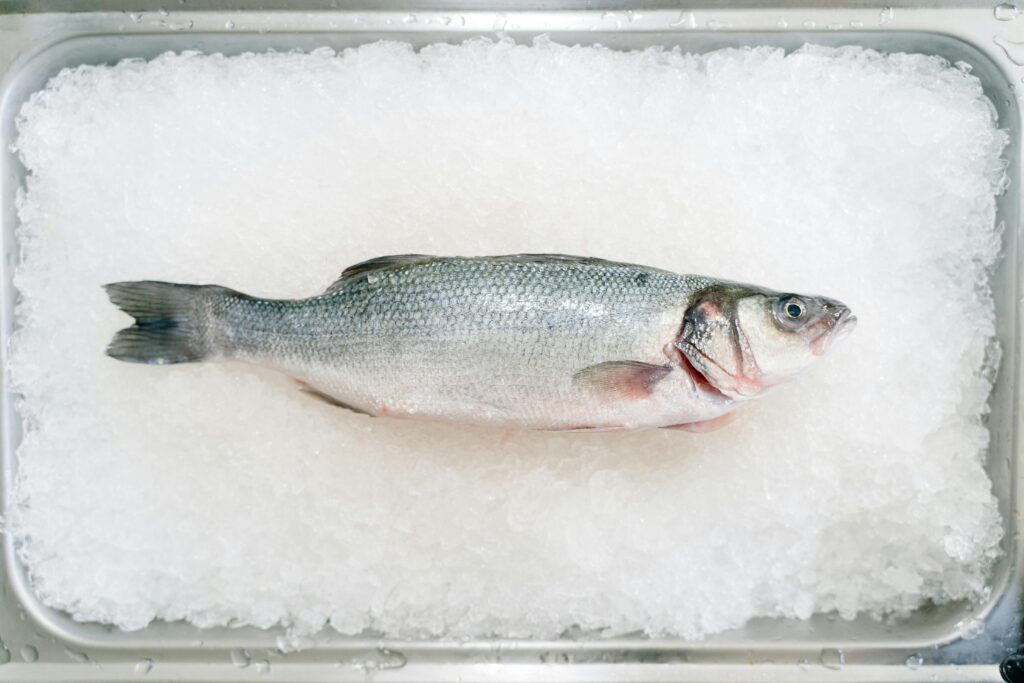
Salting: Traditional and Effective
Salting has been used for centuries to preserve seafood by drawing out moisture and inhibiting bacterial growth. This method is particularly useful in hot, humid climates where refrigeration may not be reliable.
Dry Salting vs. Brining
- Dry Salting: Fish fillets are coated in salt and left to cure for several hours to days before being air-dried or smoked.
- Brining: Whole fish or fillets are submerged in a high-salt solution before being dried or smoked.
Best Fish for Salting
- Saltwater fish like mullet, snapper, whiting, and barramundi cure well with this method.
- Oily fish like mackerel and tuna benefit from brining before smoking.
Storage Tips
Once dried, salted fish should be kept in an airtight container in a cool, dry place. It can last for several months without refrigeration.
Estimated Costs
Salt is inexpensive ($2–$5/kg), and the process requires minimal equipment beyond a drying rack or a cool, shaded space.
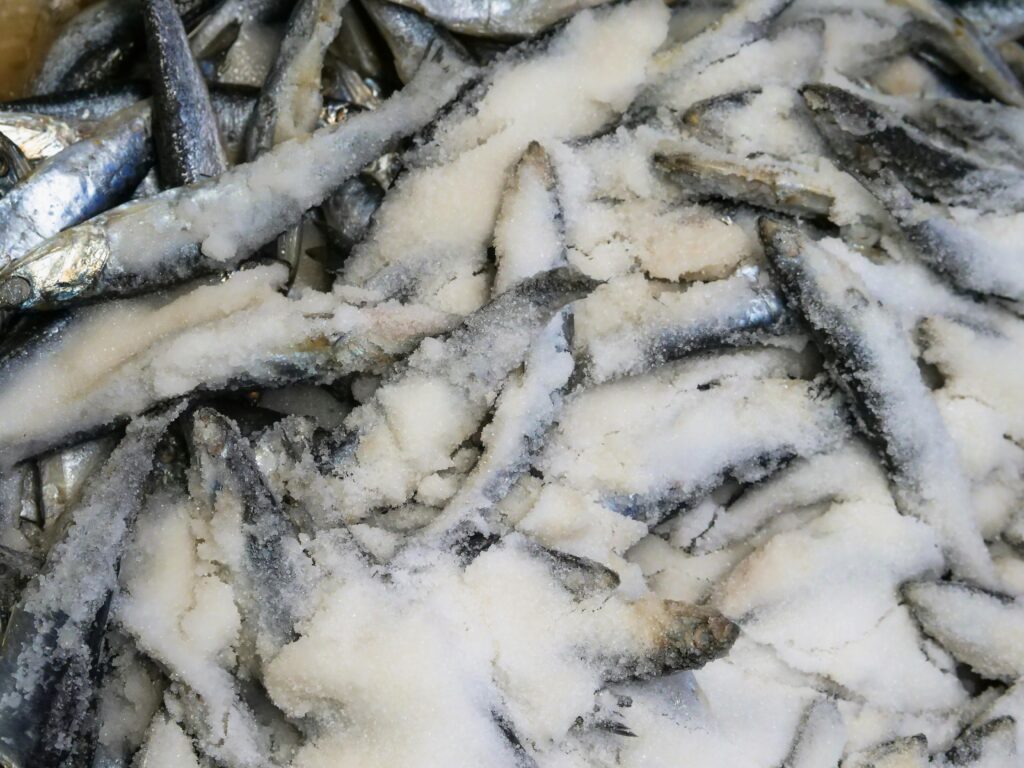
Smoking: Enhancing Flavour and Longevity
Smoking combines drying and flavour enhancement while extending the shelf life of seafood. This method is particularly popular in coastal communities for preserving oily fish.
Hot vs. Cold Smoking
- Hot Smoking: Cooks the fish while infusing it with smoky flavours. It requires temperatures of 65–85°C and is ideal for ready-to-eat seafood.
- Cold Smoking: Preserves without fully cooking, requiring temperatures below 30°C. This is best for fish that will be later cooked or stored long-term.
Best Australian Fish for Smoking
- Salmon, trout, and mackerel work well due to their high oil content.
- Snapper, whiting, and barramundi are also suitable but require more careful monitoring.
Equipment Needed
- A basic smoker can be purchased for $200–$500, or DIY smokers can be built from barrels or wood boxes.
- Wood chips from native Australian trees (e.g., red gum, ironbark, or wattle) provide a distinct flavour.
Canning: Preserving for the Long Haul
Canning is an excellent method for preserving seafood, especially when you need long-term storage solutions that don’t rely on freezing. The canning process involves sealing seafood in jars and heating them to kill bacteria, enzymes, and other microorganisms that could cause spoilage. This technique is particularly beneficial for those looking to store seafood for months or even years without refrigeration.
How Canning Works
The canning process works by placing seafood in jars with liquid (water, brine, or a vinegar solution), then sealing the jars and processing them in a pressure canner or a hot water bath. The heat sterilises the contents, and as the jar cools, it creates a vacuum seal that prevents air from entering and spoiling the food.
Types of Canning for Seafood
- Hot Water Bath Canning: Suitable for acidic seafood products (like pickled shellfish or fish in vinegar brine). The jars are processed in boiling water for a set time to ensure all microorganisms are killed.
- Pressure Canning: Necessary for non-acidic seafood (like tuna or salmon) because these foods require higher temperatures to kill bacteria. Pressure canning involves processing jars at much higher temperatures and pressures than boiling water can provide.
Best Seafood for Canning
Canning is suitable for many types of seafood, but the best options include:
- Fish: Tuna, salmon, and snapper are the top choices for canning. Their firm texture holds up well in the canning process.
- Shellfish: Mussels, oysters, and prawns can also be canned, though they require extra care during preparation to avoid overcooking.
Estimated Cost & Equipment
Canning requires a pressure canner, which can cost anywhere from $200 to $500. Glass jars are reusable, but you’ll need new lids for each canning session (around $0.50 per lid). Overall, the cost of canning per jar (including seafood, liquid, and energy) comes out to roughly $2–$5, making it a cost-effective long-term storage option.
Storage Tips
Canned seafood can last for up to a year or more if stored in a cool, dark place. Once opened, the contents should be consumed within a few days and refrigerated.
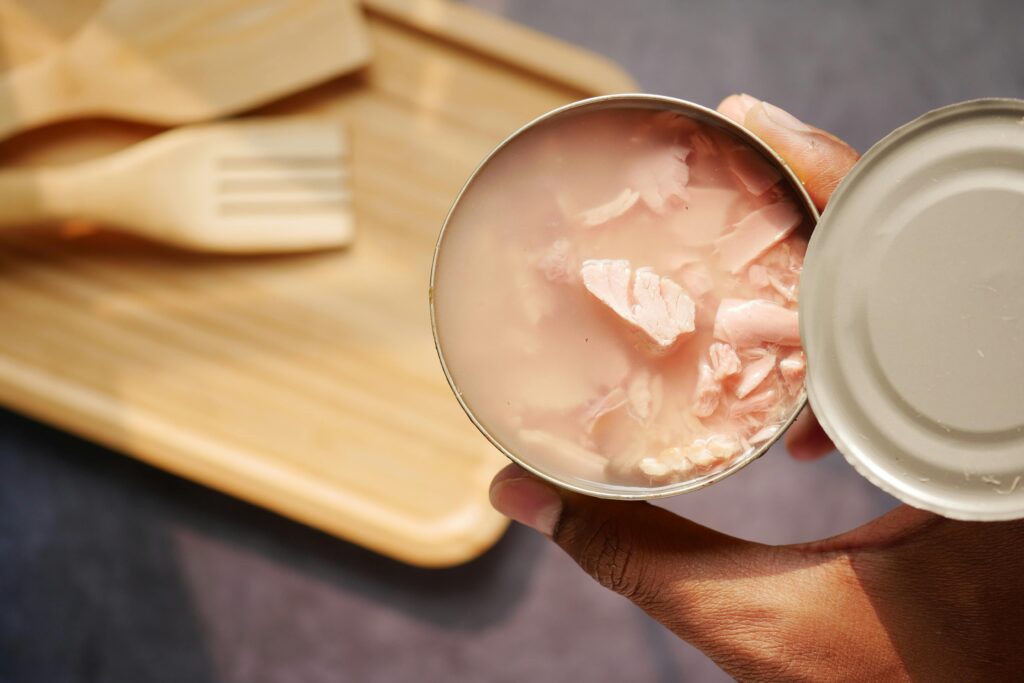
Pickling: A Unique Preservation Method
Pickling involves preserving seafood in a brine or vinegar solution, often with herbs, spices, and sugar to create a tangy, flavourful end product. This method is popular for shellfish like oysters and mussels, but can also work for certain types of fish.
How Pickling Works
Pickling seafood is a relatively simple process. The fish or shellfish is either briefly cooked or raw, then submerged in a brine (salt water) or vinegar-based solution, where it is left to marinate for hours to days. The acidity of the solution inhibits the growth of bacteria, thus preserving the seafood.
Best Seafood for Pickling
- Shellfish: Mussels, oysters, and prawns work very well with pickling. Their mild flavour complements the tangy brine.
- Fish: Fatty fish like salmon and mackerel are also great candidates for pickling, absorbing the pickling brine and becoming richly flavoured.
Pickling Recipe Ideas
- Pickled Mussels: Mussels are briefly steamed before being placed in a brine solution made of vinegar, salt, and sugar, often flavoured with garlic, dill, or mustard seeds.
- Pickled Salmon: Salmon can be filleted and placed in a vinegar brine with added herbs and spices for a sweet, sour, and savory treat.
Estimated Cost & Equipment
Pickling requires a few basic items: jars, vinegar or brine, and any desired spices or herbs. The cost of pickling per jar is minimal (around $1–$2), making it an affordable method for preserving small amounts of seafood. You’ll also need a large jar or crock for marinating the seafood before sealing it in individual jars.
Storage Tips
Once pickled, seafood can be stored in the refrigerator for up to a month. As long as the seafood is submerged in the brine, it will remain preserved.
Drying: A Time-Tested Method for Preserving Marine Food
Drying seafood is one of the oldest and most reliable preservation techniques. By removing moisture from the fish or shellfish, drying creates an environment where bacteria and mould cannot grow. This method is particularly effective for saltwater fish and certain shellfish.
How Drying Works
The drying process removes moisture from the seafood, either by using air (air-drying) or heat (sun-drying or dehydrating). The removal of water effectively prevents the growth of microorganisms that cause spoilage.
Air-Drying vs. Dehydrating
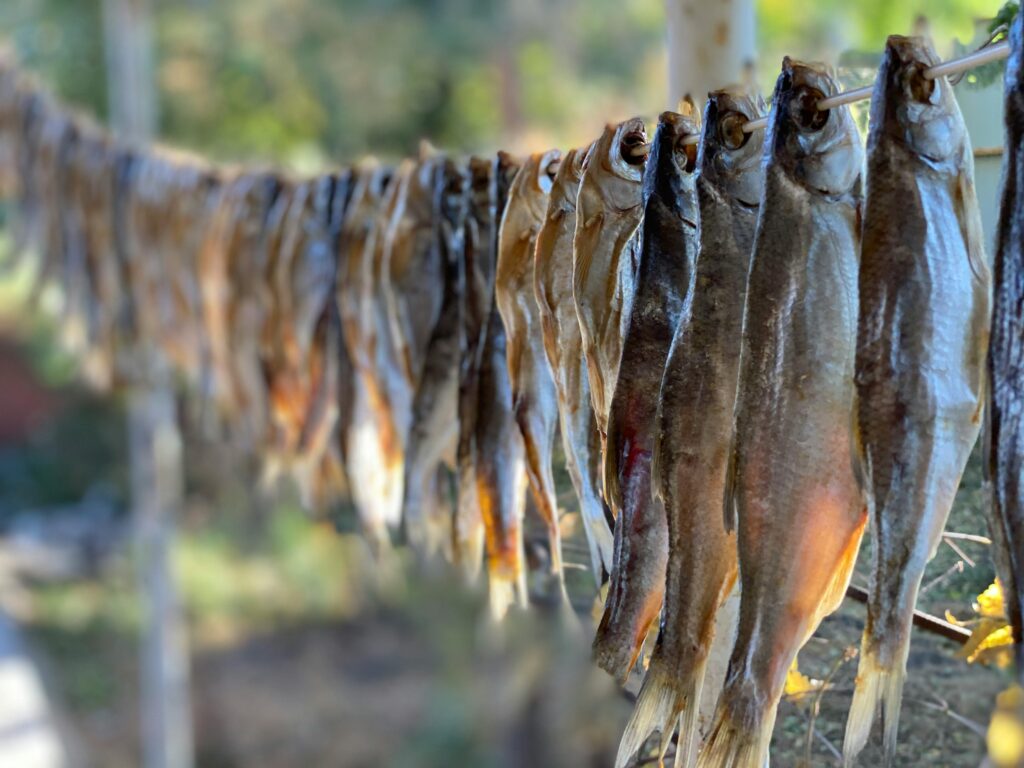
- Air-Drying: Fish like mackerel, sardines, and tuna can be air-dried. The seafood is typically salted first to aid in moisture extraction, then hung in a well-ventilated area or left in a dry, cool location to cure.
- Dehydrating: Using an electric dehydrator is a more controlled process that removes moisture faster and ensures the preservation of the seafood. Dehydrated seafood can be stored for months or even years.
Best Seafood for Drying
- Fish: Oily fish like mackerel, sardines, and tuna are ideal for drying, as they retain their flavour and texture even after being dehydrated.
- Shellfish: Prawns and squid are also excellent for drying, providing a crunchy, snackable texture that can be added to dishes.
Estimated Cost & Equipment
Basic drying requires minimal equipment: a drying rack for air-drying, or an electric dehydrator for dehydrating. Dehydrators range from $100 to $250, depending on capacity. Drying also requires time, especially if air-drying outdoors, but it’s an inexpensive method once the initial setup is complete.
Storage Tips
Dried seafood should be stored in airtight containers or vacuum-sealed bags to protect it from moisture and air. It can last for several months in cool, dry storage conditions.
Conclusion: Choosing the Right Preservation Method for Your Seafood
The preservation of seafood is a critical skill for anyone looking to live sustainably on the Australian coast. Whether you’re looking to freeze your catch for long-term storage, pickle it for unique flavours, or dehydrate it for easy snacks, there are plenty of methods to keep your marine food fresh and delicious.
Consider factors like the type of seafood, the available equipment, and how long you need to store the food. With the right methods, you can reduce waste, preserve your catch for months or even years, and enjoy a self-sufficient lifestyle with an abundance of fresh, preserved seafood at your fingertips.