Livestock Meat & Dairy Preservation & Storage
For those living a self-sufficient lifestyle, preserving meat and dairy is essential to ensure a reliable food supply throughout the year. Whether you’re raising cattle, pigs, sheep, or goats, having the right preservation methods in place allows you to store surplus produce, reduce waste, and maintain food security. Below, we explore the different preservation and storage techniques relevant to Australia’s climate and conditions.
Why Preserve Meat and Dairy?
- Extended Shelf Life – Fresh meat and dairy products spoil quickly, especially in warm climates.
- Seasonal Availability – Preservation helps manage the supply when slaughtering livestock at peak times.
- Reducing Reliance on Refrigeration – Off-grid or rural properties often need alternatives to electric cooling.
- Cost Savings – Bulk preservation reduces the need for frequent butchering or purchases.
Meat Preservation Techniques
1. Freezing: The Most Common Storage Method
Freezing is the simplest and most widely used method of meat preservation. It helps retain flavour and texture with minimal processing.
How to Freeze Meat Effectively
- Pre-cut and Package – Divide meat into portion sizes to avoid defrosting large quantities at once.
- Use Vacuum-Sealed or Airtight Bags – Prevents freezer burn and maintains meat quality.
- Label & Date – Helps track storage duration and rotation.
Storage Duration Guide
| Meat Type | Freezer Shelf Life |
| Beef (steaks, roasts) | 6-12 months |
| Pork (chops, roasts) | 4-6 months |
| Lamb (cuts) | 6-12 months |
| Minced Meat | 3-4 months |
| Offal (liver, kidneys) | 2-3 months |
2. Curing: Salt-Based Preservation
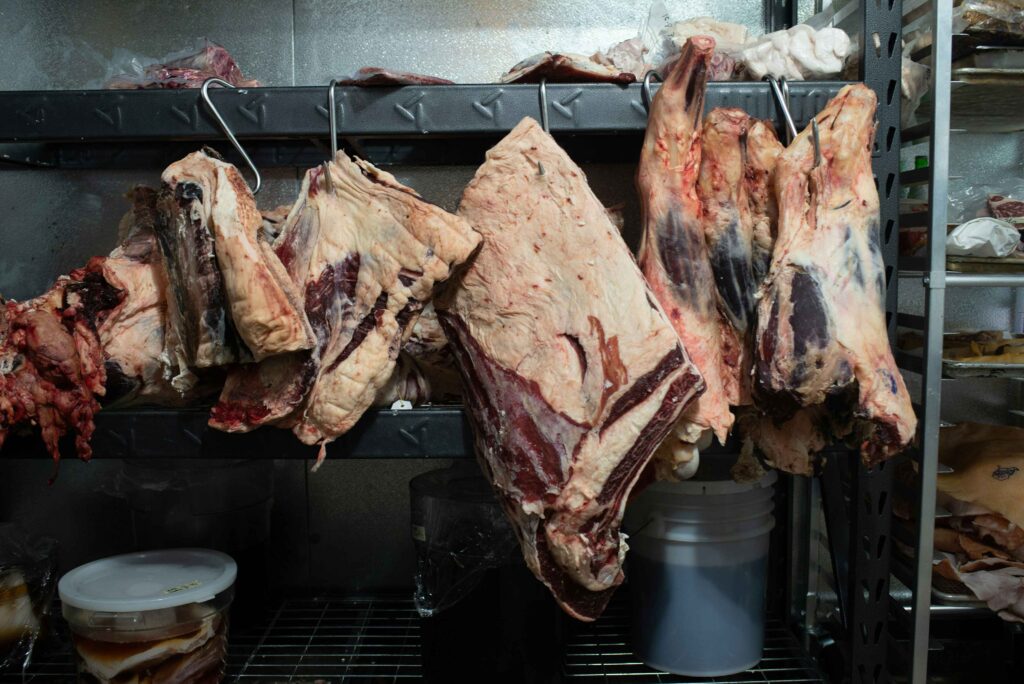
Curing involves using salt to draw out moisture, preventing bacterial growth. This method is popular for pork (bacon, ham) and beef (biltong, corned beef).
Dry Curing vs. Wet Curing
- Dry Curing – Meat is coated in a salt mixture and left to cure in a cool, dry place.
- Wet Curing (Brining) – Meat is submerged in a saltwater solution with optional spices and sugar.
Best For
- Beef: Corned beef, biltong
- Pork: Ham, bacon, pancetta
- Lamb: Dry-aged lamb cuts
3. Smoking: Adding Flavour While Preserving
Smoking meat helps to extend shelf life while enhancing flavour. Traditional smoking methods are ideal for Australian homesteads with access to firewood.
Cold Smoking vs. Hot Smoking
- Cold Smoking (Below 30°C) – Used for meats that will be cooked later, e.g., cured bacon, smoked ham.
- Hot Smoking (Above 60°C) – Cooks and preserves meat simultaneously, e.g., smoked sausages, brisket.
Best For
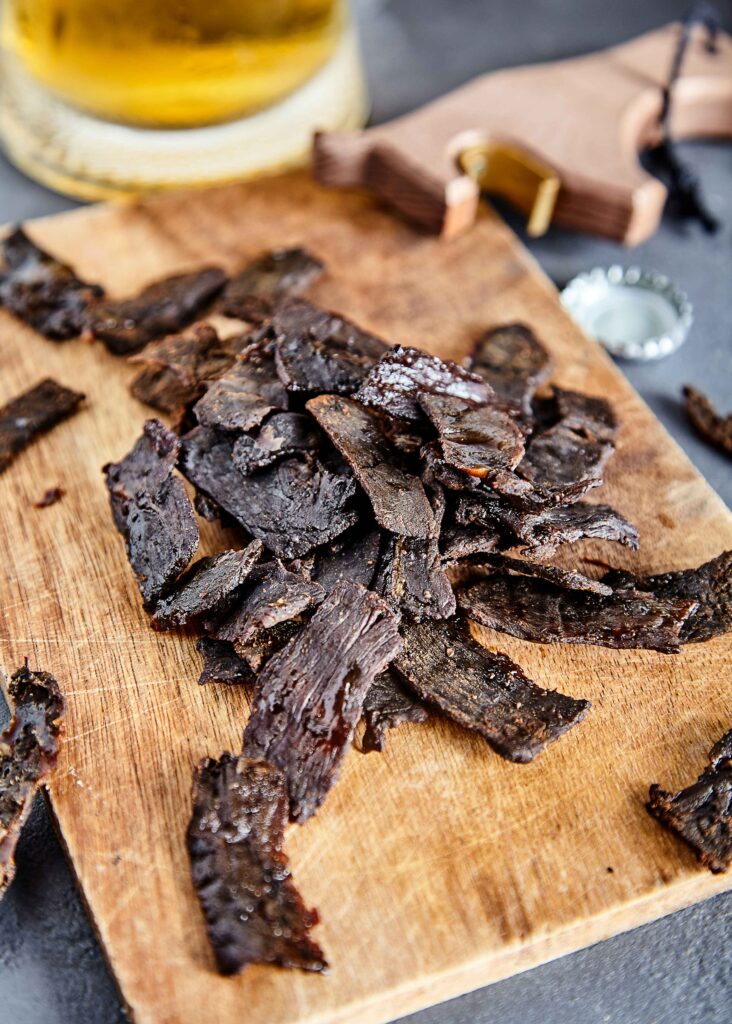
- Beef: Brisket, jerky
- Pork: Ham, sausages
- Lamb: Smoked lamb ribs, shoulders
4. Drying & Dehydration: Lightweight and Long-Lasting
Drying meat is one of the oldest preservation techniques, ideal for long-term storage with minimal resources.
Methods:
- Air-Drying – Using Australia’s dry climate to naturally dry meat (e.g., biltong).
- Dehydrator Use – Ideal for jerky production at home.
Best For:
- Beef: Jerky, biltong
- Lamb: Dried lamb slices
- Pork: Dried sausages
Dairy Preservation Techniques
Fresh dairy products have a short shelf life, making preservation crucial for homesteads that produce their own milk.
1. Refrigeration & Freezing
While refrigeration is standard, freezing extends dairy’s usability.
- Milk: Can be frozen but may separate upon thawing.
- Cheese: Hard cheeses freeze well; soft cheeses do not.
- Butter: Freezes well for up to 6 months.
2. Fermentation: Making Dairy Last Longer
Fermentation is a natural preservation method that enhances flavour and nutritional value.
- Cheese Making: Converts milk into a long-lasting product.
- Yogurt & Kefir: Requires live bacterial cultures.
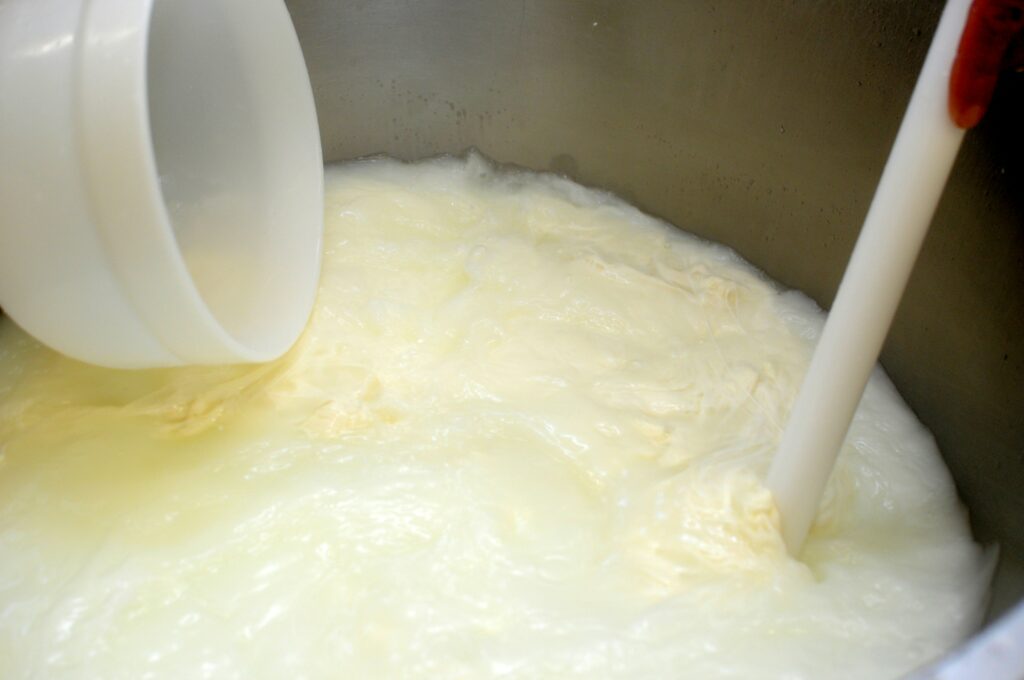
3. Canning Dairy: A Long-Term Solution
- Canned Butter & Ghee: No refrigeration needed, lasts up to a year.
- Evaporated & Condensed Milk: Reduces liquid content, extending shelf life.
Canning: Shelf-Stable Meat & Dairy Without Freezers
Pressure canning is one of the most effective and long-lasting ways to preserve meat and some dairy products without relying on refrigeration. Unlike water bath canning, which is suitable only for high-acid foods like fruit and tomatoes, pressure canning is required for preserving low-acid foods like beef, pork, lamb, and broths.
How It Works
Cuts of meat, soups, bone broths, or dairy-based stews are sealed in sterilised glass jars, then cooked under high pressure and temperature (typically 115–121°C) in a pressure canner. This kills off all bacteria, including Clostridium botulinum, and ensures a safe, shelf-stable product.
What You’ll Need
- A reliable pressure canner (not just a pressure cooker), which can cost between $250–$600.
- High-quality glass mason jars and lids ($30–$70 for a dozen).
- A heat source—gas stoves are ideal, but electric and induction-compatible canners are available.
Best Used For
- Cubed or shredded meat (e.g., lamb stew, pulled pork, minced beef)
- Bone broth or stock
- Clarified butter (ghee) or canned butter in cooler climates
Australian Context
This is ideal for remote living, especially in off-grid areas like Tasmania’s Huon Valley, Western Australia’s Wheatbelt, or the Flinders Ranges, where consistent power may not be guaranteed. Pressure canning also offers excellent emergency preparedness for bushfire-prone areas.
Salting & Drying: Low-Tech, High-Impact
Salt preservation is one of the oldest known methods, used globally well before refrigeration was common. It involves drawing moisture out of the meat, preventing bacterial growth and spoilage.
There are two main types:
- Dry curing, where meat is packed in salt and left to cure over weeks.
- Brining, where meat is submerged in a saltwater solution.
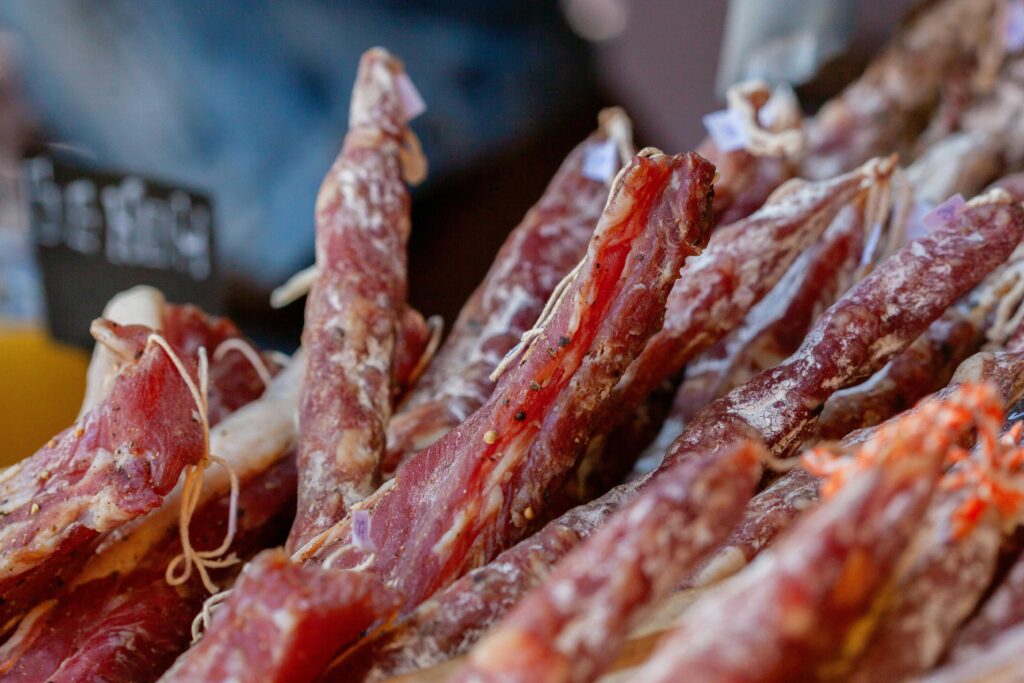
Drying, whether air-drying (as with biltong or prosciutto) or combined with low heat, is often used alongside salting to increase shelf life further.
What You’ll Need
- Large containers or tubs
- Plenty of non-iodised salt (about $2–$3/kg)
- A clean, dry, well-ventilated space for drying—like a shed or a pantry
Best Used For
- Beef or lamb for jerky
- Pork for pancetta or salted ham
- Making shelf-stable mince patties for long-term storage
Tip for Australian conditions: Avoid salting or air-drying in high humidity regions like Far North Queensland—opt instead for elevated, drier areas like Armidale (NSW) or the Adelaide Hills.
Tallow, Lard & Ghee: Preserving Fat for Future Use
Fat rendering doesn’t just prevent waste—it provides shelf-stable cooking ingredients and long-lasting preservation methods. When rendered and stored properly, fats can last for months without refrigeration.
- Tallow is rendered beef or lamb fat.
- Lard is rendered pork fat.
- Ghee is clarified butter with the milk solids removed.
These fats can be stored at room temperature if sealed properly, or refrigerated for even longer shelf life.
Uses for Preserved Fat
- Cooking and baking
- Preserving cooked meat (a method called confit)
- Making soap, candles, and salves
What You’ll Need
- A pot or slow cooker
- Cheesecloth or fine mesh strainer
- Sterilised jars or containers
Estimated cost: Minimal if using offcuts from your own livestock. Store-bought fat costs around $3–$5/kg.
Making the Most of Every Part: Nose-to-Tail Preservation
For small-scale, self-sufficient setups, the goal is not just to store meat—but to minimise waste and extend value. Here are additional tips:
- Bones: Make stock or bone broth, pressure-can it, or freeze it flat in bags.
- Organs: Liver, heart, and kidneys can be sliced thin and frozen, made into pâtés, or smoked.
- Blood: Useful in blood sausage recipes or for composting if not consumed.
Using every part of the animal reduces reliance on purchased ingredients and supports long-term food security.
Regional Conditions: Tailoring Your Approach to Your Climate
Australia’s diverse climate affects which preservation method works best:
| Region | Best Preservation Method |
| Southern Highlands (NSW) | Cold-smoking, curing, canning |
| Perth Hills (WA) | Freezing (if grid-connected), ghee production |
| Northern Rivers (NSW) | Quick freezing, pressure canning |
| Central Victoria | Drying, lard & tallow, cool pantries |
| Huon Valley (TAS) | Cold storage, fermentation, smoking |
Wherever you are, take into account humidity, access to power, pests, and local temperatures when choosing your methods.
Final Thoughts: Build Your Preservation Toolkit Over Time
You don’t need to master every technique all at once. Start with one or two that match your resources and region—for example:
- A solar-powered freezer for off-grid farms
- A basic pressure canner for long-term shelf storage
- An outdoor smoker or DIY drying rack for adding variety and reducing waste
The key is sustainability. By preserving livestock meat and dairy efficiently, you’re building not just a food reserve—but a greater sense of independence, resilience, and connection to what you raise.