Growing ginger and turmeric at home gives you fresh, flavourful rhizomes whilst reducing grocery costs and eliminating packaging waste. Both plants thrive in Australian conditions, particularly in subtropical and tropical regions, though gardeners in cooler areas can successfully grow them in pots with proper care. This guide provides simple, practical steps for planting, maintaining, and harvesting ginger and turmeric in backyards and containers across Australia, with specific advice for different climate zones and common problems you might encounter.
Why Ginger and Turmeric Grow Well in Australia
Warm growing seasons suit tropical plants
Ginger and turmeric originate from tropical and subtropical Asia, making them well-suited to Australia’s warm climate zones. Queensland, Northern Territory, and northern New South Wales provide ideal conditions with warm temperatures, adequate rainfall or irrigation, and long growing seasons. These plants need consistent warmth to thrive, which Australian summers deliver reliably in northern regions.
Long growing window in northern regions
In tropical and subtropical areas, ginger and turmeric enjoy 8-12 month growing seasons with minimal dormancy. This extended period allows rhizomes to develop fully, producing substantial harvests from relatively small planting areas. Northern gardeners can plant in spring and harvest through autumn or early winter, maximising yield potential.
Good yields in containers
Both ginger and turmeric adapt well to container growing, making them accessible for gardeners with limited space, renters, or those in cooler climates who need to move plants for warmth. A single 40 cm pot can produce 500g-1kg of fresh rhizomes under good conditions, providing excellent returns from minimal garden space.
Best Conditions for Ginger and Turmeric
Climate requirements
Ideal regions
Queensland, Northern Territory, and northern coastal New South Wales provide perfect conditions with warm humid summers, mild winters, and adequate rainfall or irrigation access. Ginger and turmeric thrive in these zones with minimal intervention beyond basic care. Coastal areas with morning sun and afternoon shade suit these plants particularly well.
Southern states adaptations
Victoria, South Australia, Tasmania, and southern New South Wales experience cooler conditions requiring modifications. Grow ginger and turmeric in pots that can move to warm spots during cool periods, plant in north-facing positions against warm walls or fences, use cloches or mini greenhouses to extend the season, and select the warmest microclimates in your garden.
Southern gardeners achieve success but expect smaller yields and longer growing times compared to tropical zones.
Light needs
Ginger and turmeric prefer bright filtered light rather than full sun. Morning sun with afternoon shade provides ideal conditions, as intense afternoon sun can scorch leaves and stress plants. Under trees with light canopy, on east-facing walls or fences, beneath shade cloth (30-50% density), or in positions receiving 4-6 hours of direct morning light followed by dappled shade work well.
Full shade produces weak, leggy growth with minimal rhizome development. Full sun in hot climates causes leaf burn and requires increased watering. Aim for the middle ground of bright but filtered light.
Soil requirements
Both plants demand loose, rich, well-draining soil with high organic matter content. Ideal soil characteristics include friable texture allowing easy rhizome expansion, excellent drainage preventing waterlogging and rot, rich organic content providing sustained nutrition, slightly acidic to neutral pH (6.0-7.0), and good moisture retention without becoming soggy.
Heavy clay soils require substantial amendment with compost and coarse sand or growing in raised beds or containers. Sandy soils need organic matter addition to improve water and nutrient retention. Standard garden soil typically needs improvement with 30-50% compost by volume.
Temperature needs for growth
Growth begins when soil temperatures consistently exceed 18°C, typically occurring in October-November across most of Australia. Active growth and rhizome development occur between 20-30°C. Optimal growth happens at 25-28°C. Growth slows significantly below 15°C and stops below 10°C.
Plant when soil temperatures reliably stay above 18°C to prevent rhizome rot and encourage strong shoot emergence. In cooler regions, delay planting until late spring or early summer when soil has warmed thoroughly.
How to Plant Ginger and Turmeric at Home
Choosing rhizomes
Source and quality
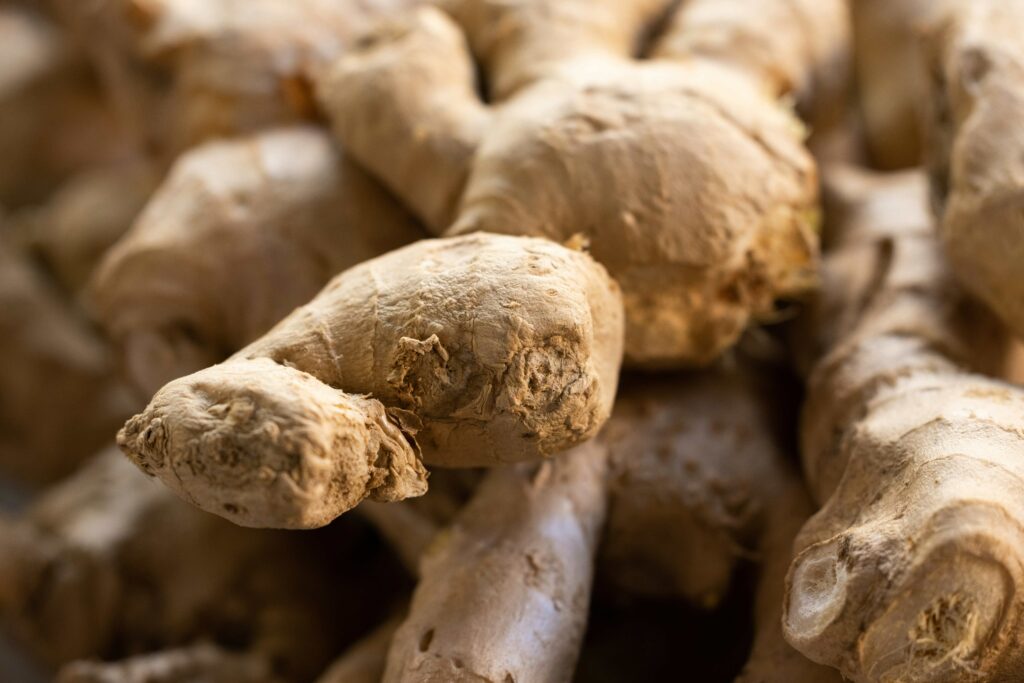
Purchase fresh rhizomes from nurseries, garden centres, or organic grocers. Look for firm, plump rhizomes with visible growing buds (small bumps or points), avoid soft, wrinkled, or mouldy pieces, select rhizomes with multiple buds for better yields, and choose organic rhizomes when possible as conventional ones may be treated with growth inhibitors.
Store-bought ginger and turmeric from supermarkets can work but may have been treated to prevent sprouting. Soak store-bought rhizomes overnight in warm water before planting to help trigger growth.
Preparing pieces for planting
If rhizomes are large, cut them into 5-8 cm pieces, ensuring each piece contains at least 2-3 growing buds. Allow cut surfaces to dry for 24 hours before planting to prevent rot. This drying period lets cut surfaces heal, reducing infection risk.
Preparing pots or garden beds
Container specifications
Use pots minimum 30 cm deep and 40 cm wide for adequate rhizome development. Larger pots (40-50 cm) produce bigger harvests. Ensure pots have drainage holes preventing waterlogging. Terracotta or fabric pots work well, providing good aeration. Plastic pots are acceptable but require careful watering to prevent saturation.
Soil mix for containers
Create a rich, friable mix using 40% quality potting mix, 40% mature compost or worm castings, 10% coarse sand or perlite for drainage, and 10% coconut coir for moisture retention. This combination provides excellent drainage whilst retaining adequate moisture and nutrients.
Garden bed preparation
For in-ground planting, prepare beds by loosening soil to 30 cm depth, incorporating 5-10 cm of compost or well-rotted manure, adding coarse sand if soil is heavy clay, creating raised beds in poorly drained areas, and ensuring beds receive morning sun with afternoon protection.
Planting depth and spacing
Depth requirements
Plant rhizomes 2-5 cm deep with growing buds facing upward. Deeper planting in sandy soils (4-5 cm) helps retain moisture. Shallower planting in heavy soils (2-3 cm) prevents waterlogging. Cover with loose soil or compost, avoiding compaction.
Spacing considerations
Space rhizomes 20-30 cm apart in garden beds allowing room for expansion. In large pots, plant 2-3 pieces spaced around the edges. Crowding reduces air circulation and increases disease risk whilst limiting rhizome development space. Generous spacing produces larger, healthier yields.
Care for Your Ginger & Turmeric Through the Growing Season
Watering management
Moisture requirements
Keep soil consistently moist but never waterlogged throughout the growing season. Ginger and turmeric need regular water but hate soggy conditions that cause rhizome rot. Water when the top 2-3 cm of soil feels dry. In hot weather, this may mean daily watering for containers and every 2-3 days for garden beds.
During active growth (spring through summer), maintain steady moisture. As plants mature and begin dying back (autumn), gradually reduce watering to allow rhizomes to mature and store better.
Watering technique
Water deeply rather than frequently to encourage deep root development. Apply water at soil level rather than overhead to reduce fungal disease risk. Morning watering allows excess moisture to evaporate during the day. In containers, water until it drains from the bottom, ensuring thorough saturation.
Feeding requirements
Fertiliser approach
Feed every 3-4 weeks during active growth with well-rotted compost as top dressing, liquid seaweed or fish emulsion diluted as per instructions, balanced organic fertiliser (blood and bone, pelletised manure), or worm castings spread around plants.
Avoid high-nitrogen fertilisers that promote leaf growth at rhizome expense. Balanced nutrition supports both healthy foliage and good rhizome development.
Signs of nutrient deficiency
Yellowing leaves may indicate nitrogen deficiency or poor drainage. Slow growth suggests insufficient nutrients or too-cool temperatures. Pale, weak shoots indicate inadequate light or nutrients. Address deficiencies through appropriate feeding and adjusting growing conditions.
Shade and heat management
In tropical and subtropical zones, provide afternoon shade during peak summer heat. Use shade cloth (30-50% density), plant under light tree canopy, position plants on east-facing walls, or grow near taller plants providing natural shade.
In cooler regions, maximise warmth by growing in full sun positions, using black mulch to absorb heat, positioning against north-facing walls, and protecting from cold winds.
Mulch application
Apply 5-8 cm of organic mulch around plants once shoots emerge. Suitable mulches include sugar cane mulch, pea straw, lucerne hay, or leaf mulch. Mulch holds moisture, moderates soil temperature, suppresses weeds, and adds organic matter as it decomposes.
Keep mulch a few centimetres away from emerging shoots to prevent rot. Refresh mulch through the season as it breaks down.
Growing Ginger & Turmeric in Cooler Climates
Timing adjustments
Start planting in late spring (November-December) after soil has warmed thoroughly. This delayed start ensures rhizomes don’t rot in cold, wet soil. Expect harvest in late autumn or early winter, though rhizomes may be smaller than in warmer zones.
Monitor weather forecasts and cover plants if late frosts threaten. Even brief cold snaps can damage tender shoots.
Container advantages
Grow ginger and turmeric in pots that can move to warm spots during cool periods. Place containers against warm north-facing walls, in protected courtyards, or on paved areas that absorb and radiate heat. Move pots into greenhouses, sunrooms, or garages during cold snaps.
Black or dark-coloured pots absorb more heat than light-coloured ones, warming soil faster in cool conditions.
Heat retention strategies
Use black plastic mulch or dark organic mulches that absorb solar heat. Position plants against masonry walls that store and radiate warmth. Create mini greenhouses using cloches, cold frames, or clear plastic covers. Fill dark-coloured bottles with water and place around plants as thermal mass storing daytime heat.
These strategies extend the growing season by 2-4 weeks at each end, improving yields in marginal climates.
Common Problems and Fixes When Growing Ginger & Turmeric
Rhizome rot from overwatering
Symptoms include mushy, dark rhizomes, foul smell from soil, and shoots dying back soon after emergence. Rot results from waterlogged soil preventing oxygen reaching rhizomes. Fungi and bacteria thrive in saturated conditions.
Prevention includes ensuring excellent drainage, watering only when soil surface dries, using well-draining soil mixes, and avoiding planting in heavy clay without amendment. If rot occurs, remove affected rhizomes, improve drainage, and reduce watering frequency.
Slow shooting in cold soil
Rhizomes planted into cold soil (below 18°C) remain dormant or rot rather than sprouting. Patience is essential. Wait until soil temperatures consistently exceed 18°C before planting. This typically means October-November in temperate zones and September in tropical areas.
Pre-sprouting rhizomes indoors accelerates emergence. Place rhizomes in warm, humid conditions (wrapped in damp paper towel in a plastic bag) until shoots appear, then plant carefully.
Yellowing leaves from poor drainage
Yellow leaves often indicate waterlogged soil preventing root respiration. Check drainage by digging near plants after watering. If water pools or soil remains saturated for hours, drainage is inadequate.
Improve drainage by adding coarse sand or perlite to soil, creating raised beds, reducing watering frequency, or transplanting to containers with better drainage. Yellow leaves may also indicate nutrient deficiency, so assess both possibilities.
Pest issues
Ginger and turmeric experience relatively few pest problems in Australia. Occasionally, grasshoppers or caterpillars chew leaves. Handpick pests or use organic controls if damage is severe. Healthy plants tolerate minor leaf damage without yield reduction.
When and How to Harvest Ginger & Turmeric
Harvest timing for ginger
Ginger is ready 8-10 months after planting. In subtropical zones, plant in October and harvest in June-July. Wait until foliage begins yellowing and dying back naturally, indicating rhizomes have matured. Young ginger can be harvested earlier (4-6 months) for milder, more tender rhizomes, though yields are smaller.
Harvest timing for turmeric
Turmeric requires 9-12 months to mature fully. Plant in September-October and harvest in July-August of the following year. Like ginger, wait until foliage yellows and dies back. Turmeric typically needs longer than ginger to develop strongly coloured, flavourful rhizomes.
Harvesting technique
Gently loosen soil around plants with a garden fork or trowel, working outward from the central stem. Lift rhizome clumps carefully to avoid damage. Brush off excess soil and inspect the harvest. For continuous harvests, remove only outer rhizomes, leaving central portions to continue growing if conditions remain suitable. This works well in tropical areas with year-round warmth.
Cut foliage at soil level before lifting rhizomes. Compost healthy foliage or use as mulch. Discard any diseased or damaged plant material.
Fresh vs storage use
Fresh rhizomes have stronger, brighter flavour than stored ones. Use fresh rhizomes within 2-3 weeks for best quality. For storage, cure rhizomes by laying them in a warm, dry, shaded location for 7-10 days, allowing skin to toughen and minor surface damage to heal.
Storing and Saving Pieces for Replanting
Short-term storage
Store cured rhizomes in paper bags or cardboard boxes in a cool, dark, well-ventilated location. Temperatures of 12-15°C are ideal. Avoid plastic bags that trap moisture and encourage mould. Check stored rhizomes monthly, removing any that show signs of rot or shrivelling.
Fresh rhizomes can also be frozen for cooking use. Clean and cut into convenient sizes, then freeze in airtight containers or bags. Frozen rhizomes last 6-12 months but aren’t suitable for replanting.
Saving planting stock
Select the plumpest, healthiest rhizomes with prominent buds for next season’s planting. Store these separately from culinary rhizomes in slightly warmer conditions (15-18°C) to maintain viability. Some growers keep planting rhizomes in barely moist sand or sawdust to prevent excessive drying whilst maintaining dormancy.
In tropical areas, simply leave some rhizomes in the ground where they’ll regrow when conditions are suitable. In cooler zones, lift and store all rhizomes to prevent cold damage.
Propagation approach
Each harvest produces more rhizomes than you planted, allowing you to expand plantings each year. From an initial purchase of 3-4 rhizomes, you can potentially grow 20-30 pieces for replanting within 2-3 seasons. Share extras with friends or neighbours to spread homegrown food production.
Frequently Asked Questions
Growing indoors is challenging but possible with sufficient light. Place pots in the brightest available position, ideally a north-facing window receiving 4-6 hours direct sun. Supplement with grow lights if natural light is inadequate. Indoor growing produces smaller plants and yields compared to outdoor cultivation, but it works for year-round production in cold climates or for small quantities of fresh rhizomes.
Maintain consistent temperature (20-25°C) and humidity (60-70%) for best indoor results. Indoor plants are particularly susceptible to overwatering due to reduced evaporation rates.
Yes, though success rates vary. Organic ginger and turmeric from health food stores or organic grocers work best, as they’re less likely to be treated with growth inhibitors. Conventional supermarket rhizomes are often treated to prevent sprouting during transport and storage.
Soak store-bought rhizomes in warm water overnight before planting to help overcome growth inhibitors. Select the freshest, firmest rhizomes with visible buds. Success rates of 50-70% are typical with store-bought rhizomes versus 90%+ with nursery stock specifically sold for growing.
Ginger typically grows 60-90 cm tall with narrow, blade-like leaves arranged in two ranks along upright stems. Turmeric grows taller at 90-120 cm with broader, more substantial leaves. Both spread 40-60 cm wide from a central clump.
Plant size affects container selection and spacing in garden beds. Allow adequate space for mature size to ensure good air circulation and healthy growth.
Yes, replanting harvested rhizomes is the standard propagation method. Select firm, healthy pieces with 2-3 growing buds. Small harvested pieces (5-8 cm) plant successfully if they have visible buds. This continuous propagation cycle means you never need to purchase ginger or turmeric again once you’ve established successful growing practices.
Some growers maintain a “perpetual harvest” by lifting outer rhizomes whilst leaving central portions to continue growing. This works particularly well in frost-free tropical areas with year-round growing conditions.