The Mallee region offers Melbourne professionals exceptional opportunities for premium lifestyle transformation through world-class agricultural enterprises, innovative farming systems, and sophisticated rural living with semi-arid country benefits. This dynamic region combines exceptional Mediterranean-style climate conditions, diverse agricultural soils, and strategic connectivity to Melbourne, creating ideal conditions for families seeking both profitable agricultural ventures and refined semi-arid rural lifestyle experiences.
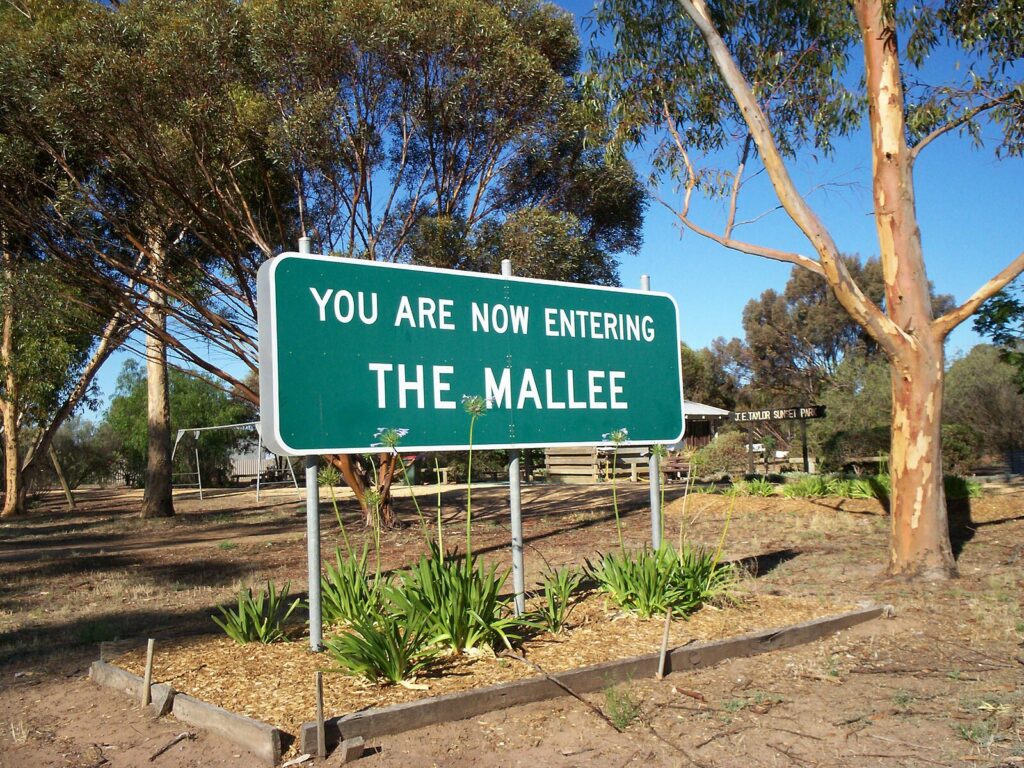

Overview of the Mallee Region
The Mallee encompasses approximately 39,000 km² of Victoria’s most productive semi-arid agricultural country, including major centres of Mildura, Swan Hill, Ouyen, Robinvale, and Red Cliffs, with over 95,000 residents including established communities of former Melbourne professionals who’ve successfully transitioned to premium agricultural enterprises in Australia’s most innovative semi-arid agricultural region.
The region’s strategic position along the Murray River corridor, combined with unique semi-arid microclimate conditions and innovative irrigation systems, creates exceptional agricultural advantages through Mediterranean-style growing conditions, premium horticultural production, and diverse agricultural systems supporting world-class commercial enterprises and semi-arid agricultural operations.
Temperature patterns reflect the region’s semi-arid Mediterranean climate with hot summers (typical maximums 28-35°C) and mild winters (typical minimums 4-10°C) creating optimal conditions for intensive horticultural enterprises and comfortable year-round living whilst benefiting from low humidity and distinct seasonal advantages for specialised production.
The region’s diverse geology creates exceptional agricultural opportunities, from fertile river flats supporting intensive horticulture to sandy mallee soils suited to broad-acre cropping and specialty livestock enterprises. This soil diversity enables newcomers to develop highly productive agricultural systems with proven track records of commercial success and unique terroir characteristics.
Water resources throughout the Mallee include Murray River access, comprehensive irrigation infrastructure, established water trading systems, and innovative water management providing outstanding water security for both domestic needs and intensive agricultural enterprises whilst maintaining environmental sustainability.
Land holdings range from small intensive horticultural blocks of 5-50 hectares perfect for families developing premium boutique enterprises to substantial broad-acre properties exceeding 1,000 hectares suitable for comprehensive commercial operations and agricultural enterprises with semi-arid country character.
Demographics & Urban Accessibility in the mallee
The Mallee’s strategic location along the Murray River corridor creates exceptional accessibility to interstate markets whilst maintaining sophisticated semi-arid rural character and established agricultural communities supporting successful urban-to-rural lifestyle transitions.
Key Towns and Urban Centres
Mildura serves as the region’s horticultural and commercial capital with approximately 35,000 residents, offering comprehensive services including horticultural machinery dealerships, fruit packing facilities, irrigation supplies, banking facilities, and professional services essential for intensive horticultural operations. The city provides excellent educational facilities, medical services, and established networks supporting families transitioning from urban to premium semi-arid rural enterprises.
Swan Hill functions as the region’s agricultural service centre with over 11,000 residents, providing established services and community networks whilst maintaining strong agricultural connections and Murray River lifestyle benefits through river recreation access.
Ouyen offers unique opportunities combining grain handling character with established broad-acre enterprises and transport facilities. The town provides comprehensive rural services whilst maintaining semi-arid agricultural character and efficient transport connectivity.
Robinvale provides specialised horticultural services combined with established table grape networks, offering diverse opportunities whilst maintaining authentic agricultural character and horticultural enterprise support.
Red Cliffs serves as a premium horticultural service centre with strong citrus industry connections, providing essential services whilst maintaining premium semi-arid rural lifestyle and established horticultural community networks.
Distance and Connectivity
| Destination | From Mildura | From Swan Hill | From Ouyen | From Robinvale |
| Melbourne CBD | 550km (6 hours) | 340km (3.8 hours) | 395km (4.2 hours) | 450km (5 hours) |
| Adelaide | 290km (3.2 hours) | 450km (5 hours) | 350km (4 hours) | 320km (3.5 hours) |
| Bendigo | 270km (3 hours) | 160km (1.8 hours) | 215km (2.3 hours) | 240km (2.7 hours) |
| Ballarat | 350km (4 hours) | 240km (2.7 hours) | 295km (3.2 hours) | 320km (3.5 hours) |
| Albury-Wodonga | 380km (4.2 hours) | 320km (3.5 hours) | 290km (3.2 hours) | 350km (3.8 hours) |
Agricultural Connectivity:
- Calder Highway and Mallee Highway providing excellent Melbourne and Adelaide connectivity
- Regional freight rail services connecting with interstate distribution systems
- Murray River transport corridor supporting agricultural and horticultural distribution
- Excellent road network supporting horticultural transport and fresh produce movement
- Established fruit packing and grain storage facilities throughout major centres
Services and Infrastructure – Premium Semi-Arid Excellence
Medical Facilities include Mildura Base Hospital, comprehensive primary healthcare throughout all major centres, and specialist services. Regional connectivity ensures access to metropolitan medical care whilst local facilities provide excellent rural healthcare support including agricultural health programmes.
Educational Opportunities encompass excellent public and private schools with strong environmental and agricultural programmes, proximity to regional universities providing tertiary education access, and established horticultural and agricultural education supporting rural career development with semi-arid lifestyle integration.
Digital Connectivity – Essential for Premium Semi-Arid Operations:
- NBN fibre available throughout major towns with comprehensive rural coverage
- Fixed wireless coverage extending to most properties within agricultural areas
- Excellent mobile coverage throughout populated areas and major transport corridors
- High-speed internet standard for premium semi-arid properties supporting remote work and precision agriculture
- Professional services and co-working facilities available in major centres
Shopping and Services:
- Comprehensive shopping centres and horticultural retail facilities in Mildura and Swan Hill
- Specialised horticultural and irrigation suppliers throughout the region
- Major agricultural supply chains and machinery dealerships in regional centres
- Quality dining, accommodation, and recreational facilities throughout semi-arid areas
- Complete banking services and professional support networks in all centres
- Tourism infrastructure and recreational facilities supporting agricultural enterprises
Land Use & Agricultural Potential
The Mallee’s agricultural reputation stems from exceptional irrigation infrastructure, Mediterranean-style climate conditions, and established intensive production systems enabling urban refugees to develop world-class horticultural enterprises whilst building on generations of agricultural excellence and proven semi-arid agricultural systems.
Soil Types and Agricultural Suitability for Premium Semi-Arid Production
Red Sandy Soils throughout northern areas provide exceptional drainage and workability suited to premium citrus and stone fruit enterprises requiring precise irrigation management whilst producing outstanding quality. These soils provide optimal growing conditions for intensive horticulture whilst supporting established commercial enterprises with proven profitability.
Mallee Sandy Loams across central areas offer good fertility and excellent drainage suited to diverse agricultural enterprises including broad-acre cropping, viticulture, and specialty horticultural systems. These versatile soils enable newcomers to achieve excellent results with proper irrigation management whilst supporting sustainable commercial enterprises.
River Flat Alluvials in Murray River areas provide exceptional fertility and water retention suited to intensive horticultural systems and premium crop development. These rich soils provide optimal growing conditions whilst supporting established table grape and citrus enterprises with proven sustainability.
Calcareous Sandy Soils on elevated sites provide excellent drainage and unique mineral content for specialty wine production requiring precise management and premium quality outcomes with distinctive semi-arid terroir characteristics.
Primary Agricultural Activities – World-Class Semi-Arid Systems
Citrus Production represents the region’s premier horticultural enterprise with established orchards, proven varieties, and premium export market access providing exceptional opportunities for families developing commercial citrus enterprises with reliable income potential and semi-arid lifestyle integration.
Table Grape Production utilises exceptional irrigation infrastructure and Mediterranean-style climate advantages producing premium table grapes for domestic and export markets. The region’s connectivity and cold storage facilities enable premium pricing and established market relationships supporting successful viticultural enterprises.
Stone Fruit Production including almonds, peaches, and apricots utilises climate advantages and precision irrigation providing premium fruit production with established market access and processing integration opportunities.
Viticulture combines with horticultural enterprises providing dual-purpose agricultural systems maximising returns from irrigated sites whilst utilising established wine industry support and premium market positioning.
Broad-Acre Cropping including wheat, barley, and pulses utilise seasonal rainfall and soil advantages providing extensive agricultural opportunities with established market positioning and grain handling integration potential.
Vegetable Production including processing tomatoes and fresh vegetables complement horticultural operations whilst providing diversification opportunities with semi-arid rural lifestyle benefits.
Rainfall and Water Resources
| Area | Annual Rainfall | Elevation | Reliability | Agricultural Quality |
| Mildura | 285mm | 50m | Variable | Premium (irrigated) |
| Swan Hill | 350mm | 70m | Variable | Excellent (irrigated) |
| Ouyen | 320mm | 100m | Variable | Good (dryland/irrigated) |
| Robinvale | 300mm | 35m | Variable | Premium (irrigated) |
| Red Cliffs | 270mm | 45m | Variable | Outstanding (irrigated) |
Water resources include Murray River access providing reliable irrigation opportunities, comprehensive irrigation infrastructure throughout intensive areas, established water trading systems enabling flexible water management, and innovative precision irrigation ensuring water security for intensive semi-arid agricultural operations.
Water Planning for Semi-Arid Agricultural Excellence:
- Murray River water access through established irrigation infrastructure and water rights
- Comprehensive irrigation districts providing reliable water supply for intensive horticulture
- Water trading systems enabling flexible water management and enterprise optimisation
- Precision irrigation technology maximising efficiency for premium semi-arid agricultural enterprises
Self-Sufficiency Considerations in the mallee
The Mallee provides unique opportunities for innovative semi-arid self-sufficient living, combining reliable irrigation access, Mediterranean-style climate conditions, and proven intensive systems enabling families to achieve substantial food independence whilst maintaining connectivity to regional services and premium semi-arid lifestyle amenities.
Climate and Semi-Arid Advantages for Self-Sufficient Operations
The region’s semi-arid Mediterranean climate creates optimal conditions for self-sufficient operations through reliable irrigation access supporting intensive growing systems, low humidity enabling comfortable outdoor activities, and distinct seasonal patterns facilitating agricultural planning and food production with semi-arid benefits.
Hot summers provide excellent conditions for intensive horticultural activities and food processing whilst enabling extended growing seasons for warm-season crops. Mild winters enable year-round growing opportunities for cool-season crops whilst supporting traditional food preservation methods and authentic semi-arid rural living.
Distinct seasonal patterns enable precise planning for planting schedules, harvest timing, and food production systems whilst providing natural preservation advantages during dry periods and excellent growing conditions for diverse food crops with semi-arid benefits.
Energy Generation Opportunities:
- Outstanding solar potential with semi-arid clarity and abundant sunshine hours
- Good wind resources in elevated areas suitable for small-scale wind generation
- Limited micro-hydro potential except near Murray River systems
- Biomass generation from agricultural waste and mallee vegetation management
- Excellent grid connectivity with renewable energy feed-in opportunities throughout intensive areas
Water Security and Management – Semi-Arid Innovation
The Mallee’s irrigation infrastructure and water management systems create excellent water security for self-sufficient operations with proper planning. Murray River access, established irrigation systems, and innovative water conservation provide water independence for both domestic and agricultural requirements.
Domestic Water Systems:
- Town water supplies available in developed areas with excellent quality standards
- Rainwater harvesting providing supplementary domestic water supplies despite low rainfall
- Murray River access providing high-quality domestic water through treatment systems
- Bore water available in limited areas requiring quality testing and treatment
Agricultural Water Systems:
- Murray River access through established irrigation infrastructure and water rights
- Irrigation district infrastructure providing reliable water supply for intensive production
- Water trading systems enabling flexible water management for diverse enterprises
- On-farm storage systems essential for water security and irrigation timing
- Precision irrigation technology maximising efficiency for intensive semi-arid enterprises
Food Production Systems – Semi-Arid Integration
The Mallee support comprehensive food production systems combining intensive irrigated enterprises with extensive dryland production enabling substantial food independence through integration of semi-arid horticulture, viticulture, and livestock systems utilising the region’s exceptional irrigation advantages.
Intensive Semi-Arid Food Production Systems:
- Market gardening providing year-round vegetable production through irrigation advantages and Mediterranean-style climate benefits
- Orchard development utilising irrigation infrastructure and proven semi-arid fruit varieties
- Citrus production systems providing fresh fruit and processing opportunities throughout extended seasons
- Herb and medicinal plant production complementing food systems and providing additional income streams
- Protected cropping systems extending growing seasons and maximising intensive semi-arid production
Livestock-Based Food Systems:
- Free-range poultry systems integrated with horticultural operations providing eggs and meat
- Semi-arid grazing systems including sheep and goats utilising native vegetation areas
- Dairy goat enterprises providing comprehensive dairy products suited to semi-arid conditions
- Heritage livestock breeds adapted to semi-arid conditions and Mediterranean-style climate requirements
- Bee keeping operations supporting horticultural pollination whilst providing honey products
Semi-Arid Food Processing and Value-Adding:
- Mediterranean-style climate advantages for traditional food processing and preservation methods
- Fruit processing providing juice, preserves, and dried fruit through abundant sunshine
- Wine and spirit production utilising grape enterprises and traditional techniques
- Artisan food production including cheese making, preserving, and specialty semi-arid product development
- Value-adding opportunities for surplus production and premium semi-arid market positioning
Regional Sub-Areas & Towns
The Mallee’s diverse geography and irrigation access creates distinct subregions offering varying advantages for different agricultural interests, lifestyle preferences, and family needs from intensive horticultural integration to broad-acre commercial production systems.
Sunraysia – Premium Horticultural Hub
The Sunraysia region including Mildura and surrounding areas provide exceptional opportunities for families seeking intensive horticultural enterprises with established infrastructure and premium semi-arid lifestyle benefits. The irrigation connectivity and established services create optimal conditions for commercial horticultural operations.
Family Considerations:
- Horticultural Infrastructure: Major fruit packing facilities providing reliable market access for intensive operations
- Education: Excellent schools with strong agricultural and horticultural programmes
- Healthcare: Comprehensive medical services including specialist horticultural health programmes
- Services: Complete services including irrigation specialists, horticultural supplies, and professional support
- Recreation: Premium recreational facilities and Murray River recreational opportunities
Property Characteristics:
- Price Range: $15,000-$40,000/hectare for premium irrigated horticultural properties
- Irrigation Quality: Excellent irrigation infrastructure supporting intensive semi-arid enterprises
- Market Access: Direct connectivity to domestic and export markets whilst maintaining rural character
- Commercial Benefits: Established horticultural systems combined with semi-arid enterprise opportunities
Swan Hill Region – Agricultural Diversity
The Swan Hill region offers unique opportunities combining diverse agricultural enterprises with Murray River lifestyle benefits and established agricultural systems. The agricultural diversity and river access create comprehensive semi-arid farming opportunities.
Family Considerations:
- Agricultural Diversity: Mixed agricultural opportunities including horticulture, cropping, and livestock enterprises
- River Lifestyle: Murray River access providing recreational and lifestyle benefits
- Services: Regional centre services with comprehensive agricultural industry support
- Education: Rural schools with strong agricultural programmes and community character
- Recreation: River recreational opportunities combined with agricultural town amenities
Property Characteristics:
- Price Range: $8,000-$20,000/hectare for diverse semi-arid agricultural properties
- Agricultural Diversity: Combined horticultural, cropping, and livestock opportunities
- River Access: Murray River proximity with irrigation and recreational values
- Market Access: Established agricultural markets and diverse enterprise opportunities
Mallee Highways – Broad-Acre Excellence
The Mallee Highways region including Ouyen and surrounding areas provides opportunities combining broad-acre agricultural enterprises with transport connectivity and established cropping systems. The commercial focus and transport infrastructure create comprehensive broad-acre opportunities.
Family Considerations:
- Cropping Focus: Strong broad-acre cropping industry with comprehensive farming support
- Transport Access: Major highway connectivity providing efficient market access
- Community: Established farming families and commercial agricultural community character
- Services: Rural services with agricultural industry specialisation and transport support
- Cost Efficiency: Lower land costs enabling larger-scale agricultural operations
Property Characteristics:
- Price Range: $3,000-$8,000/hectare for broad-acre cropping properties
- Commercial Character: Broad-acre cropping focus with established agricultural systems
- Transport Infrastructure: Major highway access with grain handling and transport facilities
- Scale Efficiency: Larger properties enabling efficient broad-acre agricultural operations
Murray River Corridor – Intensive Production
The Murray River corridor including Robinvale and surrounding areas offers exceptional opportunities combining intensive horticultural enterprises with river lifestyle and established irrigation systems. The intensive focus and irrigation access create premium horticultural opportunities.
Family Considerations:
- Intensive Horticulture: Premium horticultural enterprises with established irrigation systems
- River Character: Murray River lifestyle with established horticultural community
- Specialisation: Specialist horticultural services and industry networks
- Quality Focus: Premium quality production systems and market positioning
- Community: Established horticultural families and intensive agricultural character
Property Characteristics:
- Price Range: $12,000-$35,000/hectare for intensive irrigated properties
- Irrigation Excellence: Premium irrigation infrastructure with reliable water access
- Intensive Character: Specialist horticultural operations with premium market focus
- Community Support: Established horticultural networks and intensive agricultural expertise
mallee Property Prices & Market Data
Mallee land prices reflect exceptional irrigation infrastructure, horticultural productivity, and semi-arid lifestyle benefits, with significant premium for established irrigation areas, premium horticultural enterprises, and Murray River proximity supporting semi-arid commercial agricultural systems.
Current Market Conditions
Price Influencing Factors for Semi-Arid Agricultural Properties:
- Irrigation access and water rights significantly affecting property values for intensive enterprises
- Murray River proximity and established infrastructure determining premium positioning
- Semi-arid climate advantages and proven production potential enhancing enterprise viability
- Market access and transport connectivity commanding premium pricing for commercial operations
- Infrastructure quality including irrigation systems, packing facilities, and cold storage accessibility
- Established horticultural enterprises and commercial systems providing premium market positioning
Market Demand Characteristics:
- Very strong horticultural industry demand for established irrigation properties
- Corporate agricultural investment in premium intensive horticultural and viticulture enterprises
- International investment in Australian premium horticultural land and export enterprises
- Superannuation fund investment in irrigated agricultural assets and commercial operations
- Interstate investment from water-scarce regions seeking reliable irrigation access
Investment Considerations for Semi-Arid Agricultural Buyers
The region’s exceptional irrigation infrastructure, horticultural expertise, and established commercial systems provide outstanding foundations for families transitioning from urban careers to premium semi-arid agricultural enterprises whilst maintaining access to regional services and semi-arid lifestyle amenities.
Financial Planning for Semi-Arid Operations:
- Property values reflecting irrigation premium and infrastructure advantages providing stable investments
- Established intensive enterprises offering immediate income potential through proven semi-arid systems
- Premium horticultural markets and export connectivity ensuring reliable income streams
- Water trading opportunities providing additional revenue streams and market flexibility
- Tax advantages through primary production enterprises and horticultural improvement allowances
- Commercial agricultural integration enabling career development and semi-arid lifestyle transition
Operational Considerations for Semi-Arid Success:
- Irrigation infrastructure requiring significant working capital for water rights and system maintenance
- Intensive enterprise establishment requiring substantial capital and specialised equipment investment
- Professional horticultural management addressing semi-arid growing conditions and market timing
- Market positioning and export compliance requiring industry expertise and semi-arid specialisation
- Water management requiring technical skills and regulatory compliance for irrigation operations
- Sustainable production systems addressing semi-arid environmental requirements and water conservation
Legal & Regulatory Considerations
The Mallee operates under comprehensive rural and agricultural planning frameworks protecting semi-arid landscapes whilst enabling appropriate rural development and intensive agricultural enterprise expansion throughout Victoria’s premier irrigated agricultural region.
Zoning and Planning Framework for Semi-Arid Agricultural Properties
Farming Zone dominates throughout agricultural areas, supporting intensive semi-arid agricultural enterprises, horticultural activities, and rural dwellings whilst protecting premium irrigated agricultural land from inappropriate development. This zoning provides excellent security for semi-arid agricultural investments and long-term enterprises.
Rural Activity Zone applies in areas supporting intensive agricultural activities including packing facilities, processing operations, and agricultural service businesses. This zoning enables commercial enterprises and semi-arid agricultural business development.
Irrigation District Overlay applies throughout irrigated areas requiring compliance with irrigation district regulations and water management requirements.
Semi-Arid Agricultural Planning Considerations:
- Native vegetation protection requirements affecting horticultural development and semi-arid property improvements
- Salinity management including drainage requirements and soil conservation measures
- Cultural heritage assessments for properties containing Aboriginal and European semi-arid heritage values
- Water allocation and trading regulations affecting irrigation enterprise development
- Environmental protection affecting development near Murray River systems and wetland areas
Local Government Areas and Semi-Arid Agricultural Support
Mildura Rural City: Comprehensive horticultural and agricultural planning expertise, excellent intensive agricultural support, established irrigation and horticultural expertise with semi-arid landscape focus.
Swan Hill Rural City: Strong agricultural diversity focus with irrigation and broad-acre enterprise support.
Buloke Shire: Broad-acre agricultural focus with transport connectivity and commercial enterprise support.
Environmental and Heritage Management
The Mallee contains significant semi-arid environmental and heritage values requiring understanding for successful agricultural enterprise development including native vegetation protection, salinity management, and extensive Aboriginal cultural heritage recognition.
Environmental Compliance Requirements:
- Native vegetation offset requirements for agricultural development and irrigation infrastructure improvements
- Salinity management including drainage systems and sustainable irrigation practices
- Soil conservation requirements including erosion control and sustainable semi-arid agricultural practices
- Biodiversity conservation opportunities including habitat protection and carbon farming potential
- Sustainable irrigation incentives including water conservation programmes and environmental funding
Heritage and Cultural Considerations:
- Extensive Aboriginal cultural heritage protection requiring comprehensive assessment in semi-arid areas
- European heritage conservation affecting historic irrigation infrastructure and settlement areas
- Semi-arid landscape protection maintaining environmental values and agricultural character
- Community heritage values recognising established irrigation families and agricultural innovations
Practical Tips for Mallee Buyers
Successful Mallee property acquisition and semi-arid agricultural enterprise development requires understanding established irrigation systems, horticultural markets, water management, and semi-arid advantages whilst maintaining realistic expectations about intensive enterprise requirements and irrigation obligations.
Site Selection and Assessment for Semi-Arid Success
Irrigation and Water Assessment: Understanding water rights, irrigation infrastructure, and water security determines realistic semi-arid agricultural planning and enterprise selection. Professional irrigation assessment prevents overestimating property potential whilst identifying optimal enterprises for water access and semi-arid conditions.
Soil and Infrastructure Evaluation: Assessing soil suitability, drainage characteristics, and established irrigation infrastructure determines intensive potential and development opportunities. Understanding irrigation system requirements and maintenance obligations enables realistic budgeting and development planning.
Market Access and Commercial Positioning: Evaluating packing facilities, transport costs, and export market access determines viable semi-arid enterprises and marketing strategies. Understanding horticultural market connectivity and premium positioning opportunities ensures optimal enterprise development.
Water Trading and Regulatory Compliance: Assessing water trading opportunities, irrigation district regulations, and compliance requirements determines additional opportunities and regulatory obligations.
Semi-Arid Enterprise Development for Newcomers
Starting with Established Systems: Beginning with proven semi-arid agricultural enterprises including citrus production, table grapes, or established irrigation systems provides immediate income whilst enabling skill development through established irrigation management systems.
Professional Semi-Arid Support: Connecting with established semi-arid agricultural families, horticultural consultants, and irrigation specialists provides essential knowledge transfer whilst accessing semi-arid supply chains and professional services.
Commercial Market Development: Understanding premium positioning, export requirements, and horticultural systems ensures optimal pricing whilst building sustainable semi-arid enterprises with established market recognition.
Water Management: Developing comprehensive water management plans addressing irrigation efficiency, water conservation, and seasonal allocation optimises productivity whilst managing semi-arid water resources responsibly.
Community Integration and Semi-Arid Networks
Semi-Arid Agricultural Organisation Participation: Joining established horticultural organisations, irrigation districts, and industry associations provides networking opportunities whilst accessing semi-arid expertise and advocacy support.
Semi-Arid Community Engagement: Participating in semi-arid community activities, environmental groups, and irrigation organisations enables social integration whilst building support networks and market connections.
Professional Semi-Arid Service Networks: Establishing relationships with semi-arid specialists including horticultural consultants, irrigation engineers, water traders, and semi-arid infrastructure specialists ensures ongoing support and advice.Continuous Semi-Arid Learning: Accessing ongoing education including horticultural courses, irrigation training, and water management programmes ensures skill development and industry knowledge for semi-arid operations.
Conclusion
The Mallee of Victoria represents an exceptional opportunity for Melbourne professionals seeking premium semi-arid lifestyle transformation through world-class intensive agricultural enterprises and sophisticated irrigation-based living. The region’s exceptional irrigation infrastructure and Mediterranean-style climate conditions create distinct advantages supporting premium horticultural production and semi-arid lifestyle integration unavailable in most rural regions.
The region’s strategic positioning along the Murray River corridor, combined with established horticultural industries, irrigation infrastructure, and comprehensive professional support networks, creates compelling advantages for families pursuing semi-arid rural transition whilst maintaining access to regional services and premium Murray River recreational opportunities.
Whether seeking premium citrus enterprises supporting world-class fruit production, comprehensive table grape systems combining intensive horticultural activities, or broad-acre operations utilising proven sustainable irrigation systems, the Mallee provides the water security, infrastructure quality, and community support necessary for successful semi-arid agricultural operations and sophisticated semi-arid lifestyle transformation.
Success in Mallee rural transition requires understanding established irrigation systems, horticultural markets, water management techniques, and semi-arid advantages whilst maintaining realistic expectations about intensive enterprise management and irrigation obligations. The comprehensive industry support infrastructure, established networks of successful semi-arid agricultural families, and world-class irrigation systems provide crucial resources for families achieving their semi-arid agricultural excellence and substantial self-sufficiency objectives in Australia’s premier irrigated agricultural region combining productivity with premium semi-arid lifestyle benefits.
frequently asked questions
The Mallee has a hot, dry climate with low rainfall, hot summers, and mild winters.
Wheat, barley, and other grains dominate, along with sheep grazing and some irrigated crops.
The Mallee has sandy soils that need careful management, with practices like rotation and stubble retention often used to maintain fertility.
The region relies on limited rainfall, groundwater, and irrigation from the Murray River system.
Yes, but water scarcity and soil challenges mean it requires planning, resilient farming methods, and drought-tolerant crops.
Cereals like wheat and barley thrive, along with pulses, oilseeds, and irrigated crops near the Murray.
Land in the Mallee is generally more affordable than higher-rainfall regions, though prices vary with water access and soil quality.
Life in the Mallee is rural and community-focused, with open landscapes, slower pace, and strong ties to farming traditions.
To add to your research, check out our guide on how to buy a farm which will give you some deeper insights into the steps involved. If you’re further down the track and are looking at financing options, our handy tool will allow you to compare loans and payment schedules to make sure you’re comfortable with your negotiations.