The Western Districts of Victoria offer Melbourne and Adelaide professionals exceptional opportunities for extensive rural lifestyle transformation through premium pastoral country and comprehensive self-sufficient living. This renowned agricultural region combines exceptional soil fertility, reliable rainfall, and strategic connectivity to major centres, creating ideal conditions for families seeking both productive agricultural enterprises and authentic rural lifestyle experiences.
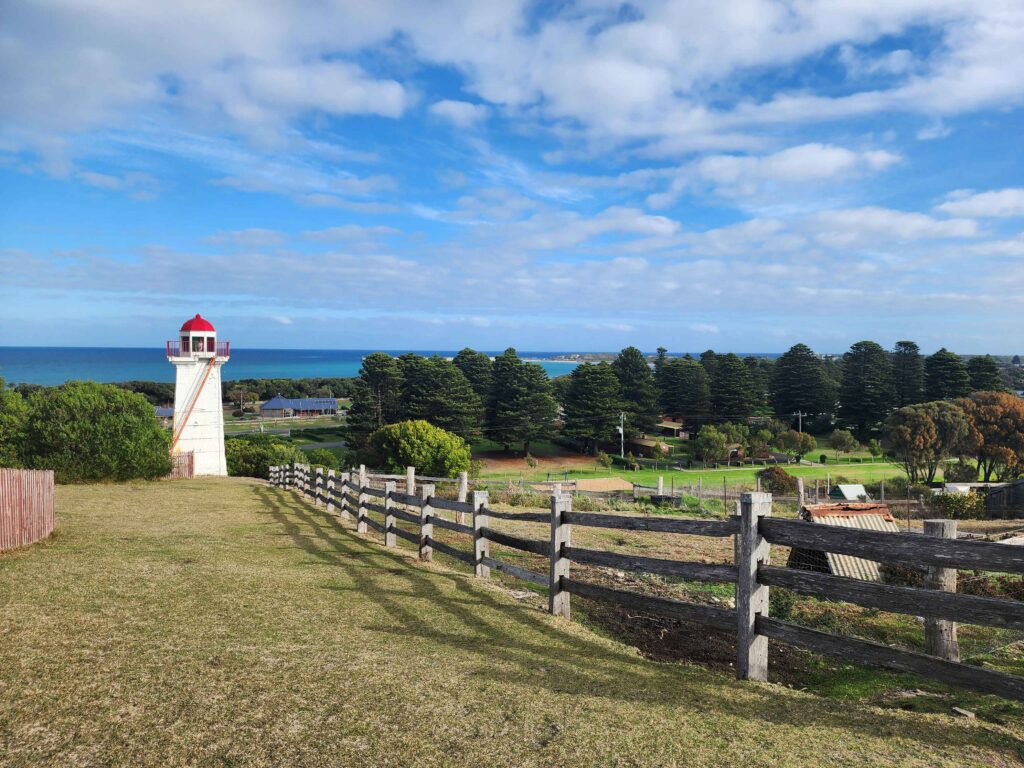
Overview of the Western Districts Region
The Western Districts encompass approximately 25,000 km² of Victoria’s premier pastoral country, including major centres of Hamilton, Warrnambool, Portland, Colac, and Camperdown, with over 300,000 residents including established communities of former Melbourne professionals who’ve successfully transitioned to productive rural living in Australia’s most reliable agricultural region.
The region’s strategic position between Melbourne and Adelaide, combined with Southern Ocean influence and elevated volcanic plains, creates exceptional agricultural advantages through reliable rainfall patterns, fertile volcanic soils, and natural pasture systems supporting world-class livestock enterprises and diverse agricultural operations.
Temperature patterns reflect the region’s temperate maritime climate with mild summers (typical maximums 22-26°C) and cool winters (typical minimums 4-8°C) creating comfortable year-round outdoor living conditions and optimal growing seasons for temperate agricultural enterprises and livestock operations.
The region’s volcanic geology creates Australia’s most fertile agricultural soils, from rich volcanic loams supporting intensive pastoral systems to lighter soils suited to specialty crops and diverse agricultural enterprises. This soil quality enables newcomers to develop highly productive agricultural systems with proven track records of success.
Water resources throughout the Western Districts include reliable rainfall patterns exceeding 600mm annually, numerous lakes and river systems, excellent bore water supplies, and comprehensive water storage opportunities providing exceptional water security for both domestic needs and intensive agricultural enterprises.
Land holdings range from small intensive pastoral blocks of 20-100 hectares perfect for families developing premium livestock enterprises to extensive pastoral stations exceeding 2,000 hectares suitable for comprehensive agricultural operations and commercial livestock enterprises.
Demographics & Urban Accessibility
The Western Districts’ strategic location between Melbourne and Adelaide creates exceptional accessibility to metropolitan services whilst maintaining authentic rural character and established agricultural communities supporting successful urban-to-rural lifestyle transitions.
Key Towns and Urban Centres
Hamilton serves as the inland region’s economic heart with approximately 10,000 residents, offering comprehensive rural services including agricultural supplies, veterinary clinics, banking facilities, and professional services essential for extensive pastoral operations. The town provides excellent educational facilities, medical services, and established networks supporting families transitioning from urban to extensive rural living.
Warrnambool functions as the coastal region’s major centre with over 35,000 residents, providing comprehensive urban amenities including major shopping centres, hospitals, educational institutions, and cultural facilities whilst maintaining strong agricultural connections and coastal lifestyle benefits.
Portland offers unique opportunities combining agricultural enterprises with coastal living and industrial employment through the aluminium smelter and deep-water port facilities. The city provides comprehensive services whilst maintaining rural agricultural character and coastal recreational opportunities.
Regional Centres including Colac, Camperdown, Terang, and Mortlake provide essential rural services including agricultural supplies, veterinary services, banking facilities, and community networks supporting extensive pastoral operations and rural lifestyle development.
Distance and Connectivity – Strategic Positioning
| Destination | From Hamilton | From Warrnambool | From Portland |
| Melbourne CBD | 290km (3.5 hours) | 260km (3 hours) | 360km (4 hours) |
| Melbourne Airport | 270km (3.5 hours) | 240km (3 hours) | 340km (4 hours) |
| Adelaide CBD | 430km (4.5 hours) | 460km (5 hours) | 360km (4 hours) |
| Geelong | 190km (2.5 hours) | 160km (2 hours) | 260km (3 hours) |
| Ballarat | 150km (2 hours) | 180km (2.5 hours) | 250km (3 hours) |
| Mount Gambier | 160km (2 hours) | 130km (1.5 hours) | 80km (1 hour) |
Daily Commuting Reality:
- All Western Districts locations impractical for daily Melbourne commuting
- Excellent for periodic business travel and professional consulting arrangements
- Regional centres provide comprehensive services reducing need for city travel
- Coastal areas offer unique lifestyle benefits combining agriculture with maritime activities
Transport Infrastructure:
- Princes Highway provides reliable Melbourne and Adelaide connectivity
- Hamilton Highway offers direct Melbourne access through Ballarat
- V/Line coach services connect major centres with Melbourne rail network
- Portland and Warrnambool ports provide freight and industrial connectivity
- Regional airfields support charter and private aviation requirements
Services and Infrastructure – Rural Excellence
Medical Facilities include Southwest Healthcare (Warrnambool), Hamilton Base Hospital, Portland District Hospital, and comprehensive primary healthcare throughout all major centres. Regional specialist services and proximity to Melbourne ensure access to metropolitan medical care when required.
Educational Opportunities encompass excellent public and private schools with strong rural character and agricultural programmes, Deakin University Warrnambool campus providing higher education access, and established agricultural education supporting rural career development.
Digital Connectivity – Essential for Remote Operations:
- NBN fibre available in all major towns with expanding rural coverage
- Fixed wireless coverage extending to most properties within 25km of centres
- Good mobile coverage throughout populated areas and major transport corridors
- Satellite internet increasingly popular for remote properties and rural businesses
- Professional services and co-working facilities emerging in major centres
Shopping and Services:
- Comprehensive shopping centres and retail facilities in Warrnambool and Hamilton
- Specialised rural merchandise stores and agricultural suppliers throughout the region
- Bunnings Warehouse and agricultural supply chains in major centres
- Quality dining, accommodation, and recreational facilities throughout the region
- Complete banking services and professional support networks in all centres
- Coastal recreational facilities and maritime services in Portland and Warrnambool
Land Use & Agricultural Potential
The Western Districts’ agricultural reputation stems from exceptional volcanic soil fertility, reliable rainfall patterns, and established pastoral systems enabling urban refugees to develop world-class livestock enterprises whilst building on generations of agricultural excellence and proven management systems.
Soil Types and Agricultural Suitability for Premium Pastoral Operations
Volcanic Loams throughout the central and eastern regions provide Australia’s most fertile pastoral soils, supporting intensive livestock enterprises with exceptional carrying capacities and premium livestock production. These rich, well-structured soils enable newcomers to achieve outstanding results with proper management and established grazing systems.
Red Volcanic Soils in elevated areas offer excellent structure and fertility suited to premium beef and sheep enterprises requiring minimal inputs whilst producing exceptional livestock performance. These soils provide forgiving growing conditions for newcomers whilst supporting established pastoral enterprises with proven profitability.
Basaltic Plains Soils across vast areas support extensive grazing systems with natural fertility and water retention enabling sustainable livestock enterprises with minimal external inputs. These soils suit families seeking extensive pastoral operations with proven long-term sustainability and environmental benefits.
Alluvial River Flats along creek and river systems provide exceptional fertility for intensive fodder production, market gardening, and specialty agricultural enterprises complementing extensive pastoral operations whilst providing income diversification opportunities.
Primary Agricultural Activities – World-Class Pastoral Systems
Prime Lamb Production represents the region’s premium agricultural enterprise with established breeding programmes, processing facilities, and premium market access providing excellent opportunities for families developing intensive livestock enterprises with reliable income potential.
Beef Cattle Enterprises utilise exceptional pasture systems and proven breeding programmes producing premium beef cattle for domestic and export markets. The region’s reputation for quality enables premium pricing and established market relationships supporting successful cattle enterprises.
Dairy Industry throughout coastal and well-watered areas provides established infrastructure, processing facilities, and proven management systems offering families reliable income streams and comprehensive agricultural support networks.
Wool Production combines with meat enterprises providing dual-purpose sheep systems maximising returns from pastoral operations whilst utilising established industry support and premium market access for high-quality wool products.
Rainfall and Water Resources – Reliability Advantages
| Area | Annual Rainfall | Elevation | Reliability | Pastoral Quality |
| Hamilton | 650mm | 230m | Very reliable | Excellent |
| Warrnambool | 750mm | 70m | Excellent | Premium |
| Portland | 850mm | 80m | Excellent | Outstanding |
| Colac | 680mm | 250m | Very reliable | Excellent |
| Camperdown | 600mm | 250m | Reliable | Very good |
Water resources include reliable rainfall patterns supporting natural pasture systems, numerous lakes and river systems providing stock water and irrigation opportunities, excellent bore water supplies throughout most areas, and comprehensive dam construction sites ensuring complete water security for extensive pastoral operations.
Water Planning for Pastoral Excellence:
- Natural rainfall supporting productive pasture systems without irrigation requirements
- Stock water readily available through dams, bores, and creek systems
- Irrigation opportunities for intensive fodder production and specialty crops
- Lake systems providing recreational opportunities and livestock watering
- Water storage infrastructure well-developed throughout the region
Western Districts Self-Sufficiency Considerations
The Western Districts provide exceptional opportunities for comprehensive self-sufficient living, combining reliable climate conditions, fertile soils, and proven agricultural systems enabling families to achieve complete food independence whilst maintaining connectivity to Melbourne and regional services.
Climate and Pastoral Advantages for Self-Sufficient Operations
The region’s temperate maritime climate creates optimal conditions for self-sufficient operations through reliable rainfall supporting natural pasture systems, moderate temperatures enabling comfortable year-round outdoor activities, and predictable seasonal patterns facilitating agricultural planning and food production.
Mild summers provide excellent conditions for agricultural activities, livestock management, and food processing whilst avoiding extreme heat stress common in inland regions. Cool winters enable traditional food preservation methods whilst maintaining livestock productivity through extended growing seasons.
Reliable seasonal patterns enable precise planning for breeding programmes, pasture management, and food production systems whilst providing natural refrigeration during cooler months and excellent drying conditions during warmer periods.
Energy Generation Opportunities:
- Good solar potential with reliable sunshine hours throughout the year
- Excellent wind resources particularly in coastal areas suitable for wind generation
- Micro-hydro potential on properties with creek systems and elevation changes
- Agricultural waste biomass from pastoral operations and timber resources
- Grid connectivity throughout most areas with renewable energy feed-in opportunities
Water Security and Management
The Western Districts’ reliable rainfall and comprehensive water resources create exceptional water security for self-sufficient operations. Consistent precipitation, natural water storage opportunities, and established infrastructure provide complete water independence for both domestic and agricultural requirements.
Domestic Water Systems:
- Rainwater harvesting providing substantial domestic water supplies from reliable precipitation
- Excellent bore water quality and sustainable yields throughout most properties
- Creek and river access providing additional water sources and recreational opportunities
- Natural springs common throughout volcanic country providing permanent water supplies
- Town water supplies available in developed areas with excellent quality standards
Agricultural Water Systems:
- Natural rainfall supporting productive pasture systems without irrigation requirements
- Stock watering systems utilising natural water sources and strategic storage
- Irrigation opportunities for intensive production areas and specialty crops
- Lake and dam systems providing livestock watering and recreational benefits
- Water recycling systems maximising efficiency for intensive enterprises
Food Production Systems
The Western Districts support comprehensive food production systems combining extensive pastoral enterprises with intensive production areas enabling complete food independence through integration of livestock, cropping, and horticultural systems utilising the region’s exceptional natural advantages.
Livestock-Based Food Systems:
- Premium beef production providing year-round meat supplies through strategic breeding programmes
- Sheep enterprises producing meat and wool whilst supporting sustainable pasture management
- Dairy operations providing comprehensive dairy products including milk, cheese, and butter
- Free-range poultry systems integrated with pastoral operations providing eggs and meat
- Alternative livestock including goats and deer utilising diverse pasture systems
Integrated Cropping Systems:
- Fodder production supporting livestock enterprises whilst providing human food crops
- Market garden areas producing vegetables for family consumption and local sales
- Orchard development utilising sheltered areas and favorable microclimates
- Grain production on suitable areas providing livestock feed and human consumption
- Specialty crops including herbs and medicinal plants complementing pastoral systems
Food Processing and Value-Adding:
- Traditional meat processing and preservation utilising cool climate advantages
- Dairy processing including cheese making and traditional preservation methods
- Fruit and vegetable processing utilising seasonal abundance and traditional techniques
- Wood smoking and drying facilities utilising local timber resources
- Value-adding opportunities for surplus production and income generation
Regional Sub-Areas & Towns in western districts victoria
The Western Districts’ diverse geography creates distinct subregions offering varying advantages for different agricultural interests, lifestyle preferences, and family needs from intensive coastal pastoral systems to extensive inland grazing operations.
Hamilton Region – Inland Pastoral Excellence
The Hamilton area provides exceptional opportunities for families seeking intensive pastoral enterprises with comprehensive rural services and established agricultural communities. The region’s position at the heart of Victoria’s premium pastoral country creates unparalleled opportunities for world-class livestock operations.
Family Considerations:
- Education: Quality regional schools with strong agricultural programmes and rural character
- Healthcare: Base hospital and comprehensive medical services supporting rural communities
- Services: Complete rural services including veterinary clinics, agricultural supplies, and professional support
- Community: Established pastoral families and agricultural organisations providing mentorship and support
- Recreation: Sporting facilities, cultural activities, and outdoor recreational opportunities
Property Characteristics:
- Price Range: $8,000-$20,000/hectare for premium pastoral properties
- Pastoral Quality: Exceptional volcanic soils supporting world-class livestock enterprises
- Infrastructure: Established pastoral improvements including yards, sheds, and water systems
- Carrying Capacity: Premium stocking rates enabling intensive profitable pastoral operations
Warrnambool Region – Coastal Agricultural Hub
The Warrnambool area offers unique opportunities combining premium pastoral enterprises with coastal lifestyle benefits and comprehensive urban amenities. The region’s coastal location and established agricultural industries create distinctive lifestyle and agricultural opportunities.
Family Considerations:
- Coastal Lifestyle: Beach access, maritime recreation, and coastal community benefits
- Education: Deakin University campus, excellent schools, and diverse educational opportunities
- Healthcare: Major regional hospital and comprehensive specialist services
- Culture: Regional cultural facilities, festivals, and established arts community
- Employment: Diverse economy including agriculture, education, and service industries
Property Characteristics:
- Price Range: $12,000-$30,000/hectare for coastal pastoral and agricultural properties
- Climate: Reliable rainfall and moderate temperatures supporting diverse agricultural systems
- Coastal Access: Beach proximity and coastal recreational opportunities
- Agricultural Diversity: Premium pastoral combined with dairy and intensive agricultural options
Portland Region – Industrial Agriculture Integration
The Portland area provides unique opportunities combining agricultural enterprises with industrial employment and deep-water port facilities. The aluminium smelter and port operations provide employment diversity whilst maintaining agricultural character and coastal lifestyle benefits.
Family Considerations:
- Employment: Industrial employment opportunities providing income security during rural transition
- Services: Comprehensive services including healthcare, education, and professional support
- Recreation: Coastal activities, fishing, and maritime recreational opportunities
- Community: Established industrial and agricultural communities supporting diverse lifestyles
- Infrastructure: Deep-water port facilities supporting agricultural export opportunities
Property Characteristics:
- Price Range: $10,000-$25,000/hectare for integrated agricultural and lifestyle properties
- Employment Integration: Agricultural enterprises combined with industrial employment opportunities
- Export Access: Port facilities providing direct access to international agricultural markets
- Coastal Benefits: Reliable rainfall and coastal climate supporting diverse agricultural enterprises
Colac Otway Region – Diverse Agricultural Systems
The Colac Otway area offers exceptional diversity combining pastoral enterprises with intensive agriculture, forestry operations, and specialty crop production. The region’s varied topography and reliable water resources create opportunities for comprehensive mixed farming systems.
Family Considerations:
- Diversity: Mixed agricultural systems providing multiple income streams and enterprise options
- Education: Regional school access and agricultural education programmes
- Recreation: Lake systems, forest areas, and diverse outdoor recreational opportunities
- Services: Regional centre services with agricultural industry support
- Community: Established mixed farming families and diverse agricultural networks
Property Characteristics:
- Price Range: $6,000-$18,000/hectare for diverse agricultural and mixed farming properties
- Agricultural Diversity: Combined pastoral, cropping, and intensive agricultural opportunities
- Water Resources: Lake systems and creek access supporting diverse enterprises
- Forestry Integration: Timber resources and agroforestry opportunities
western Districts Property Prices & Market Data
Western Districts land prices reflect exceptional soil quality, reliable rainfall, and established agricultural industries, with significant premium for proven pastoral properties and volcanic soil quality supporting world-class livestock enterprises.
Current Market Conditions
Price Influencing Factors for Pastoral Properties:
- Volcanic soil quality and proven carrying capacity significantly affecting property values
- Rainfall reliability and pasture productivity determining livestock enterprise potential
- Infrastructure quality including yards, sheds, fencing, and water systems
- Proximity to processing facilities, saleyards, and transport infrastructure
- Established pasture systems and pasture improvement history
- Coastal proximity and lifestyle benefits for premium coastal properties
Market Demand Characteristics:
- Strong institutional investment in premium pastoral properties and water rights
- Melbourne professional demand for lifestyle properties with agricultural potential
- Established pastoral family expansion and generational property succession
- International investment in Australian agricultural land and livestock enterprises
- Corporate agricultural investment in large-scale pastoral operations
Investment Considerations for Pastoral Lifestyle Buyers
The region’s exceptional soil quality, reliable rainfall, and established agricultural industries provide outstanding foundations for families transitioning from urban careers to pastoral enterprises whilst maintaining access to comprehensive rural services and Melbourne connectivity.
Financial Planning for Pastoral Operations:
- Property values reflecting proven agricultural productivity and soil quality providing stable investments
- Established pastoral enterprises offering immediate income potential through proven livestock systems
- Premium livestock markets and established supply chains ensuring reliable income streams
- Tax advantages through primary production enterprises and pastoral improvement allowances
- Agricultural consulting and professional support reducing establishment risks and learning curves
- Seasonal income patterns requiring cash flow management and financial planning
Operational Considerations for Pastoral Success:
- Established infrastructure reducing initial capital requirements for pastoral operations
- Livestock enterprise establishment requiring working capital and breeding stock investment
- Professional pastoral management and veterinary support ensuring livestock health and productivity
- Market timing and livestock marketing requiring industry knowledge and professional advice
- Pasture management and improvement systems ensuring long-term productivity and sustainability
- Weather risk management including drought preparedness and livestock management strategies
Legal & Regulatory Considerations
The Western Districts operate under comprehensive agricultural planning frameworks protecting established pastoral industries whilst enabling appropriate rural development and agricultural enterprise expansion throughout Victoria’s premier pastoral region.
Zoning and Planning Framework for Pastoral Properties
Farming Zone dominates throughout the region, supporting extensive pastoral enterprises, agricultural activities, and rural dwellings whilst protecting prime agricultural land from inappropriate development. This zoning provides excellent security for pastoral investments and long-term agricultural enterprises.
Rural Activity Zone applies in areas supporting intensive agricultural activities including processing facilities, agricultural industries, and intensive livestock operations. This zoning enables value-adding enterprises and agricultural business development.
Rural Living Zone applies near major towns enabling rural residential development whilst maintaining agricultural character and pastoral land use compatibility.
Pastoral Planning Considerations:
- Native vegetation protection requirements affecting pasture development and property improvements
- Cultural heritage assessments for properties containing Aboriginal and European heritage values
- Bushfire protection standards for properties in designated fire risk areas
- Waterway protection buffers affecting development near creeks and river systems
- Right to farm legislation protecting established pastoral enterprises from residential encroachment
Local Government Areas and Pastoral Support:
Southern Grampians Shire (Hamilton): Agriculture-focused planning approach, excellent rural infrastructure support, established pastoral industry expertise and comprehensive agricultural support services.
Warrnambool City Council: Balanced urban and agricultural development, coastal planning expertise, comprehensive services supporting pastoral and agricultural enterprises.
Glenelg Shire (Portland): Industrial and agricultural integration, port facility coordination, balanced development approach supporting diverse economic activities.
Colac Otway Shire: Mixed agricultural planning, environmental management expertise, comprehensive rural development support and agricultural industry facilitation.
Environmental and Heritage Management
The region contains significant environmental and heritage values requiring understanding for successful pastoral enterprise development including volcanic landscape protection, native grassland conservation, and Aboriginal cultural heritage recognition.
Environmental Compliance Requirements:
- Native vegetation offset requirements for pasture development and infrastructure improvements
- Waterway health protection including stock exclusion and riparian zone management
- Soil conservation requirements including erosion control and sustainable grazing practices
- Biodiversity conservation opportunities including habitat protection and carbon farming potential
- Sustainable agriculture incentives including environmental stewardship programmes and conservation funding
Heritage and Cultural Considerations:
- Aboriginal cultural heritage protection requiring assessment and appropriate management practices
- European heritage conservation affecting historic pastoral properties and heritage buildings
- Landscape protection maintaining rural character and scenic values throughout pastoral areas
- Community heritage values recognising established pastoral families and agricultural traditions
Practical Tips for Western Districts Buyers
Successful Western Districts property acquisition and pastoral enterprise development requires understanding established pastoral systems, livestock marketing, and community integration whilst maintaining realistic expectations about pastoral enterprise requirements and management commitments.
Site Selection and Assessment for Pastoral Success
Soil Quality and Carrying Capacity Assessment: Understanding soil types, fertility levels, and proven carrying capacity determines realistic livestock enterprise planning and expected productivity. Professional soil assessment and pasture evaluation prevents overestimating property potential whilst identifying improvement opportunities and optimal stocking strategies.
Infrastructure Evaluation and Development Planning: Assessing existing improvements including yards, sheds, fencing, and water systems determines additional investment requirements and immediate operational capability. Understanding infrastructure maintenance and upgrade requirements enables realistic budgeting and development planning.
Pasture Systems and Improvement History: Evaluating established pasture species, improvement history, and management practices determines ongoing management requirements and productivity expectations. Understanding pasture renovation needs and improvement opportunities ensures sustainable long-term pastoral productivity.
Market Access and Livestock Marketing: Assessing transport costs, saleyard access, and processing facility proximity determines viable livestock enterprises and marketing strategies. Understanding freight costs, livestock transport arrangements, and market timing ensures optimal returns from pastoral enterprises.
Pastoral Enterprise Development for Newcomers
Starting with Proven Systems: Beginning with established pastoral enterprises including prime lamb production, beef cattle operations, or dairy systems provides immediate income whilst enabling skill development through proven management systems and established market relationships.
Professional Support and Mentorship: Connecting with established pastoral families, agricultural consultants, and industry organisations provides essential knowledge transfer whilst accessing established supply chains, marketing networks, and professional support services.
Livestock Selection and Breeding Programmes: Understanding breed selection, breeding objectives, and genetic improvement programmes ensures optimal livestock performance whilst building sustainable breeding enterprises and premium market positioning.
Seasonal Management and Planning: Developing comprehensive seasonal management plans including breeding calendars, pasture management, and marketing strategies optimises productivity whilst managing seasonal variations and market timing.
Community Integration and Professional Networks
Agricultural Organisation Participation: Joining established agricultural organisations, producer groups, and industry associations provides networking opportunities, professional development, and advocacy support whilst accessing group marketing and purchasing benefits.
Local Community Engagement: Participating in community activities, local events, and volunteer organisations enables social integration whilst building essential support networks and mutual assistance arrangements.
Professional Service Networks: Establishing relationships with rural professionals including veterinarians, agricultural consultants, accountants, and rural merchandise suppliers ensures ongoing support whilst accessing professional advice and service coordination.
Continuous Learning and Development: Accessing ongoing education including field days, conferences, and training programmes ensures skill development whilst staying current with industry developments and best practice management techniques.
Conclusion
The Western Districts of Victoria represent an exceptional opportunity for Melbourne and Adelaide professionals seeking authentic rural lifestyle transformation through world-class pastoral enterprises and comprehensive self-sufficient living. The region’s exceptional volcanic soil fertility and reliable maritime climate create distinct advantages supporting premium livestock production and sustainable agricultural systems unavailable in most rural regions.
The region’s strategic positioning between Australia’s major southern cities, combined with established pastoral industries including processing facilities, research institutions, and comprehensive professional support networks, creates compelling advantages for families pursuing rural transition whilst maintaining access to metropolitan services and professional opportunities.
Whether seeking premium pastoral enterprises supporting world-class livestock production, comprehensive mixed farming systems combining multiple agricultural activities, or extensive grazing operations utilising proven sustainable systems, the Western Districts provide the soil quality, climate reliability, infrastructure, and community support necessary for successful pastoral operations and rural lifestyle transformation.
Success in Western Districts rural transition requires understanding established pastoral systems, livestock marketing networks, and community integration whilst maintaining realistic expectations about pastoral enterprise management and long-term commitments. The comprehensive industry support infrastructure, established networks of successful pastoral families, and world-class agricultural systems provide crucial resources for families achieving their pastoral excellence and comprehensive self-sufficiency objectives in Australia’s premier pastoral region combining agricultural productivity with authentic rural lifestyle benefits.
Frequently Asked Questions
The Western Districts are best known for fertile volcanic soils, sheep grazing, fine wool production, and productive pastures that support both small and large-scale farming.
Yes, the combination of reliable rainfall, pastureland, and mixed farming options makes it suitable for self-sufficiency, particularly for sheep, cattle, and grain-based operations.
Wheat, barley, canola, and oats grow well in the region, alongside pastures for livestock. The volcanic soils also support specialty crops and small-scale horticulture.
Annual rainfall varies across the region, averaging 600–900 mm, making it one of Victoria’s more reliable agricultural zones.
Sheep for wool and meat dominate, but the region also supports beef cattle, dairy, and increasingly diversified small-scale operations.
Prices vary, with productive farmland commanding a premium. Smaller blocks suitable for hobby farming and self-sufficiency are available at more affordable levels, particularly away from larger towns.
Challenges include soil erosion in certain areas, pasture management, and the need for efficient water use during drier periods.
Yes, many people use smaller holdings in the region for hobby farms, sheep grazing, and mixed self-sufficient lifestyles.
Check out our guide on how to buy a farm if you’re wanting to take your research to the next step. If you’re going to be financing your purchase, our handy tool will allow you to compare loans and payment schedules to make sure you’re comfortable with your negotiations.