
Breeding Ducks for Self-Sufficiency
Raising ducks on a self-sufficient farm or homestead offers a variety of benefits, from fresh eggs to natural pest control and even meat production. Ducks are hardy, easy-to-care-for animals that can thrive in various environments. In this guide, we’ll explore the essential aspects of raising ducks, including different types, reasons for raising them, shelter and equipment requirements, and their food and water needs. By the end, you’ll have a comprehensive understanding of how to successfully incorporate ducks into your self-sufficient lifestyle.
Types of Ducks for Self-Sufficiency
Before starting with ducks, it’s essential to choose the right breed for your purposes. Different duck breeds are better suited for various needs, whether for egg production, meat, or even ornamental purposes. Here’s a breakdown of some of the most common duck types and their primary uses:
Egg Production Ducks
- Khaki Campbell: Known for their prolific egg-laying abilities, Khaki Campbell ducks are one of the best breeds for egg production. They can lay up to 300 eggs per year, making them a top choice for homesteads focused on self-sufficiency.
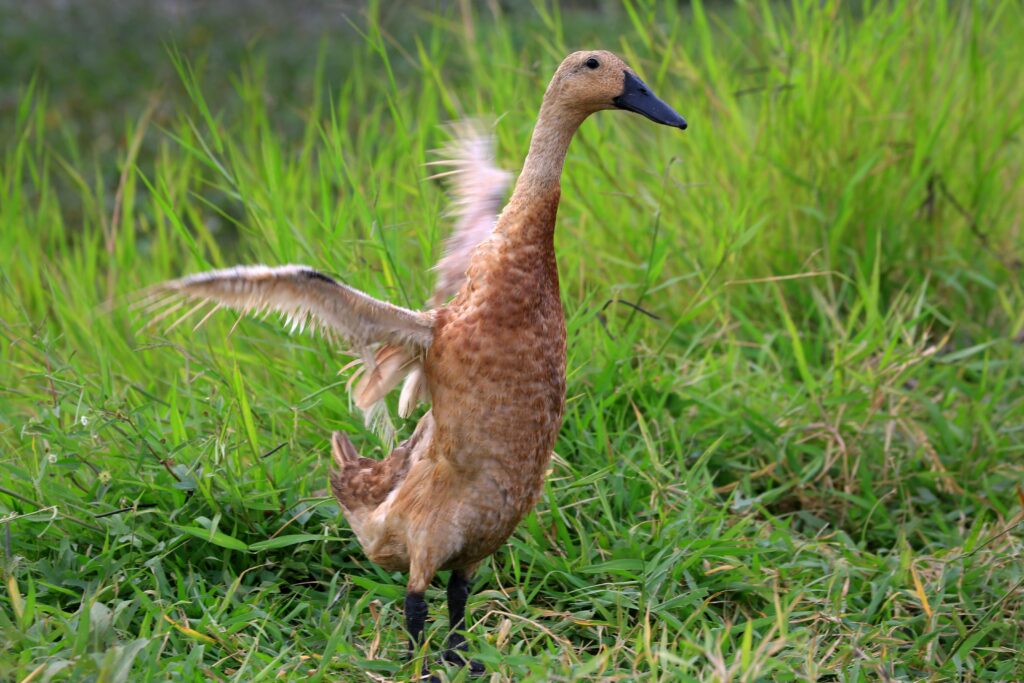
- Indian Runner: These ducks are highly active and excellent layers, producing up to 250 eggs annually. They have an upright posture and are great foragers, making them perfect for homesteads where space is available for them to roam freely.
Meat Production Ducks
- Pekin: The Pekin duck is a large, meaty breed prized for its tender and flavorful meat. They grow quickly, reaching market weight within eight weeks, which makes them an excellent choice for meat production.
- Rouen: Similar to the Pekin, Rouen ducks are also used for meat production. They are larger in size and have rich, flavorful meat, but they take a bit longer to reach maturity, making them a good choice for those with ample space and time.
Dual-Purpose Ducks (Eggs and Meat)
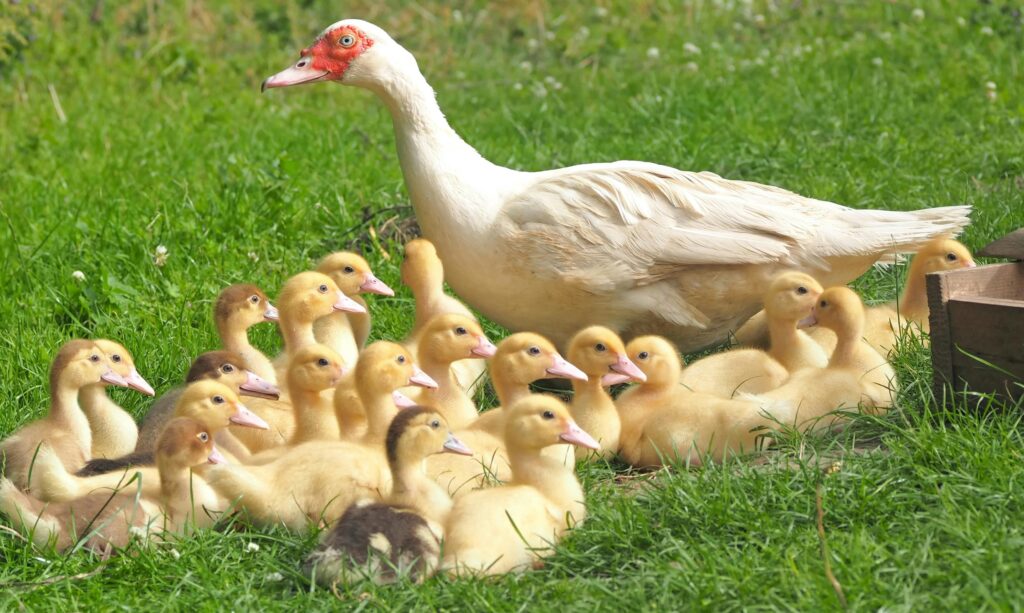
- Muscovy: Unlike other duck breeds, Muscovy ducks are quieter and have a more gamey-flavored meat. They are a good option for those seeking both eggs and meat, and they’re known for their hardiness and ability to adapt to various climates.
- Swedish Blue: Swedish Blue ducks are another great dual-purpose breed, offering both good egg production and tender meat. They’re known for being friendly and calm, making them easier to handle, especially in a homestead setting.
Ornamental Ducks
- Call Ducks: These small, cute ducks are often raised for ornamental purposes or as pets. While they do lay eggs, their primary purpose is usually for decoration or for those who want to keep a few ducks in a small space.
- Cayuga: Known for their striking black feathers, Cayuga ducks are a popular choice for ornamental purposes but can also be raised for meat. They produce smaller eggs compared to other breeds but are still a good choice for small-scale homesteads.
Reasons for Breeding Ducks on a Self-Sufficient Farm
There are several compelling reasons to incorporate ducks into your self-sufficient farm or homestead. These reasons go beyond just the eggs and meat; ducks provide many valuable contributions to a sustainable, low-maintenance farm environment.
Egg Production
Ducks lay eggs that are larger and richer than chicken eggs, and they can be used in various recipes. Depending on the breed, ducks can lay more eggs per year than chickens. Eggs from ducks are also a sought-after commodity for those looking for unique products for sale.
Meat Production
Duck meat is flavorful and versatile, offering a different taste profile compared to chicken. Breeds like Pekin and Rouen are especially prized for their rich and tender meat. Ducks can be a reliable source of protein for the homestead.
Pest Control
Ducks are excellent foragers and love to eat insects, slugs, and snails. By allowing ducks to roam freely in your garden or orchard, they can significantly reduce pest populations without the need for harmful chemicals. This makes ducks a valuable addition to organic farming systems.
Manure Production
Duck manure is high in nitrogen and can be used as an excellent fertilizer for gardens, orchards, or fields. Unlike chicken manure, which can be too potent if used directly, duck manure can be composted and applied as a nutrient-rich soil amendment. This helps improve soil quality and supports a regenerative agricultural system.
Feather and Down
If you raise ducks for an extended period, you may want to collect their feathers for use in bedding or insulation products. Duck down, especially from breeds like the Muscovy, is known for its warmth and soft texture and can be used in various handmade or craft applications.
How to Breed Ducks for Self-Sufficiency
Raising ducks on a homestead requires some basic knowledge of their care, but the process is relatively simple compared to raising other types of poultry. Below are the essential elements you need to consider when raising ducks:
Shelters and Housing
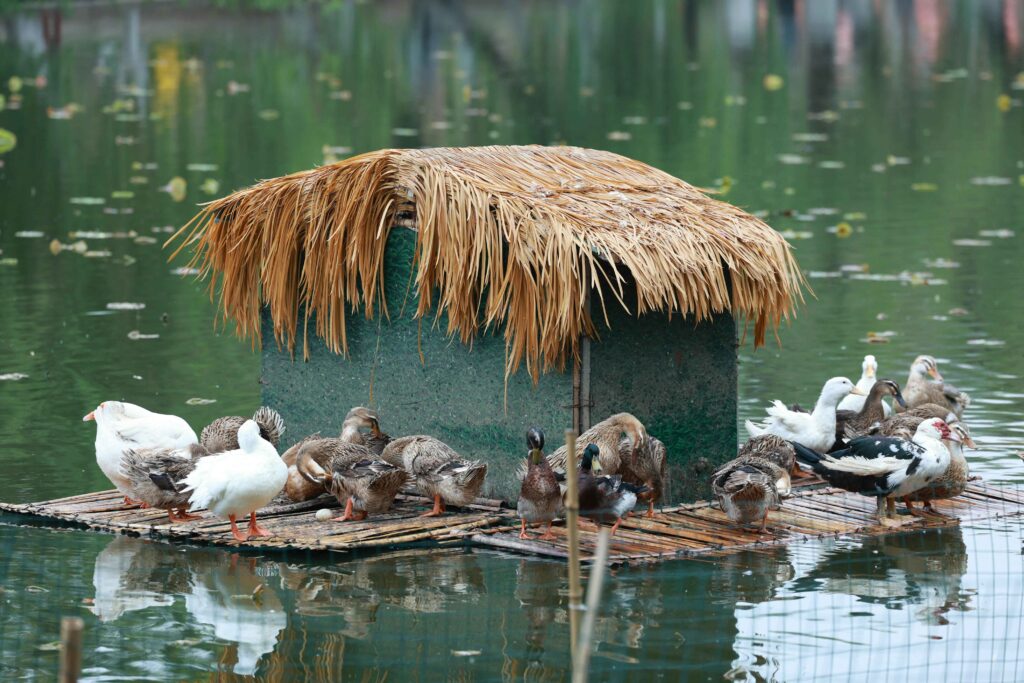
Ducks need a safe, secure place to sleep and lay eggs. Their shelter should be well-ventilated, dry, and insulated from extreme weather conditions. The following are key considerations for building or buying a duck shelter:
- Space: Each duck should have at least 1.5 square feet of space inside the shelter. Ducks need room to spread out and sleep comfortably, so ensure the shelter is spacious enough to avoid overcrowding.
- Nesting Boxes: Provide a nesting box or a quiet, secluded area for ducks to lay eggs. A nesting box should be lined with straw or hay to make it comfortable and dry.
- Water Source: Ducks need access to water for drinking, bathing, and cleaning their nostrils. A shallow pond or kiddie pool is ideal, but ensure the water is cleaned regularly to avoid contamination. Ducks also need water for drinking, which should be provided in clean, accessible containers.
- Protection from Predators: Ducks are vulnerable to predators such as foxes, raccoons, and birds of prey. Make sure the shelter is secure with strong wire mesh or chicken wire to prevent predators from entering. A roof may also be necessary to protect ducks from aerial threats.
Feeding and Watering
Ducks are omnivores and will eat a variety of foods. Here’s a breakdown of their feeding and watering needs:
- Commercial Duck Feed: Provide a balanced commercial duck feed that is specifically formulated for ducks. These feeds contain the necessary nutrients for growth, egg production, and overall health.
- Grains and Vegetables: Ducks can be supplemented with grains such as corn, oats, and barley, along with vegetables like lettuce, peas, and carrots. Ducks are excellent foragers, so allow them to roam in your garden or orchard to access these foods naturally.
- Fresh Water: Ducks need constant access to fresh water. They will drink more water than chickens, and their water should be replenished daily to ensure they stay hydrated and healthy. Ducks also need access to water for cleaning themselves, which helps prevent diseases like duck dermatitis.
Equipment Needed for Breeding Ducks
Aside from their shelter, there are a few essential pieces of equipment you’ll need to raise ducks successfully:
- Feeders: Ducks require special feeders that minimize waste and allow them to eat comfortably. Raised feeders are often preferred as they keep feed cleaner and prevent it from becoming contaminated with water or bedding.
- Waterers: Since ducks love to splash and swim in their water, it’s important to provide waterers that can handle their mess. Consider using a duck-specific waterer or a large container that can be refilled easily.
- Bedding: Use bedding materials like straw or wood shavings to line the floor of the duck shelter. This absorbs moisture, keeps the shelter dry, and provides a comfortable space for ducks to sleep.
- Fence/Run: If you plan to keep your ducks in a pen or run, ensure that the fencing is strong and secure to prevent escape or predator entry. Use chicken wire or welded wire mesh, and ensure the fencing is high enough (at least 1.5 meters) to keep ducks from flying out.
Food and Water Requirements for Ducks in Australia
Ducks are relatively simple to feed, but their nutritional needs must be met to ensure they thrive, especially in the varied climates across Australia. Here are the main food and water considerations:
Feeding Ducks
In Australia, ducks can be raised on a diet of high-quality duck or poultry feed, which is designed to provide all the essential nutrients for growth, reproduction, and overall health. Commercial duck feed is the most reliable option for ducks, but it should be supplemented with natural foraged food where possible. Here are some key components:
- Grains: Ducks enjoy grains like oats, barley, wheat, and corn. In regions with surplus grains, these can be used to supplement their diet. Grains are important for providing energy and promoting healthy feather growth.
- Leafy Greens: Ducks enjoy fresh vegetables such as spinach, lettuce, kale, and cabbage. Growing these greens on your farm can help reduce feed costs while providing ducks with healthy nutrients.
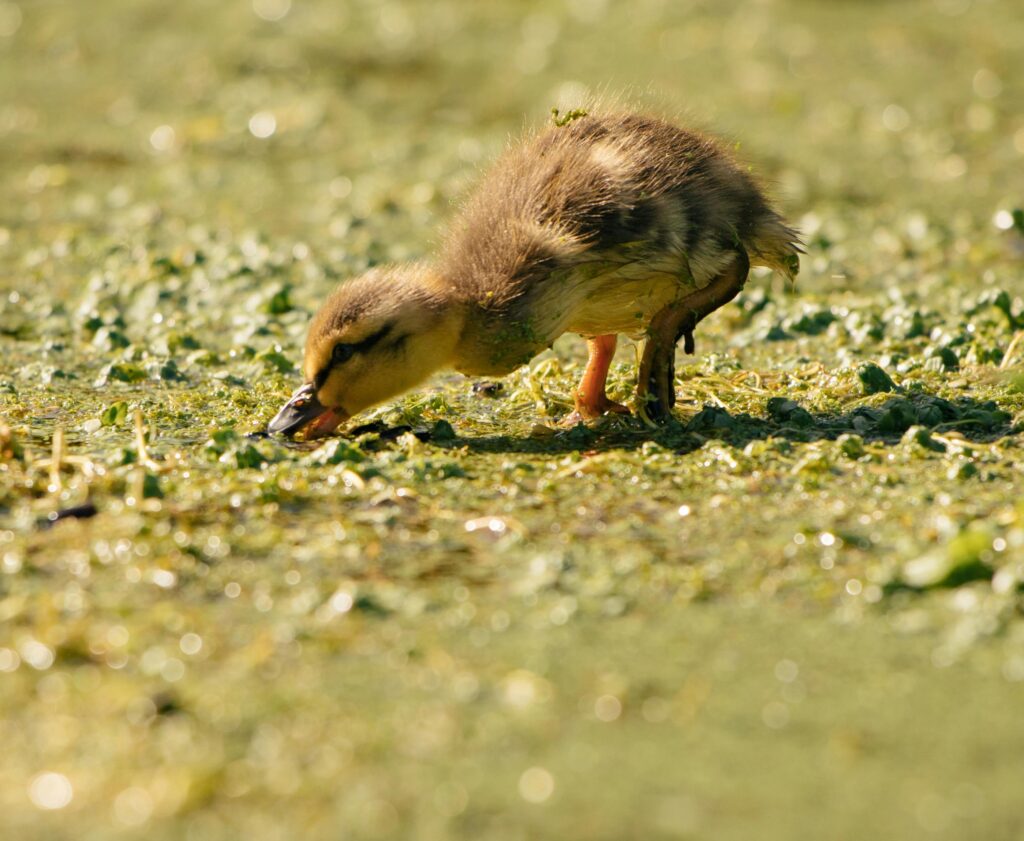
- Insects and Bugs: Ducks are excellent foragers and thrive on eating insects, slugs, snails, and even small amphibians. This is especially beneficial in helping to reduce pests on your property while providing ducks with a rich source of protein.
Water
Ducks need clean, fresh water throughout the day, not just for drinking but also for washing and cooling themselves. The Australian climate can vary significantly, so the availability and cleanliness of water are even more crucial.
- Water Source: A small pond or kiddie pool is ideal for ducks, but it is important to maintain clean water by regularly replacing it. Ducks are messy and will muddy their water quickly, so it’s essential to ensure they always have access to fresh water.
- Hydration: Ducks are heavy drinkers, particularly in warmer regions like the Australian Outback or coastal areas. During hot summers, ensure they have ample access to water and provide extra water containers in the shade to avoid dehydration.
Supplementing with Foraging
Letting ducks forage freely on your property is an excellent way to reduce feed costs. In rural Australian environments, ducks can scavenge insects and plants from fields, gardens, and orchards. In the hotter climates, this becomes even more beneficial as ducks can naturally regulate their diet, eating what is seasonally available. The ability to forage is particularly valuable when you raise ducks on a self-sufficient farm where you want to minimize external feed input.
Space and Land Considerations for Breeding Ducks
The space you allocate for your ducks plays a significant role in their well-being. Ducks need more space than other poultry to thrive, especially if they are being raised in larger flocks.
Land Size
In Australia, the land requirements for ducks depend on the breed and the number of ducks you’re raising. A good rule of thumb is:
- Outdoor Space: Ducks should have at least 4–6 square meters of space per duck in an outdoor pen. If you’re raising a larger number of ducks, you’ll need to allocate more space for them to roam.
- Free-Range Options: Free-range ducks require a much larger area, and you should allow them to roam over your garden, orchard, or fields. Ducks need space for foraging, bathing, and walking around, so if you have a larger homestead or farm, consider rotating ducks in different areas to allow for recovery and prevent overgrazing.
Climate and Shelter Needs in Australia
The Australian climate can vary from tropical rainforests to dry deserts, so your ducks’ shelter needs may differ depending on your location:
- Hot and Dry Regions (e.g., Outback): Ducks in these areas will need ample access to water and shaded areas to protect them from the harsh sun. Ensure their shelter has plenty of ventilation, as well as an area where they can cool down.
- Coastal and Humid Areas: In coastal areas with high humidity, ensure your duck shelter is well-ventilated to prevent mold and mildew. Ducks can adapt to high humidity, but good air circulation is key to their health.
- Cold Regions: In cooler parts of Australia, such as Tasmania or the alpine regions, ducks will need a well-insulated shelter to protect them from the cold. However, unlike chickens, ducks don’t require as much protection from the cold, and most breeds can tolerate cooler temperatures, as long as they have a dry space to sleep.
Estimated Costs Associated with Breeding & Keeping Ducks
Raising ducks on a self-sufficient farm can be cost-effective, but there are some initial and ongoing expenses. Here’s a breakdown of the estimated costs involved in raising ducks in Australia:
Initial Setup Costs
- Shelter: The cost of building a duck shelter varies depending on size and materials, but you can expect to pay between $300 to $1,000 for a basic shelter that provides proper space, ventilation, and security.
- Ducklings: Purchasing ducklings from a hatchery can cost around $10–$30 per bird, depending on the breed. It’s recommended to buy a few more than you need, as some ducklings may not survive.
- Feeders and Waterers: Duck feeders and waterers typically cost around $20–$50 each. Larger automatic watering systems for bigger flocks can cost up to $200–$500.
- Fencing: If you plan on keeping ducks in a run, fencing will be necessary. Basic chicken wire or welded wire mesh can cost between $2–$4 per meter, depending on the height and material.
Ongoing Costs
- Feed: Duck feed typically costs around $30–$50 per 20kg bag, which can last several weeks for a small flock. If ducks are free-ranging and foraging, their feed costs will decrease, but supplementary feed will still be needed.
- Water: While water is generally free, ensuring a clean, consistent water source may involve some cost for maintenance, especially in areas where water needs to be filtered or pumped.
Health and Care of Ducks
Ducks are generally hardy creatures, but like any livestock, they require attention to stay healthy. Regular health checks, vaccinations, and disease prevention are necessary to ensure the flock thrives.
Common Health Issues
- Respiratory Problems: Ducks are prone to respiratory issues in poorly ventilated or damp conditions. Always ensure their shelter is well-ventilated and dry.
- Parasites: Like other poultry, ducks can be affected by external parasites such as mites and lice. Regularly check for signs of parasites and apply treatments as necessary.
- Leg Problems: Ducks can suffer from leg and foot issues if kept in overcrowded or wet conditions. Ensure the ground in the duck run remains dry and that ducks have sufficient space to move around.
Vaccinations and Biosecurity
Ducks should be vaccinated against common poultry diseases, including avian influenza. It’s essential to maintain good biosecurity practices to reduce the risk of infection from wild birds or external sources.
Selling Duck Products
Once your ducks are well-established, you may decide to sell eggs, meat, or even ducklings. In Australia, there is growing demand for both duck eggs and meat, as many people appreciate the rich flavor of duck products. Here are a few considerations for selling:
- Eggs: Duck eggs can be sold in local markets, directly to customers, or to restaurants looking for specialty eggs. Duck eggs are prized for their rich taste, making them a valuable commodity in the right market.
- Meat: Duck meat can be sold to local butchers, specialty stores, or directly to customers. Make sure to check local regulations for meat sales in your area to ensure compliance with food safety laws.