Growing Flowers for Self-Sufficiency
Flowers are not only beautiful additions to a self-sufficient homestead but also incredibly versatile and beneficial. Whether you want to grow them for personal enjoyment, to enhance your food garden, or for use in products like cosmetics, essential oils, or even as a source of income, flowers offer an array of opportunities. This guide will take you through everything you need to know to successfully grow flowers in a sustainable and self-sufficient manner.
Types of Flowers for Self-Sufficiency
Choosing the right types of flowers for your homestead is a crucial step in your growing journey. There are many types of flowers you can grow for various uses – medicinal, culinary, aesthetic, or even for profit. Below are some common categories of flowers you may want to consider for your garden:
Medicinal Flowers
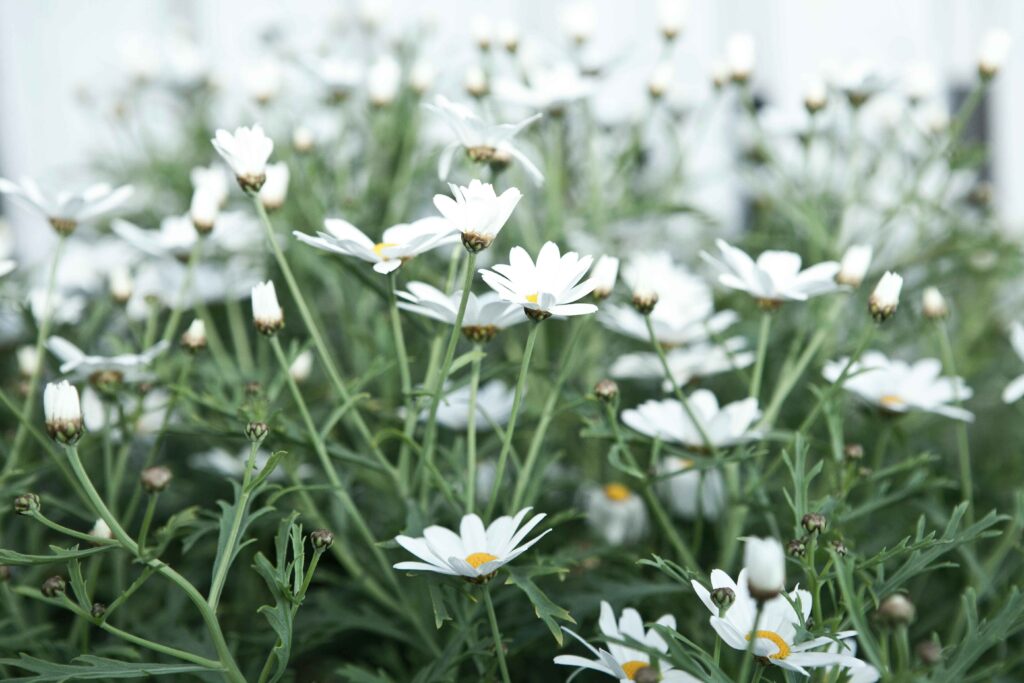
Certain flowers have medicinal properties that can be used for natural remedies. For instance, calendula is known for its anti-inflammatory and antiseptic properties and is commonly used in balms and salves. Chamomile, famous for its calming effects, can be brewed into tea for its relaxation benefits. Other examples include lavender, which is often used for its soothing scent and sleep-promoting qualities, and echinacea, known for boosting the immune system. If you haven’t already, try out our herb planting advisor to learn which types of herbs you should plant to remedy ailments.
Culinary Flowers
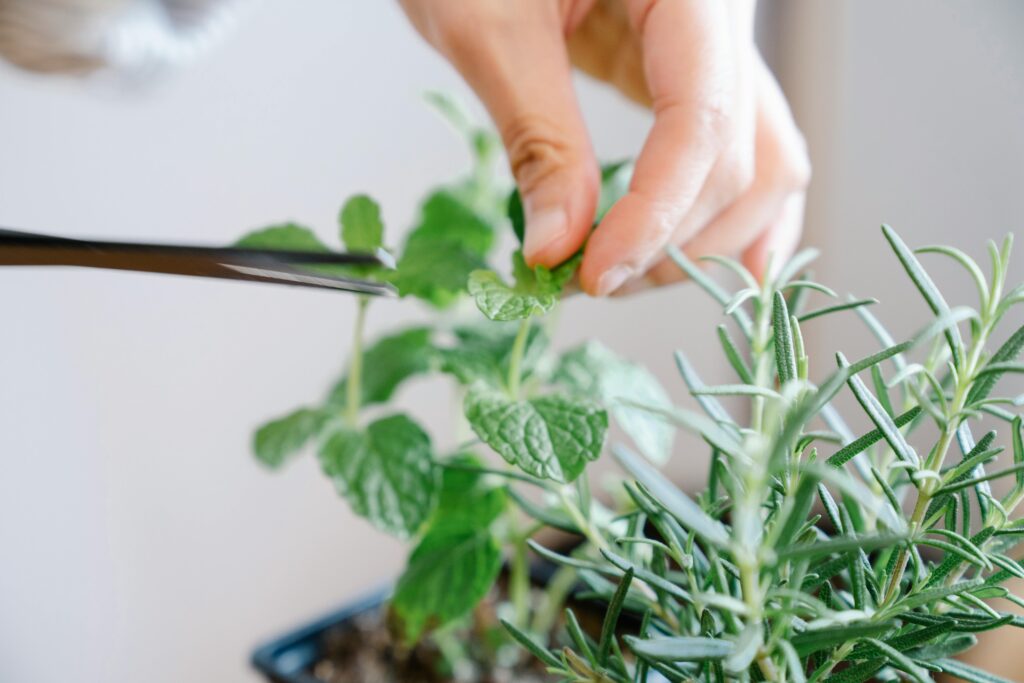
Edible flowers are an excellent addition to any self-sufficient garden, offering both beauty and nutrition. Flowers like nasturtiums, pansies, and violets are edible and can be used in salads, desserts, and teas. Lavender and rosemary are also popular choices for culinary purposes, as they add unique flavors to dishes. Growing edible flowers not only helps diversify your meals but also ensures you’re using natural, pesticide-free ingredients.
Flowers for Pollination
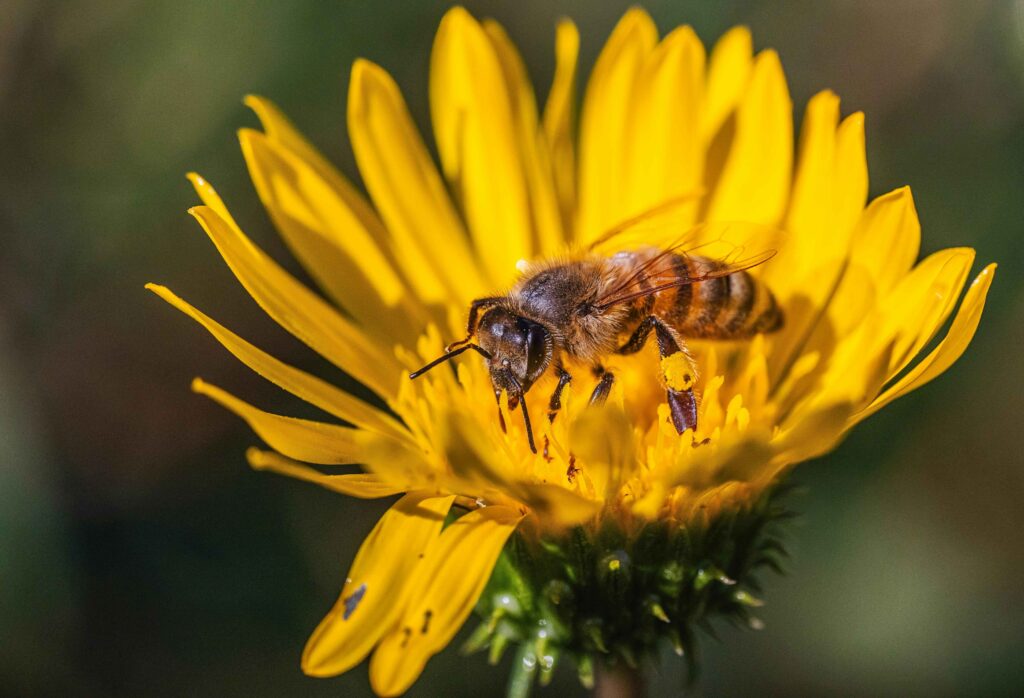
Flowers that attract pollinators are essential for a healthy, thriving garden. Sunflowers, lavender, and borage are excellent choices for attracting bees and butterflies, ensuring the pollination of nearby crops. Pollinators are vital for fruit and vegetable production, and by planting these flowers, you’re supporting your entire garden ecosystem.
Flowers for Perfumery and Essential Oils
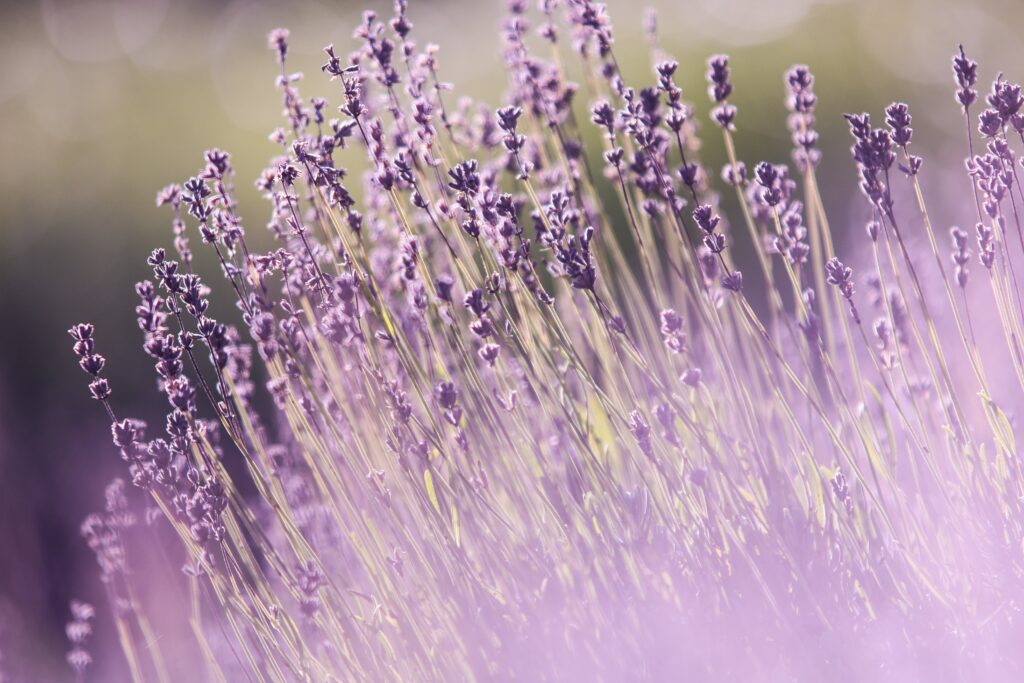
If you’re interested in creating products for sale or personal use, growing flowers that can be distilled for essential oils or perfumes might be a worthwhile investment. Lavender, roses, and jasmine are popular choices for this purpose. These flowers are often turned into oils for use in cosmetics, aromatherapy, or homemade cleaning products.
Flowers for Market Sales
If you’re considering selling flowers, you’ll want to select varieties that are in demand. Cut flowers like roses, peonies, tulips, and daffodils are always popular at markets. Sunflowers and gerbera daisies are also great for bouquets. Growing a mix of flowers that bloom at different times of the year can help ensure a steady supply for market sales, making your flower farming venture more profitable.
Reasons for Growing Flowers on a Self-Sufficient Farm
Growing flowers on your homestead isn’t just about aesthetics—it can serve a variety of purposes. Here are some of the main reasons why flowers should be part of your self-sufficient lifestyle:
Ecological Balance
Flowers play an essential role in maintaining ecological balance on your farm. By providing food and habitat for pollinators, you help support biodiversity and create a thriving ecosystem. Flowers attract bees, butterflies, and other insects that are crucial for pollinating your vegetable and fruit crops.
Aesthetic Value
Flowers bring beauty to any space, turning a simple homestead into a serene and vibrant environment. Whether you’re creating a decorative flower bed, a fragrant herb garden, or a cutting garden, flowers provide a visual and sensory appeal that enhances the overall atmosphere of your home.
Food and Medicine
Edible and medicinal flowers are an essential part of a self-sufficient lifestyle. By growing your own flowers, you ensure that you have a steady, fresh supply of these plants, which can be used in cooking, teas, and natural remedies. This reduces your reliance on store-bought products and helps you live a more sustainable and independent lifestyle.
Economic Opportunities
Flowers can be sold at local markets, to florists, or online, providing an additional source of income for your homestead. Certain flowers, such as roses, lilies, and peonies, are particularly in demand and can be sold for a good price. Flower farming can become a profitable business, especially if you grow specialty flowers like lavender for essential oils or chamomile for herbal teas.
Natural Products for Daily Use
Flowers can be used to make a variety of products, from essential oils and perfumes to bath salts and beauty creams. Having a supply of flowers such as lavender, rosemary, and roses allows you to make homemade, all-natural products for personal use or for sale.
How to Grow Flowers for Self-Sufficiency
Successfully growing flowers for a self-sufficient farm requires understanding the specific needs of each type of flower you plan to cultivate. Here are some general tips on how to grow flowers for self-sufficiency:
Soil and Site Preparation
The first step in growing flowers is preparing the soil. Flowers generally prefer well-drained, fertile soil with a slightly acidic to neutral pH. Before planting, test your soil and amend it with compost or organic matter to improve fertility and drainage. Raised beds or containers are a great option for flowers if your soil isn’t ideal.
Choose a site with ample sunlight—most flowers require at least 6 hours of direct sunlight each day. Ensure the site has good airflow to reduce the risk of fungal diseases. If you are planting flowers as companions to vegetables or fruits, consider their placement to maximize pollination benefits.
Planting and Spacing
Different flowers have different planting needs, but most benefit from being spaced to allow for proper air circulation and growth. Follow the specific instructions for each flower regarding spacing and planting depth. Many flowers can be started from seed, while others may be best purchased as seedlings or young plants.
For instance, sunflowers should be planted at least 18 inches apart, while smaller flowers like pansies can be planted closer together. Be mindful of the height of your plants as well—taller flowers should be planted toward the back of the garden, while shorter ones should be placed toward the front.
Watering and Fertilising
Once your flowers are planted, water them regularly, especially during dry spells. Flowers generally prefer consistent moisture, but avoid overwatering, which can lead to root rot. Mulching around your flowers helps retain moisture and suppress weeds.
Fertilizing your flowers will also encourage healthy growth and vibrant blooms. Organic fertilizers such as compost or well-rotted manure are excellent options for enriching the soil. Use a balanced fertilizer with an equal ratio of nitrogen, phosphorus, and potassium to promote overall growth.
Watering and Maintenance
Proper watering is essential for the health and longevity of your flowers. Most flowers require consistent moisture, but overwatering can lead to root rot and disease. To avoid this, it’s important to water deeply but infrequently, allowing the soil to dry out slightly between waterings. Consider using a drip irrigation system or soaker hoses to ensure that water reaches the roots directly without wetting the leaves, which can promote fungal diseases.
During the flowering season, it’s also important to deadhead your flowers—removing spent blooms to encourage further flowering and prevent the plant from diverting energy to seed production. Regularly check for pests, such as aphids, caterpillars, and slugs, and remove them manually or with natural pest control methods like neem oil or insecticidal soap.
Companion Planting with Flowers
Companion planting involves growing certain plants together that benefit one another. Many flowers can act as companions for vegetables, herbs, and other crops by providing shade, attracting pollinators, or deterring pests.
For example, planting marigolds with tomatoes can help repel nematodes and aphids, while lavender and rosemary can deter pests from nearby crops. Flowers like nasturtiums can also act as a trap crop for aphids, keeping them away from more valuable plants.
Uses of Flowers Beyond the Garden
In addition to their aesthetic and ecological benefits, flowers can have numerous other uses, making them an excellent addition to your self-sufficient homestead.
Dried Flowers for Crafts and Decoration
Dried flowers are a popular material for creating homemade crafts and decorations. You can dry flowers like lavender, roses, and daisies, and use them for potpourri, wreaths, and other handmade items. These can be sold at local markets or used to decorate your own home.
Flower-Based Products
As mentioned earlier, many flowers are used to create products like essential oils, perfumes, teas, and cosmetics. Lavender and rose are particularly popular for their fragrance and healing properties, while calendula and chamomile can be used to make soothing balms and lotions.
Pollinator Gardens
Flowers that attract pollinators play an important role in your garden ecosystem. By growing a variety of nectar-rich flowers, you’ll encourage bees, butterflies, and other insects that are essential for pollination. This, in turn, will help support the growth of your other crops, from vegetables to fruits.
Harvesting and Storing Flowers
Once your flowers are ready to bloom, it’s important to harvest them at the right time for maximum longevity. For cut flowers, the best time to harvest is early in the morning when the flowers are fully hydrated. For flowers that are meant to be dried, harvest them when they are at their peak but before they begin to wilt or fade.
After harvesting, store flowers properly to preserve their quality. Fresh cut flowers should be placed in water immediately, while dried flowers should be hung upside down in a cool, dry area with good air circulation.
Conclusion: Sustainable Flower Gardening for Self-Sufficiency
Growing flowers for self-sufficiency is a highly rewarding endeavor that offers a range of benefits, from medicinal and culinary uses to economic opportunities. By selecting the right varieties, understanding the soil and climate requirements, and providing proper care, you can successfully cultivate a variety of flowers on your homestead.
Not only will you create a beautiful and biodiverse environment, but you’ll also be contributing to the sustainability of your land, attracting pollinators, and providing valuable resources for your family or local market. Whether for personal enjoyment, healing, or profit, flowers can be an essential and enriching part of a self-sufficient lifestyle. With careful planning and commitment, your flower garden can thrive, providing you with beauty, joy, and practical benefits for years to come.