
Poultry Preservation Techniques & Advice
Preserving poultry is an essential skill for anyone committed to self-sufficiency, whether you’re raising chickens, ducks, or turkeys. Proper preservation methods allow you to store meat safely, extend its shelf life, and enjoy a steady supply of high-quality protein throughout the year. Depending on your needs, available resources, and climate, different preservation techniques may be more suitable than others. This guide covers the most effective poultry preservation methods, their costs, necessary equipment, and best practices for Australian homesteaders and small-scale farmers.
Why Preserve Poultry?
For those living a self-sufficient lifestyle, preserving poultry ensures food security, reduces waste, and provides flexibility in meal planning. The right preservation technique depends on several factors, including:
- The length of storage required
- Available storage space (e.g., refrigeration, freezer capacity, pantry space)
- Desired texture and flavour of the meat
- Climate and humidity levels in your area
- Initial investment and ongoing maintenance costs
Each method has its own advantages, and choosing the right one ensures you get the best quality and taste while keeping your food safe.
Common Poultry Preservation Methods
1. Freezing Poultry
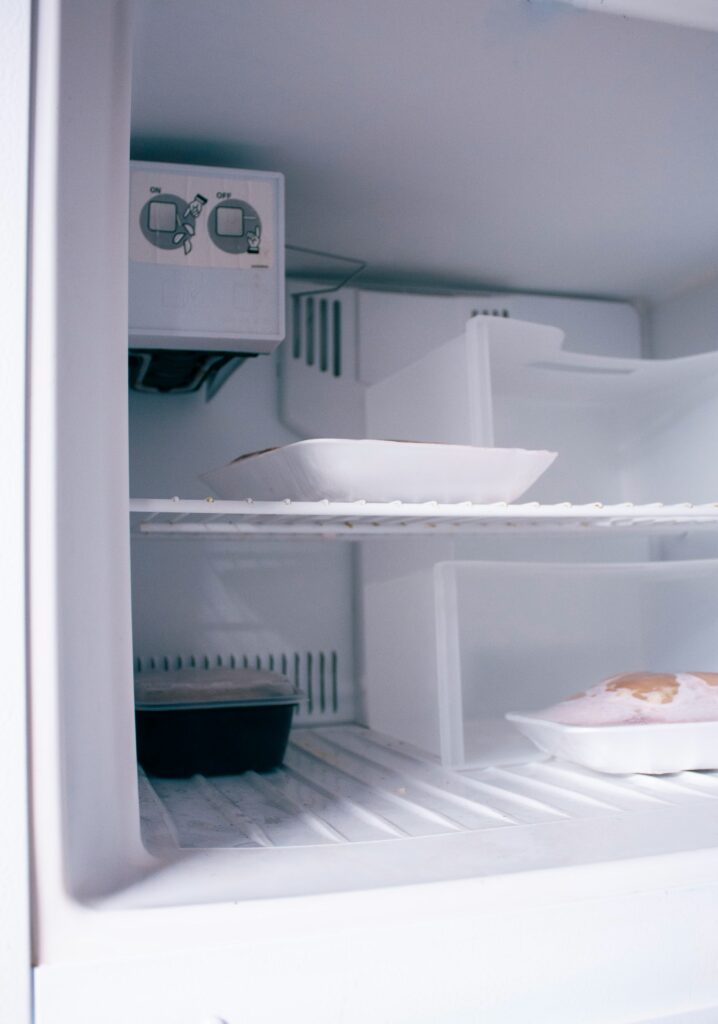
Freezing is one of the most common and convenient ways to preserve poultry, especially for Australian households with access to reliable electricity. It retains the meat’s texture and flavour while preventing bacterial growth.
How It Works:
Freezing poultry slows down bacterial and enzymatic activity, keeping the meat safe for extended periods. The ideal temperature for freezing poultry is -18°C or lower.
Best Practices for Freezing Poultry:
- Use airtight packaging: Vacuum-sealing or wrapping meat tightly in freezer-safe plastic wrap or butcher paper prevents freezer burn.
- Label and date your meat: Clearly mark packages with the freezing date to ensure you use the oldest meat first.
- Consider portioning: Cutting whole poultry into portions before freezing allows for easier defrosting and meal planning.
Storage Duration:
- Whole chicken: 12 months
- Chicken pieces: 9 months
- Giblets: 3 months
Estimated Costs:
- Vacuum sealer: $80 – $300 (optional but useful for long-term storage)
- Freezer bags/wrap: $5 – $15 per roll
- Electricity costs: Approximately $50 – $100 per year for a standard freezer, depending on energy rates.
Equipment Needed:
- Freezer (-18°C or lower)
- Vacuum sealer (optional)
- Freezer-safe bags or butcher paper
2. Curing Poultry (Salt Preservation)
Curing poultry using salt is a time-tested method that has been used for centuries, especially in regions with limited access to refrigeration. It works by drawing moisture out of the meat, inhibiting bacterial growth.
How It Works:
Curing relies on salt and sometimes sugar to preserve the poultry. The process can be done in two ways:
- Dry curing: Poultry is coated in salt and stored in a cool, dry place.
- Wet curing (brining): Poultry is submerged in a saltwater solution for a period before drying and storage.
Best Practices for Curing Poultry:
- Use coarse sea salt or rock salt for best results.
- Keep cured meat in a cool, dark place (ideal temperatures: 5°C – 15°C).
- For brining, use non-reactive containers (stainless steel or food-grade plastic).
- Allow enough curing time for full penetration of the salt (varies depending on poultry size).
Storage Duration:
- Dry-cured poultry: 3 – 6 months
- Wet-cured poultry (if smoked or dried afterward): up to 1 year
Estimated Costs:
- Salt: $5 – $15 per 5kg
- Food-grade storage container: $20 – $50
- Hooks or drying racks: $20 – $100 (if air-drying)
Equipment Needed:
- Coarse salt
- Airtight containers (for dry curing)
- Large non-reactive tubs (for brining)
- Hanging hooks or drying racks (optional for air-drying)
3. Smoking Poultry
Smoking is both a preservation method and a way to enhance flavour. This method is particularly useful for long-term storage without refrigeration when combined with curing.
How It Works:
Smoking poultry involves exposing the meat to controlled heat and smoke from burning wood, which inhibits bacterial growth and adds a distinct flavour. Smoking can be done using:
- Cold smoking (below 30°C): Used in conjunction with curing to preserve meat for months.
- Hot smoking (above 65°C): Cooks and preserves the meat simultaneously but requires refrigeration for long-term storage.
Best Practices for Smoking Poultry:
- Choose hardwoods like ironbark, red gum, or fruitwood (avoid softwoods like pine, which release harmful resins).
- Maintain consistent smoke levels and temperatures.
- Allow smoked poultry to rest before storage to enhance flavour.
Storage Duration:
- Cold-smoked poultry (properly cured): 6 – 12 months
- Hot-smoked poultry: 1 – 2 weeks refrigerated, 3 months frozen
Estimated Costs:
- Small smoker: $150 – $400
- Wood chips: $10 – $30 per bag
- Additional salt (if curing beforehand): $5 – $15
Equipment Needed:
- Smoker (electric, gas, or wood-burning)
- Curing ingredients (if applicable)
- Wood chips (ironbark, red gum, applewood, etc.)
4. Canning Poultry: A Shelf-Stable Option for Long-Term Storage
For those looking to store poultry without relying on refrigeration or freezing, canning is an excellent option. It allows you to keep poultry shelf-stable for months or even years, making it ideal for off-grid homesteads or emergency food reserves.
How Canning Works
Canning involves sealing poultry in sterilized jars and processing them under high heat and pressure to kill bacteria and prevent spoilage. Poultry is low in acidity, so it must be pressure canned rather than water-bath canned to ensure food safety.
What You’ll Need
- Pressure canner (not just a pressure cooker!)
- Sterilised mason jars with new lids
- Canning funnel and jar lifter
- Boneless poultry (pre-cooked or raw, depending on the method)
- Optional seasonings (salt, broth, herbs)
Two Main Methods of Canning Poultry
- Raw Pack – Poultry is placed in jars raw, and its natural juices release during processing. This method produces tender, flavourful meat.
- Hot Pack – Poultry is pre-cooked (boiled, roasted, or sautéed), then packed into jars with broth or its own juices before processing. This results in firmer meat.
Processing Times
| Poultry Type | Jar Size | Pressure (kPa) | Processing Time |
| Chicken / Duck / Turkey | 500ml | 69 kPa (10 psi) | 75 mins |
| Chicken / Duck / Turkey | 1L (1,000ml) | 69 kPa (10 psi) | 90 mins |
For higher altitudes (over 300m), pressure should be increased slightly to ensure safety.
Why Choose Canning?
- Shelf-stable for up to 2+ years
- Doesn’t require electricity (ideal for off-grid living)
- Easy meal prep – canned poultry can be added to stews, soups, or eaten straight from the jar
While canning takes more initial effort, it’s one of the most sustainable and cost-effective ways to preserve poultry, particularly for those in remote areas where freezer space is limited.
Additional Equipment & Materials: What You’ll Need to Get Started
While many preservation techniques can be done with everyday items, certain tools will make the process smoother, safer, and more effective. Here’s a breakdown by method:
Freezing
- Vacuum sealer (recommended for long-term quality and space efficiency)
- Freezer-safe bags/containers
- Reliable chest or upright freezer (many Australian households in rural areas use solar-powered freezers with battery banks)
Curing
- Digital kitchen scale (for precise salt and nitrate measurements)
- Food-safe curing salts (e.g. pink salt #1)
- Containers for dry/brine cure – non-reactive (plastic or glass)
- Cool, dry place for air-curing if going beyond refrigeration
Smoking
- Smoker (can be store-bought or homemade from a converted drum)
- Hardwood chips – Australian hardwoods like ironbark, red gum, and applewood are great options
- Thermometer to monitor internal meat temperature (essential for safety)
Confit or Oil Preservation
- Deep saucepan or slow cooker
- Glass jars for storage
- Rendered poultry fat (or alternative oils)
Dehydration
- Food dehydrator or low-temperature oven
- Airtight storage containers
- Vacuum sealer for extended shelf life
Most of these items are affordable and widely available in rural supply stores, hardware shops, or second-hand marketplaces across Australia. If you’re setting up a homestead, sourcing gear over time is often more sustainable and manageable than buying everything at once.
Preservation by Cut: Tailoring the Method to the Meat
| Cut | Best Preservation Methods | Notes |
| Whole bird | Freezing, smoking | Smoking whole birds requires longer cooking times and temperature monitoring. |
| Breast fillets | Freezing, curing, confit | Lean meat – great for brining or vacuum freezing. |
| Thighs and drumsticks | Smoking, confit | Fat content makes these cuts ideal for flavourful preservation. |
| Wings | Smoking, freezing | Smaller and less forgiving – better for short-term freezing. |
| Offal (heart, liver, gizzard) | Freezing, pâté, quick pickling | Offal spoils faster, so preserve quickly and use within weeks. |
| Carcass/bones | Freezing, dehydrating for stock | Great for broth or long-term stockpiling. |
Preservation by Species: Not All Poultry Are the Same
While chicken is the most commonly raised bird in Australian backyards, others like duck, turkey, quail, and goose are gaining popularity in self-sufficient systems. Each species comes with different fat levels, muscle density, and flavour profiles, which can affect how you preserve them.
Chicken
- Versatile – responds well to all methods
- Mild flavour makes it easy to cure or smoke with added aromatics
Duck
- High fat content – ideal for confit or smoking
- Popular in regional Victoria and Tasmania for small-scale setups
Turkey
- Larger birds – more suited to portioning before freezing
- Lean breast meat can dry out in smoking if not handled carefully
Quail
- Small size – best consumed fresh, but can be smoked whole
- Vacuum freezing in small batches works well
Goose
- Fat-rich – excellent for curing, confit, or rendering fat for use in other dishes
- Less common but well-suited to colder areas like southern NSW or the Adelaide Hills
Understanding these differences can help guide what birds to raise based on your climate and what preservation methods you’re most comfortable using.
Storage Life: How Long Will It Last?
Your preservation method directly impacts how long poultry remains safe and delicious – and equally, how well you preserve your poultry and at what point after it’s been processed will influence how long it lasts. The below are rough guidelines so you should always take your specific circumstances into consideration.
| Method | Typical Storage Life (at correct conditions) |
| Freezing (vacuum sealed) | 6–12 months |
| Freezing (standard) | 3–6 months |
| Smoking (refrigerated) | 7–14 days |
| Smoking (vacuum sealed) | Up to 2 months |
| Curing (refrigerated) | 2–4 weeks |
| Curing (air-dried and sealed) | Up to 3 months |
| Confit (refrigerated) | Up to 3 months |
| Dehydrated (vacuum sealed, cool/dark) | 6–12 months |
Always label and date your preserved poultry so you can track freshness and safety. When in doubt, refer to texture, smell, and appearance and don’t take risks with questionable meat.
Making the Right Choice for You
Preserving poultry is less about picking the “best” method and more about choosing what works for your lifestyle, climate, and energy setup. A family living off-grid in regional WA might rely more on curing and dehydrating, while a suburban homesteader in Ballarat may prefer freezing and occasional smoking.
If you’re just starting out, freezing is the easiest and most forgiving. As you build confidence and experience, try introducing new techniques like brining or smoking. You’ll quickly find what suits your rhythm, your birds, and your meals.
Preservation is also part of your self-sufficiency resilience strategy. The ability to store food gives you control over supply, waste, and budgeting and it’s satisfying to know you’ve created something from scratch, start to finish.
Final Thoughts: Build Skills, Not Just Storage
Preserving poultry is a skill as much as it is a process. It’s not just about food longevity — it’s about flavour, efficiency, and reducing waste. Whether you’re prepping for the future, using up a surplus of roosters, or experimenting with old-school preservation methods, you’re building autonomy one jar, bag, or smoke session at a time.